
Understanding HDPE Sheet Extruders: Innovations and Benefits in Plastic Processing
2025-08
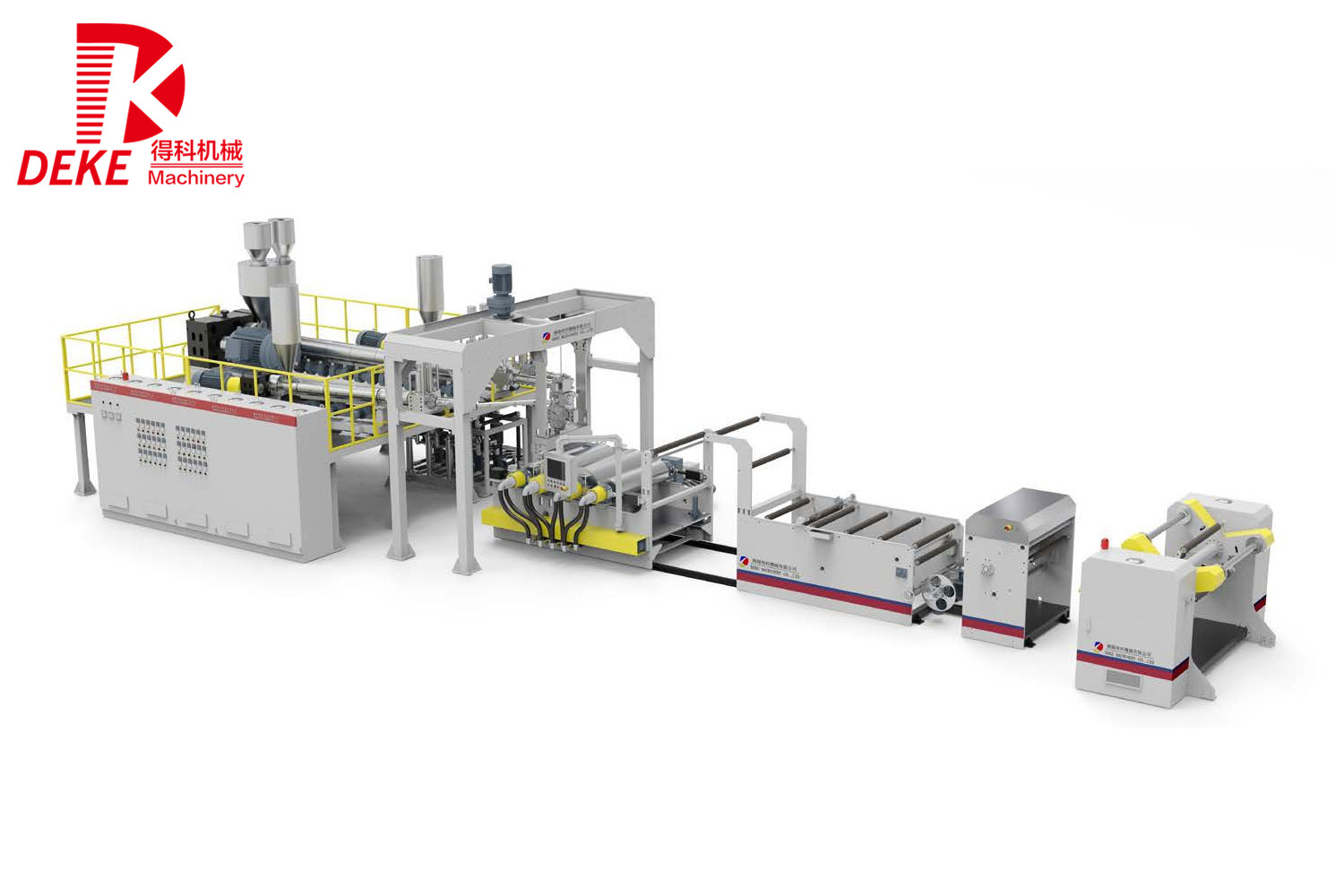
In the realm of plastic processing machinery, HDPE sheet extruders play a crucial role in the production of high-density polyethylene (HDPE) sheets. These sheets are widely utilized across various industries due to their durability, chemical resistance, and versatility. Understanding the intricacies of HDPE sheet extruders can greatly enhance production efficiency and product quality.
HDPE sheet extruders operate on the principle of converting raw plastic pellets into finished sheets through a process known as extrusion. The process begins with the feeding of HDPE granules into the extruder’s hopper. These granules are then heated and melted in a barrel equipped with a screw. This screw not only melts the plastic but also ensures uniform mixing, which is vital for maintaining consistent sheet quality.
Once the material is adequately melted, it is forced through a die that shapes the molten HDPE into a flat sheet. The die design is critical, as it determines the thickness and width of the final product. After exiting the die, the molten sheet is cooled and solidified, often passed through a series of rollers which helps to achieve the desired thickness and surface finish.
The ability to produce HDPE sheets in varying thicknesses, widths, and colors makes HDPE sheet extruders an attractive option for manufacturers. They can cater to a diverse range of applications, from industrial packaging and construction materials to automotive components and consumer products. Furthermore, the adaptability of the extrusion process allows for the incorporation of additives that enhance specific properties, such as UV resistance or impact strength.
One of the significant advantages of using HDPE sheet extruders is their efficiency. These machines are designed to operate continuously, which maximizes output while minimizing waste. The precise control over temperature and pressure during the extrusion process leads to improved product consistency, reducing the likelihood of defects. Additionally, modern HDPE sheet extruders often come equipped with advanced automation and monitoring systems, enabling manufacturers to streamline operations and maintain high-quality standards.
Moreover, investing in HDPE sheet extruders can lead to cost savings in the long run. By producing high-quality sheets in-house, manufacturers can reduce their reliance on external suppliers, resulting in lower material costs and shorter lead times. This capability not only enhances supply chain efficiency but also allows for greater flexibility in responding to market demands.
In summary, HDPE sheet extruders are an integral part of the plastic processing industry, offering numerous benefits such as efficiency, versatility, and cost-effectiveness. By understanding the technology and its applications, manufacturers can leverage HDPE sheet extruders to enhance their production processes and stay competitive in an ever-evolving market. Embracing these innovations can lead to significant advancements in product quality and operational efficiency, positioning businesses for success in the dynamic landscape of plastic manufacturing.
Previous Page:
RELATED INFORMATION

Why Choose Conical Twin Screw for Your Next Extrusion Project?
Why Choose Conical Twin Screw for Your Next Extrusion Project? Understanding Extrusion Technology In the realm of **plastic processing**, extrusion is an essential manufacturing technique that transforms raw plastic materials into usable products. The **extrusion process** involves forcing molten plastic through a die to create continuous shapes like sheets, films, and profiles. With advancements
Understanding the Advantages of Counter Rotating Twin Screw Extruders for Plastic Processing
Counter rotating twin screw extruders are pivotal in the plastic processing industry, recognized for their versatility and efficiency. Unlike single screw extruders, twin screw extruders feature two intermeshing screws that rotate in opposite directions. This design allows for enhanced material handling and processing capabilities, making them suitable for a wide array of applications. One of the

Website

Copyright©Jieyang Deke Machinery Co., Ltd.