
Understanding the Process: How HIPS Sheet Extruders Work
2025-08
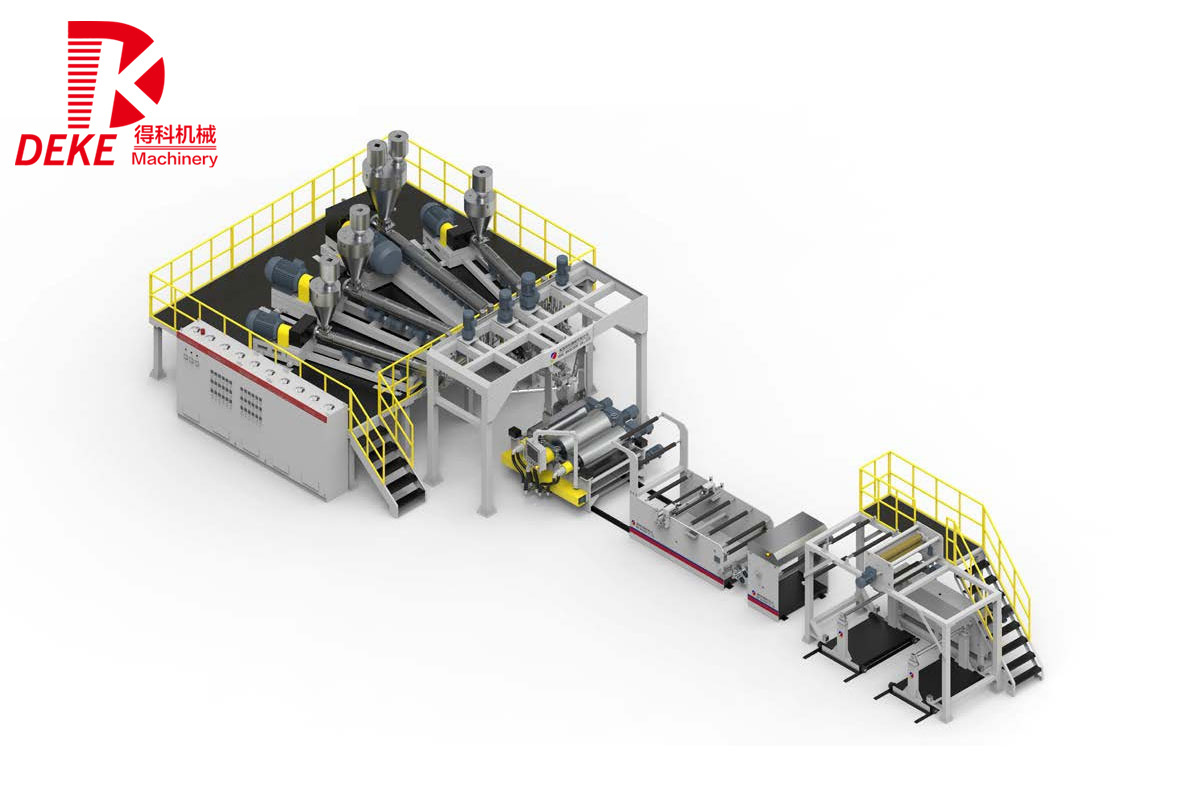
Understanding the Process: How HIPS Sheet Extruders Work
Table of Contents
- Introduction to HIPS Sheet Extruders
- What is HIPS and Its Significance in Plastic Manufacturing?
- An Overview of the Extrusion Process
- Key Components of HIPS Sheet Extruders
- How HIPS Sheet Extruders Work
- Applications of HIPS Sheets in Various Industries
- Advantages of Using HIPS Sheet Extruders
- The Future of HIPS Sheet Extrusion Technology
- Frequently Asked Questions (FAQs)
- Conclusion
Introduction to HIPS Sheet Extruders
In the world of plastic manufacturing, HIPS (High-Impact Polystyrene) sheet extruders play a pivotal role. This advanced technology enables the production of high-quality sheets used in a variety of applications, from packaging to consumer goods. Understanding the mechanics of HIPS sheet extruders allows manufacturers to optimize their production processes and improve product quality.
What is HIPS and Its Significance in Plastic Manufacturing?
HIPS is a type of plastic that combines the rigidity of polystyrene with the impact resistance of rubber. This unique combination provides a material that is not only tough and durable but also easy to process. HIPS sheets are lightweight, possess excellent dimensional stability, and can be easily thermoformed, making them ideal for various applications.
**Key characteristics of HIPS include**:
- **Versatility**: HIPS can be used in a wide range of products, including food packaging, appliances, and toys.
- **Cost-Effectiveness**: This material offers a lower cost alternative to other engineering plastics.
- **Recyclability**: HIPS can be recycled, aligning with the growing demand for sustainable materials in manufacturing.
An Overview of the Extrusion Process
The extrusion process is crucial in producing HIPS sheets. It involves melting raw plastic pellets and forcing them through a die to create continuous sheets. The process is efficient, allowing for high-volume production while maintaining uniformity in thickness and quality.
**Basic Steps in the Extrusion Process**:
1. **Feeding**: Raw HIPS pellets are fed into the extruder's hopper.
2. **Melting**: As the pellets move through the extruder, they are heated and melted by a combination of friction and external heating elements.
3. **Forming**: The molten plastic is forced through a die, shaping it into a continuous sheet.
4. **Cooling**: The sheet is cooled to maintain its shape and properties before being cut to the desired length.
Key Components of HIPS Sheet Extruders
For effective operation, HIPS sheet extruders consist of several essential components. Understanding these parts helps in troubleshooting and optimizing the extrusion process.
1. The Hopper
The hopper is where raw HIPS pellets are loaded into the extruder. It must be properly designed to ensure a steady and controlled flow of material into the extruder, preventing any blockages.
2. The Barrel
The barrel houses the screw and is where the material is melted. It is equipped with heating elements to maintain the required temperature for melting HIPS.
3. The Screw
The screw is a crucial component that transports, mixes, and melts the HIPS pellets. Its design can significantly affect the efficiency of the extrusion process.
4. The Die
The die shapes the molten HIPS into the desired sheet thickness and width. The design of the die is critical, as it directly influences the quality of the final product.
5. Cooling System
Once the HIPS sheet exits the die, it must be cooled rapidly to set its shape. Cooling systems may utilize water or air to achieve the desired temperature quickly.
How HIPS Sheet Extruders Work
The operation of HIPS sheet extruders is a well-coordinated process involving multiple steps and components. Once the HIPS pellets enter the hopper, they are gravity-fed into the barrel, where the screw begins to rotate.
As the screw rotates, it creates both axial and radial movement, pushing the material forward while mixing it thoroughly. The temperature within the barrel is meticulously controlled to ensure the pellets transition from solid to molten form without degradation.
Once the HIPS reaches the melting point, it flows toward the die. The die's design determines the final sheet's shape and thickness. After exiting the die, the sheet is subjected to a cooling process, which solidifies it into its final form.
To ensure high-quality output, manufacturers often incorporate quality control measures throughout the extrusion process, including monitoring temperature, pressure, and sheet dimensions.
Applications of HIPS Sheets in Various Industries
HIPS sheets are utilized across numerous industries due to their versatile properties. Some of the most common applications include:
1. Packaging
HIPS sheets are widely used in the packaging industry for food containers, blister packs, and protective packaging. Their lightweight nature and durability make them ideal for these applications.
2. Consumer Products
From toys to electronics, HIPS sheets are used to manufacture various consumer goods. Their ability to be easily molded and colored allows for creative designs and branding.
3. Automotive Parts
The automotive industry employs HIPS sheets for components such as dashboards and interior trims. Their impact resistance and aesthetic appeal make them suitable for these applications.
4. Signage and Displays
Businesses use HIPS sheets for signage and displays due to their excellent printability and durability. They can be easily cut and shaped to fit specific requirements.
5. Medical Applications
In the medical field, HIPS sheets are used for packaging medical devices and supplies, ensuring safety and sterility while being cost-effective.
Advantages of Using HIPS Sheet Extruders
Utilizing HIPS sheet extruders offers a range of benefits for manufacturers in the plastic processing industry:
1. High Efficiency
HIPS sheet extruders are designed for high-volume production, allowing manufacturers to meet demand quickly without compromising quality.
2. Cost-Effective Production
The efficiency of the extrusion process reduces waste and energy consumption, leading to lower production costs.
3. Customization
Manufacturers can easily adjust the extrusion parameters, such as temperature and screw speed, to produce sheets with specific properties tailored to their needs.
4. Improved Product Quality
The control over the extrusion process enables producers to achieve consistent sheet thickness and quality, enhancing the overall product.
5. Eco-Friendly Options
With advancements in recycling technologies, manufacturers can now produce HIPS sheets using recycled materials, contributing to environmental sustainability.
The Future of HIPS Sheet Extrusion Technology
As the demand for sustainable materials and efficient manufacturing processes grows, the technology surrounding HIPS sheet extrusion is rapidly evolving. Innovations such as enhanced recycling techniques and biodegradable alternatives are being explored to meet market demands.
Furthermore, automation and advanced monitoring systems are being integrated into the extrusion process, allowing for real-time adjustments and improved efficiency. As these technologies continue to develop, we can expect even greater advancements in HIPS sheet manufacturing.
Frequently Asked Questions (FAQs)
1. What is the difference between HIPS and other types of plastics?
HIPS combines the rigidity of polystyrene with impact resistance, making it distinct from other plastics that may lack these properties.
2. How are HIPS sheets manufactured?
HIPS sheets are manufactured using an extrusion process where raw pellets are melted and formed into sheets through a die.
3. What industries commonly use HIPS sheets?
HIPS sheets are used in packaging, consumer products, automotive parts, signage, and medical applications.
4. Can HIPS sheets be recycled?
Yes, HIPS sheets can be recycled, making them an environmentally friendly choice in many applications.
5. What are the key advantages of using HIPS sheet extruders?
Advantages include high efficiency, cost-effective production, customization options, improved product quality, and eco-friendly alternatives.
Conclusion
Understanding the intricacies of HIPS sheet extruders is vital for anyone involved in plastic manufacturing. From the extrusion process to the diverse applications of HIPS sheets, this material offers numerous benefits that cater to various industries. As technology continues to advance, the future of HIPS sheet extrusion promises to bring about even greater efficiency and sustainability. Manufacturers must stay informed about these developments to harness the full potential of HIPS in their production processes.
RELATED INFORMATION

Why Choose Conical Twin Screw for Your Next Extrusion Project?
Why Choose Conical Twin Screw for Your Next Extrusion Project? Understanding Extrusion Technology In the realm of **plastic processing**, extrusion is an essential manufacturing technique that transforms raw plastic materials into usable products. The **extrusion process** involves forcing molten plastic through a die to create continuous shapes like sheets, films, and profiles. With advancements
Understanding the Advantages of Counter Rotating Twin Screw Extruders for Plastic Processing
Counter rotating twin screw extruders are pivotal in the plastic processing industry, recognized for their versatility and efficiency. Unlike single screw extruders, twin screw extruders feature two intermeshing screws that rotate in opposite directions. This design allows for enhanced material handling and processing capabilities, making them suitable for a wide array of applications. One of the

Website

Copyright©Jieyang Deke Machinery Co., Ltd.