
The Future of Plastic Processing: Innovations in HDPE Sheet Extrusion
2025-08
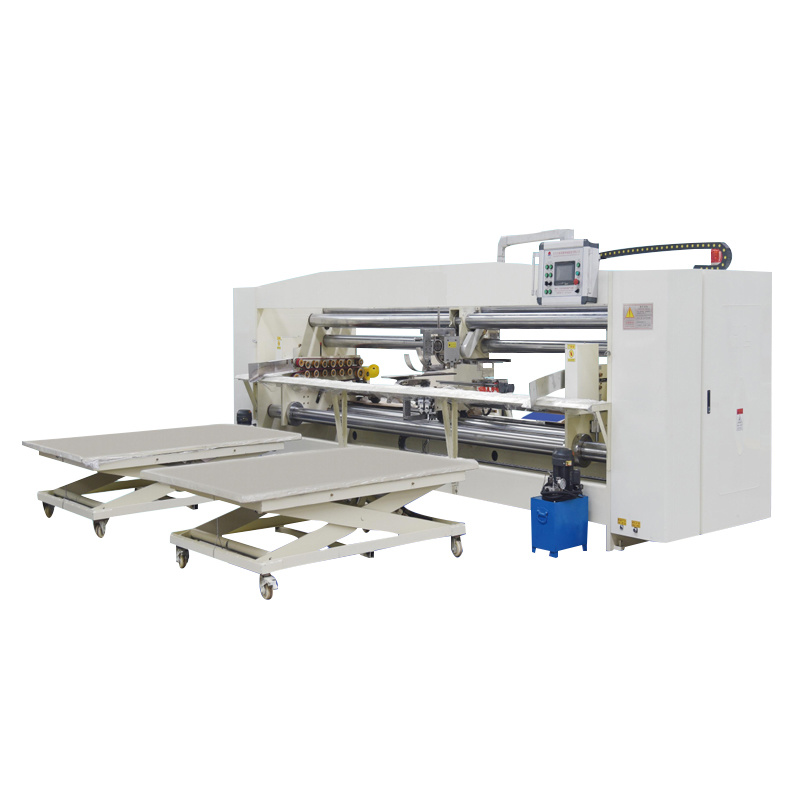
The Future of Plastic Processing: Innovations in HDPE Sheet Extrusion
Table of Contents
- 1. Introduction to HDPE Sheet Extrusion
- 2. The Importance of HDPE in Modern Manufacturing
- 3. Key Innovations in HDPE Sheet Extrusion
- 3.1 Advanced Technologies Driving Change
- 3.2 Sustainable Practices in Production
- 3.3 Automation and Efficiency Improvements
- 4. Market Trends in HDPE Sheet Processing
- 5. Applications of HDPE Sheets Across Industries
- 6. The Future Outlook of HDPE Sheet Extrusion
- 7. Challenges Facing the HDPE Industry
- 8. Conclusion
- 9. FAQs about HDPE Sheet Extrusion
1. Introduction to HDPE Sheet Extrusion
High-Density Polyethylene (HDPE) sheet extrusion is an essential process in the plastic manufacturing sector. This innovative method involves melting plastic pellets and forming them into sheets, offering a variety of applications across industries. As the demand for HDPE products continues to rise, the industry witnesses rapid advancements in technology and processes aimed at enhancing efficiency, sustainability, and product quality.
2. The Importance of HDPE in Modern Manufacturing
HDPE is known for its remarkable durability, chemical resistance, and versatility. Its lightweight nature and ease of fabrication make it a preferred choice for manufacturers and consumers alike. Industries ranging from construction to packaging utilize HDPE sheets to create products such as containers, tanks, and even components for electronic devices. Understanding the significance of HDPE in modern manufacturing sheds light on the pressing need for innovations in its processing techniques.
3. Key Innovations in HDPE Sheet Extrusion
The landscape of HDPE sheet extrusion is evolving due to various innovations that enhance production efficiency and sustainability. The following subsections delve deeper into these advancements.
3.1 Advanced Technologies Driving Change
Recent technological advancements have revolutionized the HDPE sheet extrusion process. The integration of **smart sensors** and **IoT technologies** enables real-time monitoring of production parameters, ensuring optimal conditions for extrusion. This not only improves product quality but also minimizes waste and energy consumption. Furthermore, the introduction of **3D printing** in prototyping and manufacturing allows for more complex designs and faster turnaround times.
3.2 Sustainable Practices in Production
Sustainability is a critical concern in the plastic processing industry. Innovations in HDPE sheet extrusion now focus on reducing environmental impact. Manufacturers are adopting **recycling practices** by using post-consumer recycled HDPE in production. Additionally, the use of **biodegradable additives** is being explored to enhance the eco-friendliness of HDPE products. Companies are also investing in **energy-efficient machinery** to lower carbon footprints during production processes.
3.3 Automation and Efficiency Improvements
Automation plays a pivotal role in the future of HDPE sheet extrusion. Advanced machinery equipped with AI-driven controls streamlines the production process, reducing labor costs and human error. Automated systems for quality control ensure that each sheet meets stringent specifications, which is crucial for industries demanding high-quality products.
4. Market Trends in HDPE Sheet Processing
The HDPE sheet market is witnessing significant trends that shape its growth trajectory. Increased demand for lightweight and durable materials across various sectors, coupled with a surge in environmental consciousness among consumers, drives market growth. The construction industry, in particular, has seen a rise in HDPE applications for geotechnical and environmental solutions. As manufacturers innovate to meet these demands, the market is expected to expand further.
5. Applications of HDPE Sheets Across Industries
HDPE sheets are ubiquitous in many sectors due to their versatility. Some notable applications include:
- **Construction**: Used for wall panels, roofing, and drainage systems.
- **Packaging**: Widely utilized in containers, bottles, and bags due to their strength and moisture resistance.
- **Agriculture**: Employed in greenhouse coverings and soil stabilization.
- **Marine**: Ideal for boat components and docks, thanks to their resistance to water and chemicals.
These applications highlight the importance of continuous innovation in HDPE sheet extrusion to meet diverse industrial needs.
6. The Future Outlook of HDPE Sheet Extrusion
Looking ahead, the future of HDPE sheet extrusion appears promising. With ongoing research and development efforts, we anticipate further breakthroughs in material science, such as the creation of **multi-layered sheets** that combine various properties for enhanced performance. The focus on **circular economy** principles will also guide the industry towards more sustainable practices, with an emphasis on recycling and reducing waste.
Moreover, as global regulations increasingly favor eco-friendly products, companies investing in sustainable practices will likely gain a competitive edge. The future will see HDPE sheet extrusion at the forefront of innovation, driving new products and applications that meet consumer demands.
7. Challenges Facing the HDPE Industry
Despite the innovations, the HDPE sheet extrusion industry faces several challenges. Fluctuations in raw material prices can impact production costs significantly. Additionally, adapting to stringent environmental regulations requires companies to invest in new technologies and processes, which can be financially burdensome, especially for small to medium enterprises. Moreover, the recycling of HDPE materials remains a challenge, as not all products are accepted in recycling streams.
To overcome these hurdles, manufacturers must collaborate with policymakers, invest in research, and embrace innovation to stay relevant in a competitive market.
8. Conclusion
The future of plastic processing, particularly in HDPE sheet extrusion, is marked by innovation and sustainability. As technology continues to advance, manufacturers are better equipped to produce high-quality, eco-friendly products that meet the evolving needs of various industries. By embracing automation, recycling, and cutting-edge technologies, the HDPE sheet industry is poised for growth, setting the stage for a sustainable and prosperous future.
9. FAQs about HDPE Sheet Extrusion
**Q1: What is HDPE sheet extrusion?**
A1: HDPE sheet extrusion is a manufacturing process that involves melting high-density polyethylene and forming it into sheets for various applications.
**Q2: What are the benefits of HDPE sheets?**
A2: HDPE sheets are durable, resistant to chemicals, lightweight, and versatile, making them suitable for a wide range of applications.
**Q3: How is sustainability being integrated into HDPE processing?**
A3: Sustainability is incorporated through recycling post-consumer materials, using energy-efficient machinery, and developing biodegradable additives.
**Q4: What industries utilize HDPE sheets?**
A4: HDPE sheets are used in construction, packaging, agriculture, marine, and many other industries due to their versatility.
**Q5: What challenges does the HDPE industry face?**
A5: The industry faces challenges such as fluctuating raw material prices, stringent environmental regulations, and difficulties in recycling.
In summary, the innovations in HDPE sheet extrusion signal a transformative era in plastic processing, combining efficiency with sustainability to meet the needs of the future.
RELATED INFORMATION

Why Choose Conical Twin Screw for Your Next Extrusion Project?
Why Choose Conical Twin Screw for Your Next Extrusion Project? Understanding Extrusion Technology In the realm of **plastic processing**, extrusion is an essential manufacturing technique that transforms raw plastic materials into usable products. The **extrusion process** involves forcing molten plastic through a die to create continuous shapes like sheets, films, and profiles. With advancements
Understanding the Advantages of Counter Rotating Twin Screw Extruders for Plastic Processing
Counter rotating twin screw extruders are pivotal in the plastic processing industry, recognized for their versatility and efficiency. Unlike single screw extruders, twin screw extruders feature two intermeshing screws that rotate in opposite directions. This design allows for enhanced material handling and processing capabilities, making them suitable for a wide array of applications. One of the

Website

Copyright©Jieyang Deke Machinery Co., Ltd.