
Understanding HDPE Sheet Extruders: Key Considerations for Efficient Production
2025-08
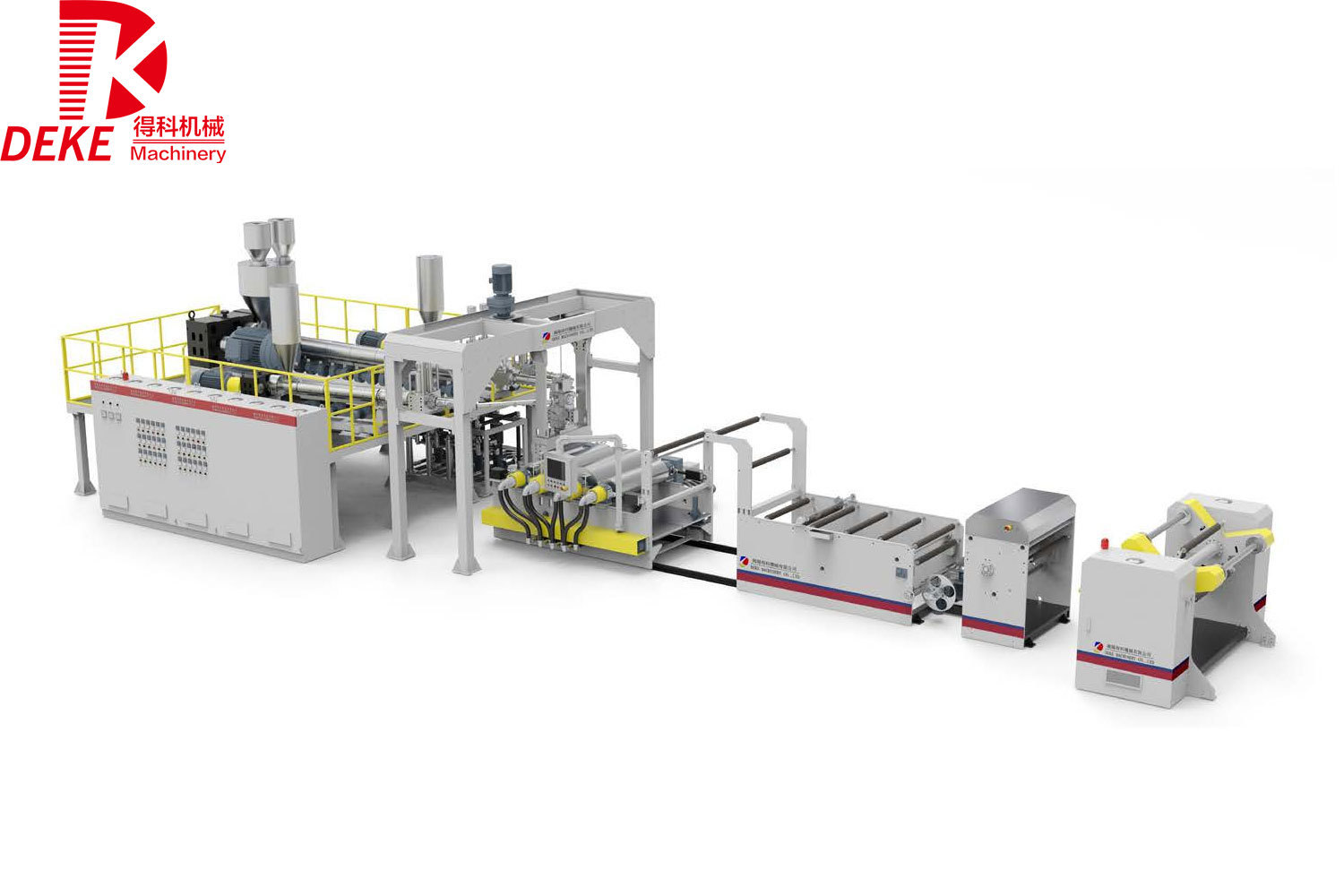
The extrusion process begins with the feeding of HDPE pellets into the extruder's hopper, where they are transported through a heated barrel. As the pellets move along the barrel, they are subjected to increasing temperatures, melting them into a viscous molten state. The design of the extruder screw plays a crucial role at this stage, as it not only helps convey the material but also ensures consistent mixing and melting. A properly designed screw can greatly enhance the efficiency of the extrusion process, resulting in a uniform product.
One of the key advantages of using HDPE sheet extruders is their ability to produce sheets with varying thicknesses and widths, catering to specific market demands. This versatility is particularly beneficial for manufacturers who need to adapt to changing customer requirements or industry standards. Furthermore, HDPE sheets are known for their excellent chemical resistance, making them suitable for applications in industries such as construction, packaging, and agriculture.
To optimize the extrusion process, several factors must be considered. Firstly, it is essential to monitor the temperature profile throughout the extruder to ensure that the material is heated uniformly. Inconsistent temperatures can lead to defects in the final product, such as weak spots or bubbles. Additionally, the cooling system used after extrusion is critical in determining the final properties of the HDPE sheet. Efficient cooling can help maintain the desired thickness and shape, while also enhancing the sheet's mechanical properties.
Another important factor is the selection of additives and colorants, which can enhance the performance and aesthetics of the HDPE sheets. However, it is vital to choose compatible additives that won’t adversely affect the extrusion process or the final product’s quality.
In conclusion, understanding the intricacies of HDPE sheet extruders is essential for professionals in the plastic processing machinery industry. By focusing on the design and operation of these extruders, manufacturers can significantly improve production efficiency and product quality. Continuous advancements in extrusion technology and materials science will likely drive further innovation, offering exciting opportunities for growth in this sector.
RELATED INFORMATION

Why Choose Conical Twin Screw for Your Next Extrusion Project?
Why Choose Conical Twin Screw for Your Next Extrusion Project? Understanding Extrusion Technology In the realm of **plastic processing**, extrusion is an essential manufacturing technique that transforms raw plastic materials into usable products. The **extrusion process** involves forcing molten plastic through a die to create continuous shapes like sheets, films, and profiles. With advancements
Understanding the Advantages of Counter Rotating Twin Screw Extruders for Plastic Processing
Counter rotating twin screw extruders are pivotal in the plastic processing industry, recognized for their versatility and efficiency. Unlike single screw extruders, twin screw extruders feature two intermeshing screws that rotate in opposite directions. This design allows for enhanced material handling and processing capabilities, making them suitable for a wide array of applications. One of the

Website

Copyright©Jieyang Deke Machinery Co., Ltd.