
The Future of Plastic Processing: Innovations in HIPS Sheet Extrusion
2025-08
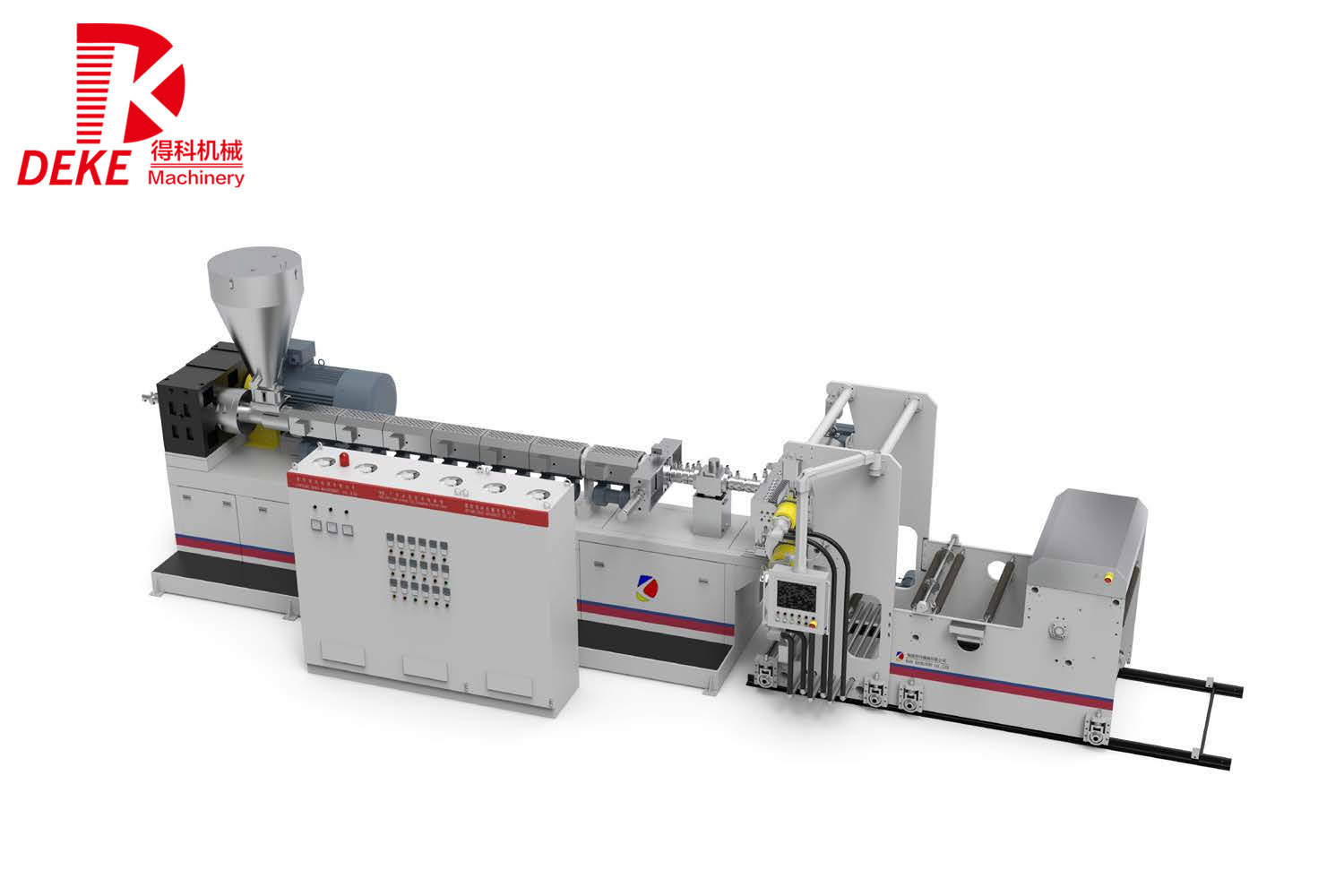
The Future of Plastic Processing: Innovations in HIPS Sheet Extrusion
Table of Contents
1. Introduction to HIPS Sheet Extrusion
2. Understanding High-Impact Polystyrene (HIPS)
3. The Extrusion Process Explained
4. Recent Innovations in HIPS Sheet Extrusion Technology
4.1 Advanced Extruder Designs
4.2 Smart Manufacturing and IoT Integration
4.3 Sustainable Practices in HIPS Processing
5. Applications of HIPS Sheets in Various Industries
6. Challenges Faced in HIPS Sheet Extrusion
7. Future Trends in HIPS Sheet Extrusion
8. Conclusion
9. FAQs
1. Introduction to HIPS Sheet Extrusion
The plastic processing industry has undergone significant transformations over the last few decades. One of the most promising materials gaining traction is High-Impact Polystyrene (HIPS). This versatile polymer is widely used in various applications due to its excellent mechanical properties and ease of processing. In this article, we will explore the future of plastic processing with a specific focus on innovations in HIPS sheet extrusion.
2. Understanding High-Impact Polystyrene (HIPS)
High-Impact Polystyrene is a variant of polystyrene that has been modified to enhance its impact resistance. This modification is typically achieved by incorporating rubber into the polystyrene matrix, providing a balance between rigidity and toughness. HIPS is characterized by its excellent clarity, low cost, and ability to be easily painted or decorated, making it an ideal choice for applications ranging from consumer goods to industrial components.
3. The Extrusion Process Explained
Extrusion is a manufacturing process where material is melted and formed into a continuous profile. In the case of HIPS sheet extrusion, the polystyrene pellets are heated and melted in an extruder barrel. The molten material is then forced through a die to create sheets of varying thickness. This process is continuous, allowing for high-volume production and consistent quality.
4. Recent Innovations in HIPS Sheet Extrusion Technology
The plastic processing industry is continually evolving, and the extrusion of HIPS sheets is no exception. Several innovations are reshaping the landscape, driving efficiency, and enhancing product quality.
4.1 Advanced Extruder Designs
Modern extruders have seen significant advancements in design and functionality. The integration of multi-zone temperature control and improved screw designs ensures uniform melting and mixing of the HIPS material. This leads to better-quality sheets with fewer defects and improved mechanical properties.
4.2 Smart Manufacturing and IoT Integration
The rise of Industry 4.0 has brought about the incorporation of smart technologies in manufacturing processes. Internet of Things (IoT) devices are now enabling real-time monitoring and control of the extrusion process. This integration allows manufacturers to gather valuable data, optimize production parameters, and reduce waste, ultimately leading to more sustainable operations.
4.3 Sustainable Practices in HIPS Processing
As environmental concerns continue to rise, the plastic industry is increasingly focusing on sustainable practices. Innovations such as the use of recycled HIPS materials and energy-efficient extruders are gaining popularity. By adopting these practices, manufacturers can reduce their carbon footprint and contribute to a circular economy.
5. Applications of HIPS Sheets in Various Industries
HIPS sheets are utilized in a wide array of industries due to their versatility and beneficial properties. Common applications include:
- **Packaging**: HIPS is widely used for creating packaging solutions, particularly in the food and consumer goods sectors.
- **Automotive**: In the automotive industry, HIPS sheets are employed in the production of interior components, dash panels, and trim.
- **Consumer Electronics**: HIPS is used in the manufacture of casings and housings for electronic devices due to its impact resistance and aesthetic appeal.
6. Challenges Faced in HIPS Sheet Extrusion
Despite the advancements in HIPS sheet extrusion, several challenges persist:
- **Material Quality Control**: Ensuring consistent quality in raw materials is essential for producing high-quality extruded sheets.
- **Cost of Production**: While innovations are aimed at reducing costs, the initial investment in advanced technologies can be significant.
- **Environmental Concerns**: The plastic industry faces scrutiny over its environmental impact, necessitating ongoing improvements in sustainability practices.
7. Future Trends in HIPS Sheet Extrusion
Looking ahead, several trends are poised to shape the future of HIPS sheet extrusion:
- **Increased Automation**: The trend towards automation in manufacturing will continue, enhancing productivity and reducing labor costs.
- **Focus on Bioplastics**: As consumers and regulatory bodies demand more sustainable materials, the development of bioplastics and biodegradable HIPS alternatives may emerge.
- **Enhanced Customization**: Advances in digital manufacturing technologies will allow for greater customization of HIPS sheets, catering to specific customer needs.
8. Conclusion
The future of plastic processing, particularly in HIPS sheet extrusion, is bright with innovations and advancements. As the industry adapts to changing consumer demands and environmental challenges, the integration of advanced technologies and sustainable practices will play a crucial role. By staying informed about these developments, manufacturers can position themselves to thrive in a competitive landscape, ensuring that HIPS remains a vital material for various applications.
9. FAQs
What is High-Impact Polystyrene (HIPS)?
High-Impact Polystyrene (HIPS) is a thermoplastic polymer known for its impact resistance, clarity, and ease of processing. It is commonly used in various applications, including packaging and consumer products.
How does the extrusion process work for HIPS sheets?
During the extrusion process, HIPS pellets are melted in an extruder and forced through a die to form continuous sheets, which can be cut to the desired length and thickness.
What are the applications of HIPS sheets?
HIPS sheets are used in packaging, automotive components, consumer electronics, and many other industries due to their versatility and beneficial properties.
What are the recent innovations in HIPS sheet extrusion?
Recent innovations include advanced extruder designs, IoT integration for smart manufacturing, and the adoption of sustainable practices, such as using recycled materials.
What challenges does the HIPS sheet extrusion industry face?
Challenges include maintaining material quality control, managing production costs, and addressing environmental concerns related to plastic processing.
RELATED INFORMATION

Why Choose Conical Twin Screw for Your Next Extrusion Project?
Why Choose Conical Twin Screw for Your Next Extrusion Project? Understanding Extrusion Technology In the realm of **plastic processing**, extrusion is an essential manufacturing technique that transforms raw plastic materials into usable products. The **extrusion process** involves forcing molten plastic through a die to create continuous shapes like sheets, films, and profiles. With advancements
Understanding the Advantages of Counter Rotating Twin Screw Extruders for Plastic Processing
Counter rotating twin screw extruders are pivotal in the plastic processing industry, recognized for their versatility and efficiency. Unlike single screw extruders, twin screw extruders feature two intermeshing screws that rotate in opposite directions. This design allows for enhanced material handling and processing capabilities, making them suitable for a wide array of applications. One of the

Website

Copyright©Jieyang Deke Machinery Co., Ltd.