
Understanding the Different Configurations of Twin Screw Roller Head Extruders: An In-Depth Guide
2025-08
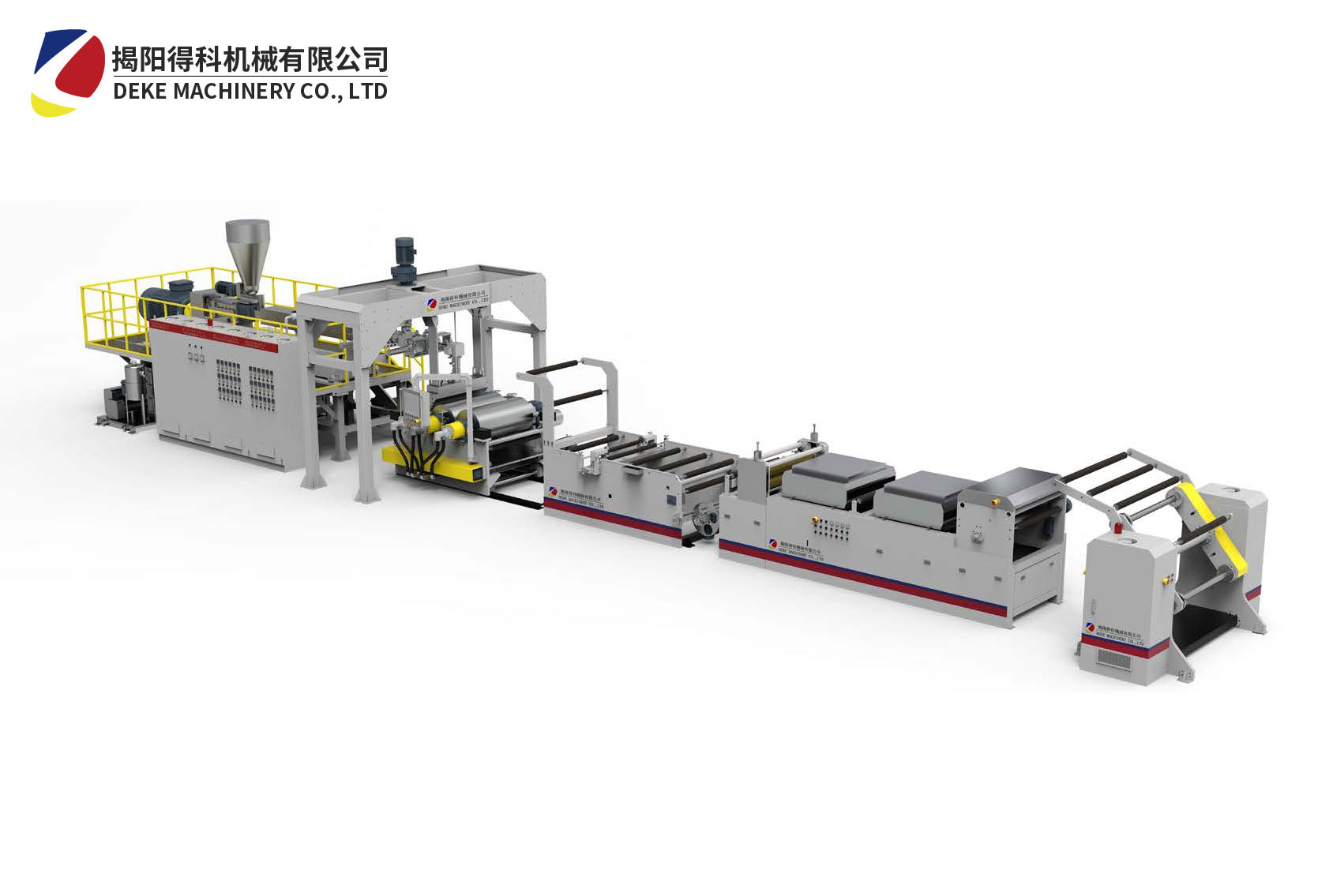
Understanding the Different Configurations of Twin Screw Roller Head Extruders
Introduction to Twin Screw Roller Head Extruders
In the realm of **plastic processing machinery**, twin screw roller head extruders play a pivotal role. These machines are designed to handle a myriad of materials, providing flexibility and efficiency in processing. But what exactly makes these extruders so significant? Understanding their configurations is essential for manufacturers aiming to optimize production and improve product quality.
The Basics of Twin Screw Extruders
Before diving into various configurations, it is crucial to grasp the fundamentals of twin screw extruders. Unlike single screw extruders, twin screw extruders use two intermeshing screws that rotate in the same or opposite directions. This design offers several advantages, including:
- **Enhanced Mixing**: The intermeshing action facilitates superior mixing of materials, which is vital for achieving consistent product quality.
- **Higher Throughput**: Twin screw configurations typically allow for a higher throughput than their single screw counterparts.
- **Versatility**: These extruders can process both thermoplastics and thermosetting materials, making them suitable for a wide range of applications.
Key Configurations of Twin Screw Roller Head Extruders
Understanding the different configurations is crucial for selecting the right extruder for your processes. Here, we will explore the major configurations and their distinct characteristics.
1. Co-rotating Twin Screw Extruders
Co-rotating twin screw extruders feature two screws that rotate in the same direction. This configuration is widely used for its effective mixing capabilities. The benefits include:
- **Improved Material Homogeneity**: The co-rotating screws enhance material distribution, ensuring a uniform mixture.
- **Better Shear Control**: Manufacturers can finely tune shear rates to suit specific material requirements, making it ideal for sensitive polymers.
Applications of Co-rotating Twin Screw Extruders
Co-rotating extruders are commonly used in applications such as:
- Compounding plastics
- Polymer blending
- Additive manufacturing
2. Counter-rotating Twin Screw Extruders
Counter-rotating twin screw extruders have screws that rotate in opposite directions. This configuration is beneficial for specific applications where material transport is paramount.
- **Effective Material Transport**: The counter-rotation allows for efficient material conveyance, making it ideal for processing high-viscosity materials.
- **Reduced Breakage of Sensitive Materials**: This configuration minimizes the risk of material degradation, especially in heat-sensitive polymers.
Applications of Counter-rotating Twin Screw Extruders
Counter-rotating extruders are often used in:
- PVC processing
- Production of masterbatches
- Recycling applications
Choosing Between Co-rotating and Counter-rotating
Selecting the right extruder configuration depends on several factors:
- **Material Characteristics**: Consider the viscosity and heat sensitivity of the materials you plan to process.
- **Desired Output**: Determine the required throughput and quality standards for your final product.
- **Cost Considerations**: Analyze the initial investment versus long-term operational costs associated with each configuration.
Factors Influencing the Performance of Twin Screw Roller Head Extruders
Several elements can impact the efficiency and effectiveness of twin screw roller head extruders:
1. Screw Design
The design of the screws—pitch, diameter, and geometry—affects the processing capacity and material flow. A well-optimized screw design enhances mixing and reduces the likelihood of degradation.
2. Temperature Control
Temperature management is critical in extrusion processes. Precise temperature control helps maintain the quality of the output while preventing material degradation.
3. Die Design
The die is the final component through which the extruded material exits. A well-designed die can influence the final product's shape and properties.
Best Practices for Operating Twin Screw Roller Head Extruders
To maximize the performance and lifespan of your twin screw extruders, consider these best practices:
1. Regular Maintenance
Frequent inspections and maintenance of the extruder will ensure optimal performance. Check for wear on screws, barrels, and other components to prevent operational issues.
2. Material Preparation
Properly preparing your materials before feeding them into the extruder is crucial. Removing contaminants and ensuring consistent sizes will lead to better mixing and processing.
3. Monitoring Process Parameters
Continuous monitoring of temperature, pressure, and throughput can help identify inefficiencies and improve overall performance.
The Future of Twin Screw Roller Head Extruders
As technology advances, the evolution of twin screw extruders continues. Innovations such as smart sensors and automation are paving the way for enhanced efficiency and precision in plastic processing. We can expect to see:
- **Increased Automation**: More manufacturers are integrating automated systems to monitor and adjust extrusion parameters in real-time.
- **Sustainability Initiatives**: With a growing focus on sustainability, extruder designs are evolving to incorporate recycled materials and reduce energy consumption.
Conclusion
In conclusion, understanding the different configurations of twin screw roller head extruders is essential for manufacturers looking to optimize their plastic processing operations. Whether choosing a co-rotating or counter-rotating configuration, each offers unique advantages suited to various applications. By considering factors like screw design, temperature control, and material preparation, you can enhance the performance of your extrusion processes and achieve superior product quality. The future holds exciting advancements in this field, making it imperative to stay informed about the latest technologies and best practices.
Frequently Asked Questions (FAQs)
1. What materials can be processed with twin screw roller head extruders?
Twin screw roller head extruders can process a wide range of materials, including thermoplastics, thermosets, and even some composites.
2. What is the main advantage of using a co-rotating twin screw extruder?
The primary advantage is its enhanced mixing capabilities, which ensure uniform material distribution and improved product quality.
3. Are counter-rotating twin screw extruders suitable for high-viscosity materials?
Yes, counter-rotating extruders are specifically designed to handle high-viscosity materials effectively.
4. How does screw design influence extrusion performance?
The screw design affects mixing efficiency, material flow, and the overall processing capacity of the extruder.
5. What maintenance practices should be followed for twin screw extruders?
Regular inspections, cleaning, and replacing worn components are essential for maintaining the performance and longevity of twin screw extruders.
Previous Page:
Next page:
RELATED INFORMATION

Why Choose Conical Twin Screw for Your Next Extrusion Project?
Why Choose Conical Twin Screw for Your Next Extrusion Project? Understanding Extrusion Technology In the realm of **plastic processing**, extrusion is an essential manufacturing technique that transforms raw plastic materials into usable products. The **extrusion process** involves forcing molten plastic through a die to create continuous shapes like sheets, films, and profiles. With advancements
Understanding the Advantages of Counter Rotating Twin Screw Extruders for Plastic Processing
Counter rotating twin screw extruders are pivotal in the plastic processing industry, recognized for their versatility and efficiency. Unlike single screw extruders, twin screw extruders feature two intermeshing screws that rotate in opposite directions. This design allows for enhanced material handling and processing capabilities, making them suitable for a wide array of applications. One of the

Website

Copyright©Jieyang Deke Machinery Co., Ltd.