
Understanding Twin Screw Compounding Machines: A Comprehensive Guide for Professionals
2025-08
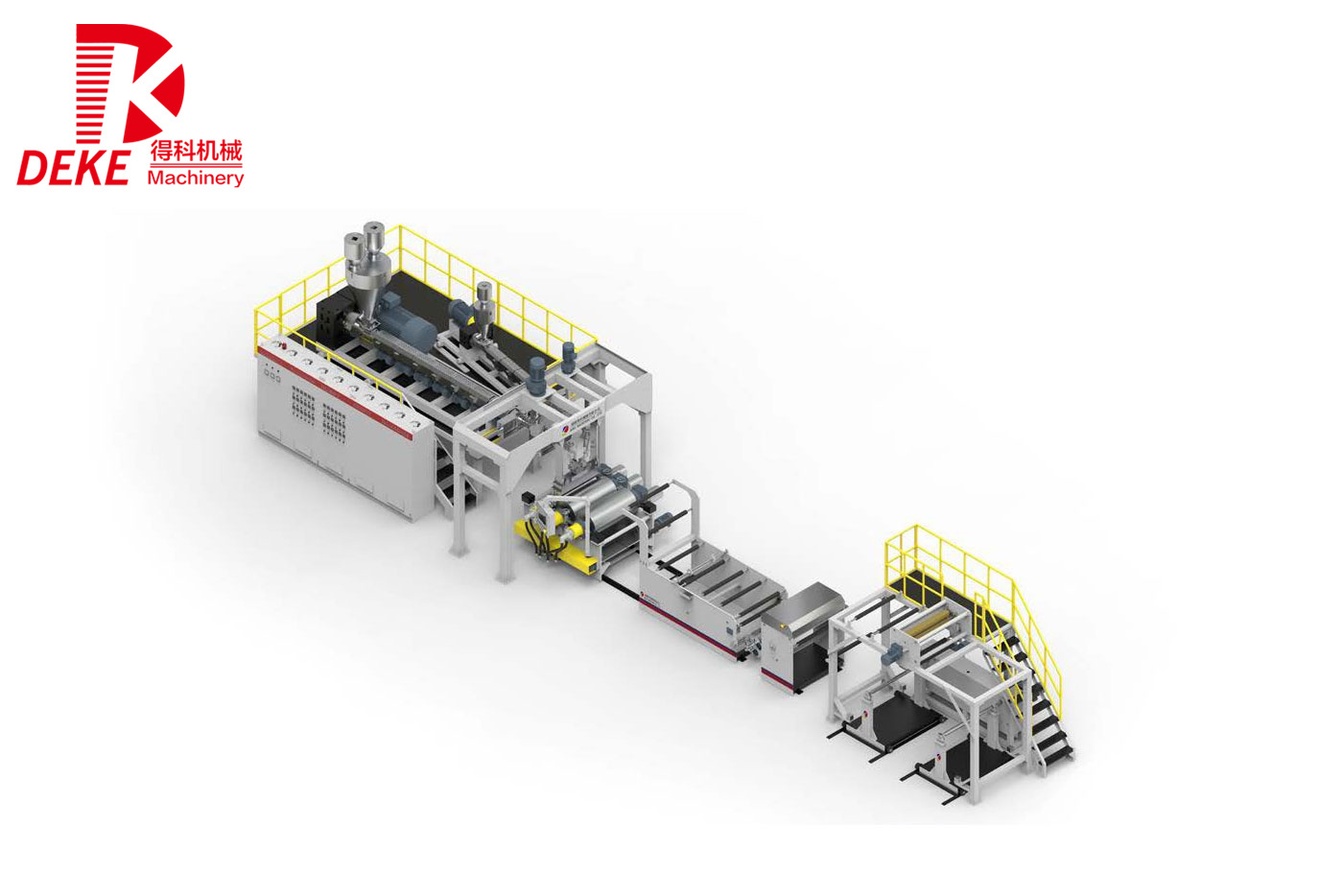
One of the primary advantages of twin screw compounding machines is their versatility. They are capable of processing a wide range of materials, including thermoplastics, thermosets, and elastomers. This adaptability allows manufacturers to customize formulations to meet specific product requirements, such as viscosity, color, and mechanical properties. The ability to handle various polymer blends and additives opens the door to innovations in product development, catering to diverse applications across industries like automotive, packaging, and electronics.
Another significant benefit of twin screw compounding machines is their superior mixing capability. The design of the intermeshing screws provides a high level of shear and distribution, ensuring that additives are uniformly dispersed throughout the polymer matrix. This uniformity is crucial for achieving consistent product quality and performance. Additionally, the modular design of these machines allows for the incorporation of various downstream equipment, such as pelletizers or cooling systems, enabling a streamlined production process.
Efficiency is another hallmark of twin screw compounding machines. Their design facilitates short residence times and quick material changes, which is essential in high-throughput manufacturing environments. By optimizing the compounding process, manufacturers can reduce energy consumption and minimize waste, ultimately leading to cost savings and a more sustainable operation.
Furthermore, twin screw compounding machines offer enhanced control over processing parameters. Advanced control systems allow for real-time monitoring and adjustments, ensuring optimal performance and product consistency. This level of control is particularly beneficial when working with sensitive materials that require precise processing conditions.
In conclusion, twin screw compounding machines are a cornerstone of modern plastics processing machinery. Their versatility, superior mixing capabilities, efficiency, and advanced control systems make them ideal for producing high-quality plastic compounds tailored to specific applications. As the demand for customized plastic solutions continues to grow, understanding the intricacies of twin screw compounding technology will empower professionals in the manufacturing sector to make informed decisions, enhance product quality, and drive innovation within their organizations.
RELATED INFORMATION

Why Choose Conical Twin Screw for Your Next Extrusion Project?
Why Choose Conical Twin Screw for Your Next Extrusion Project? Understanding Extrusion Technology In the realm of **plastic processing**, extrusion is an essential manufacturing technique that transforms raw plastic materials into usable products. The **extrusion process** involves forcing molten plastic through a die to create continuous shapes like sheets, films, and profiles. With advancements
Understanding the Advantages of Counter Rotating Twin Screw Extruders for Plastic Processing
Counter rotating twin screw extruders are pivotal in the plastic processing industry, recognized for their versatility and efficiency. Unlike single screw extruders, twin screw extruders feature two intermeshing screws that rotate in opposite directions. This design allows for enhanced material handling and processing capabilities, making them suitable for a wide array of applications. One of the

Website

Copyright©Jieyang Deke Machinery Co., Ltd.