
Optimizing Efficiency: Key Factors Influencing Twin Screw Roller Head Extruders
2025-09
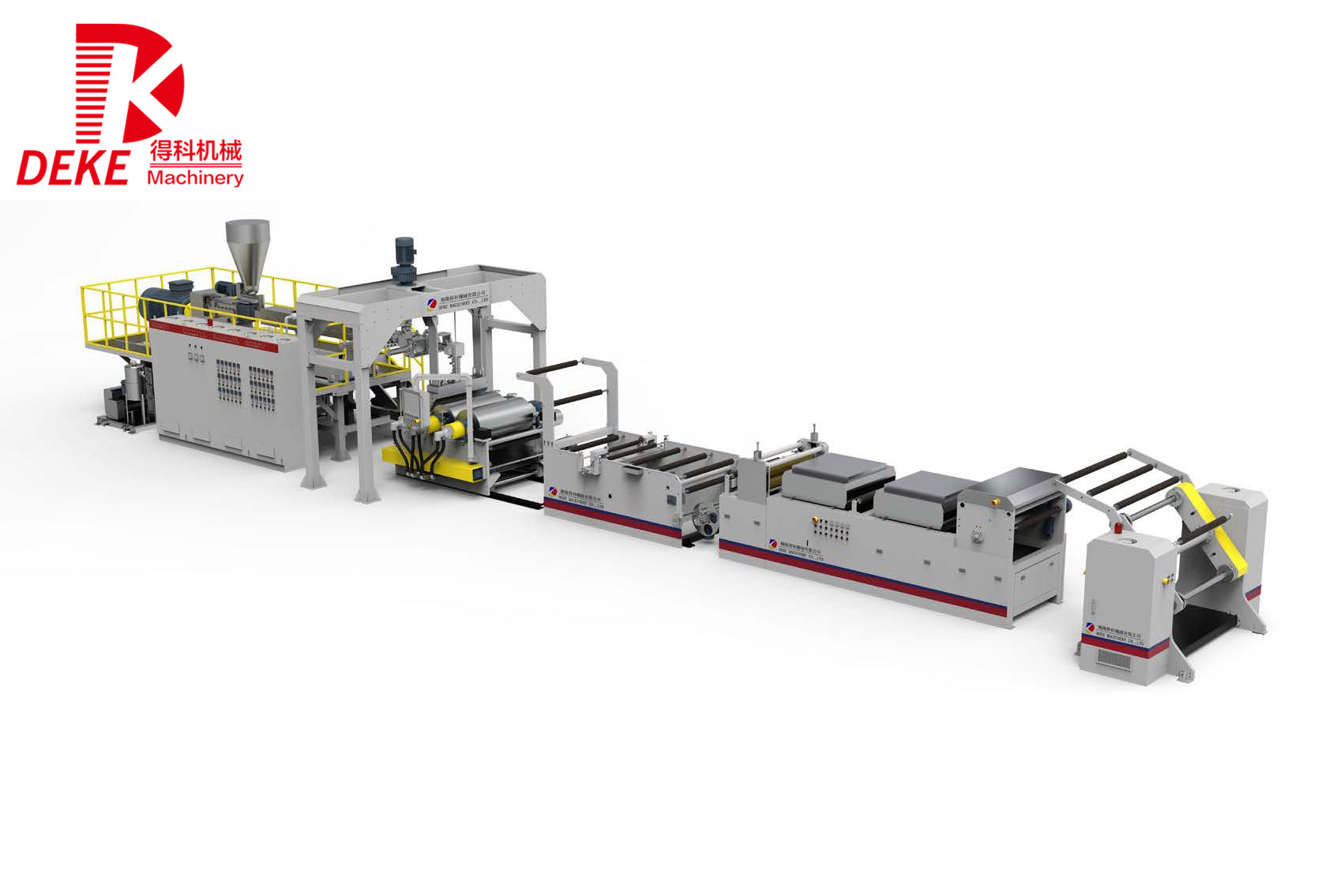
Factors Influencing the Efficiency of Twin Screw Roller Head Extruders
Introduction to Twin Screw Roller Head Extruders
Twin screw roller head extruders have emerged as a cornerstone in the manufacturing sector, particularly for processing plastics. This advanced technology is essential for producing a wide array of products, including films, sheets, and various molded components. Understanding how to optimize these extruders is crucial for manufacturers seeking to enhance productivity and efficiency. This article delves deep into the factors that influence the efficiency of twin screw roller head extruders, providing insights that can lead to better operational practices.
The Role of Design in Extruder Efficiency
1. Screw Design and Configuration
The design of the screws plays a significant role in the extrusion process. Various configurations, such as the pitch, depth, and length of the screws, affect the mixing and conveying capabilities. A well-designed screw can improve material feeding, enhance mixing, and reduce residence time, ultimately leading to a more efficient extrusion process.
2. Barrel Design and Temperature Control
The barrel design is equally important. Proper insulation and temperature control mechanisms can influence the viscosity of the material being processed. Maintaining optimal temperatures ensures that the plastic maintains its flow characteristics, preventing issues such as thermal degradation or inconsistencies in product quality.
3. Die Design and Flow Channels
The die design, which dictates the final shape of the extruded product, must be optimized for efficient flow. A well-designed die minimizes pressure drops and variations in flow rate, contributing to a consistent product quality. Advanced flow channels can enhance the material’s dwell time and improve the overall efficiency of the extrusion process.
Material Properties Impacting Extruder Performance
1. Viscosity and Melt Flow Index
The viscosity of the materials being processed directly impacts the efficiency of twin screw extruders. High viscosity materials require more energy to process, which might lead to longer cycle times and increased wear on the machinery. Understanding the melt flow index of materials allows for better processing parameters to be established, enhancing efficiency.
2. Additives and Fillers
Incorporating additives and fillers can significantly affect the processing characteristics of the material. While these components can enhance certain properties of the final product, they can also alter the flow behavior and increase the complexity of the extrusion process. Finding the right balance between additives and base materials is crucial for maintaining efficiency.
3. Material Homogeneity
Ensuring that materials are homogeneously mixed before entering the extruder is vital. Inconsistencies in material composition can lead to variations in the extrusion process, affecting product quality and operational efficiency. Frequent checks for material homogeneity can mitigate these risks.
Processing Conditions That Enhance Efficiency
1. Temperature Optimization
Temperature control is a critical factor in the performance of twin screw roller head extruders. Each type of plastic has specific temperature ranges for optimal processing. Monitoring and adjusting temperatures in real-time can significantly improve the efficiency and output quality of the extrusion process.
2. Pressure Management
Maintaining optimal pressure levels within the extruder is crucial. Excessive pressure can lead to material degradation, while insufficient pressure may result in incomplete melting or inconsistent flow. Implementing precise pressure control systems helps maintain consistent production rates and enhances overall efficiency.
3. Speed and Feed Rate Adjustments
The speed of the screws and the feed rate of the materials must be carefully balanced. A mismatch can lead to bottlenecks or underutilization of the extruder's capabilities. Regular adjustments based on real-time data can enhance throughput and efficiency.
Maintenance Practices for Optimizing Performance
1. Regular Inspection and Cleaning
Routine maintenance, including inspections and cleaning, is vital for ensuring the longevity and performance of twin screw roller head extruders. Regular checks for wear and tear, coupled with proper cleaning protocols, can prevent breakdowns and maintain efficient operation.
2. Lubrication and Component Replacement
Proper lubrication of moving parts reduces friction and wear, enhancing overall extruder performance. Component replacement at the first signs of wear can prevent further damage and downtime, ensuring uninterrupted production.
3. Employee Training and Best Practices
Investing in employee training is essential for optimizing the operation of twin screw extruders. Well-trained staff can identify inefficiencies and implement best practices, contributing to enhanced productivity and reduced operational costs.
Technological Innovations Enhancing Extruder Efficiency
1. Advanced Control Systems
The integration of advanced control systems allows for real-time monitoring and adjustments of the extrusion process. These technologies can streamline operations and minimize waste, significantly increasing efficiency.
2. Automation and Robotics
Incorporating automation and robotics into the extrusion process can enhance efficiency by reducing manual labor and minimizing errors. Automated systems can ensure precise control over material feeding and processing parameters.
3. Innovative Material Technologies
The development of new material technologies, including bio-based and recycled plastics, demands that extruders adapt to varying processing characteristics. Staying updated on these innovations can help manufacturers maintain efficiency and competitiveness.
Conclusion
The efficiency of twin screw roller head extruders is influenced by a myriad of factors including design, material properties, processing conditions, and maintenance practices. By understanding and optimizing each of these elements, manufacturers can significantly enhance their operational efficiency and product quality. As the industry continues to evolve with technological advancements, staying informed and adapting to these changes will be crucial for maintaining a competitive edge in plastic manufacturing.
FAQs
1. What is a twin screw roller head extruder used for?
Twin screw roller head extruders are primarily used for processing plastics, producing items such as films, sheets, and molded components.
2. How can I improve the efficiency of my twin screw extruder?
You can improve efficiency by optimizing screw and barrel design, managing temperature and pressure, ensuring material homogeneity, and implementing regular maintenance practices.
3. What materials can be processed with twin screw extruders?
A wide range of materials can be processed, including various types of plastics, composites, and even certain food products.
4. How does temperature affect the extrusion process?
Temperature influences the viscosity of the material being processed. Maintaining optimal temperatures prevents thermal degradation and ensures consistent flow characteristics.
5. Why is maintenance important for twin screw extruders?
Regular maintenance helps prevent breakdowns, reduces wear and tear, and ensures the machine operates at peak efficiency, leading to better product quality and reduced costs.
Previous Page:
RELATED INFORMATION

Why Choose Conical Twin Screw for Your Next Extrusion Project?
Why Choose Conical Twin Screw for Your Next Extrusion Project? Understanding Extrusion Technology In the realm of **plastic processing**, extrusion is an essential manufacturing technique that transforms raw plastic materials into usable products. The **extrusion process** involves forcing molten plastic through a die to create continuous shapes like sheets, films, and profiles. With advancements
Understanding the Advantages of Counter Rotating Twin Screw Extruders for Plastic Processing
Counter rotating twin screw extruders are pivotal in the plastic processing industry, recognized for their versatility and efficiency. Unlike single screw extruders, twin screw extruders feature two intermeshing screws that rotate in opposite directions. This design allows for enhanced material handling and processing capabilities, making them suitable for a wide array of applications. One of the

Website

Copyright©Jieyang Deke Machinery Co., Ltd.