
Understanding Twin Screw Compounding Machines: Enhancing Plastic Processing Efficiency
2025-09
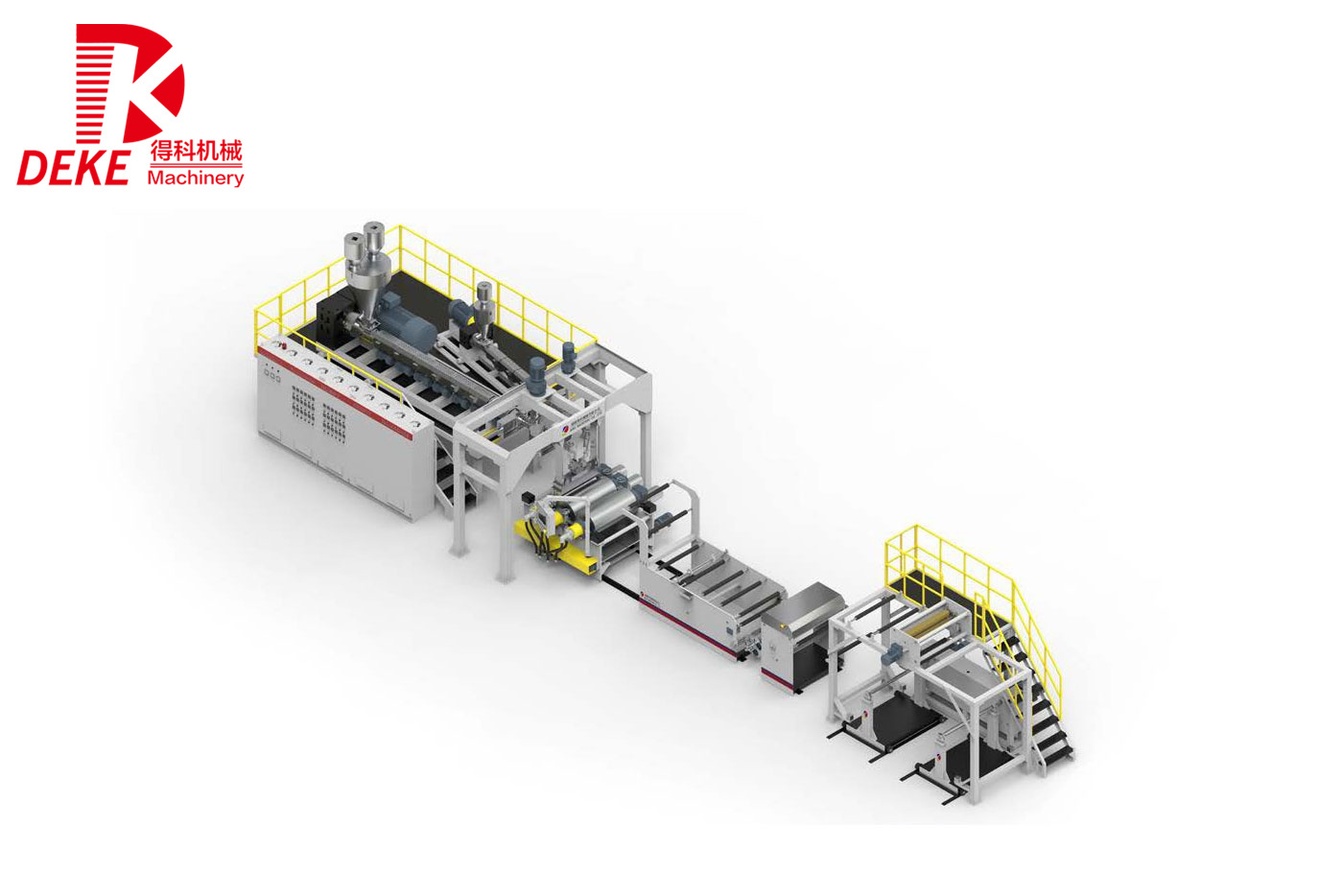
One of the most significant benefits of twin screw compounding machines is their exceptional mixing capability. The counter-rotating or co-rotating screws create intense shear forces, which enhance the dispersion of additives, colorants, and fillers throughout the polymer matrix. This thorough mixing results in a final product with improved consistency, mechanical properties, and overall performance. The ability to finely tune the screw configuration and processing parameters further allows manufacturers to customize the output to meet specific needs.
Another critical aspect of twin screw compounding machines is their versatility. These machines can process a wide range of materials, including thermoplastics, thermosets, and elastomers. They are suitable for various applications such as masterbatch production, polymer blending, and the incorporation of specialized additives. This adaptability makes them an essential tool for manufacturers aiming to innovate and expand their product offerings.
The design of twin screw compounding machines also promotes efficient thermal management. Heat generated during processing can be effectively dissipated, reducing the risk of material degradation. By optimizing temperature control, manufacturers can ensure that the properties of the processed materials remain intact, which is crucial for applications that require high-quality outputs.
Moreover, the twin screw configuration facilitates continuous feeding and discharge of materials, enhancing productivity and reducing downtime. This continuous operation is particularly advantageous in high-volume manufacturing environments, where efficiency is paramount. Additionally, the modular design of these machines allows for easy maintenance and upgrades, ensuring that they can adapt to evolving production demands.
In conclusion, twin screw compounding machines are vital assets in the plastic processing industry, offering unparalleled mixing capabilities, versatility in material processing, and efficient thermal management. Their ability to produce high-quality and consistent outputs makes them a preferred choice for manufacturers focused on enhancing their production efficiency and product innovation. By understanding the advantages and functionalities of twin screw compounding machines, manufacturers can leverage this technology to stay competitive in the ever-evolving landscape of plastic manufacturing.
RELATED INFORMATION

Why Choose Conical Twin Screw for Your Next Extrusion Project?
Why Choose Conical Twin Screw for Your Next Extrusion Project? Understanding Extrusion Technology In the realm of **plastic processing**, extrusion is an essential manufacturing technique that transforms raw plastic materials into usable products. The **extrusion process** involves forcing molten plastic through a die to create continuous shapes like sheets, films, and profiles. With advancements
Understanding the Advantages of Counter Rotating Twin Screw Extruders for Plastic Processing
Counter rotating twin screw extruders are pivotal in the plastic processing industry, recognized for their versatility and efficiency. Unlike single screw extruders, twin screw extruders feature two intermeshing screws that rotate in opposite directions. This design allows for enhanced material handling and processing capabilities, making them suitable for a wide array of applications. One of the

Website

Copyright©Jieyang Deke Machinery Co., Ltd.