
Unlocking Efficiency: The Role of Conical Extruders in Plastic Processing
2025-09
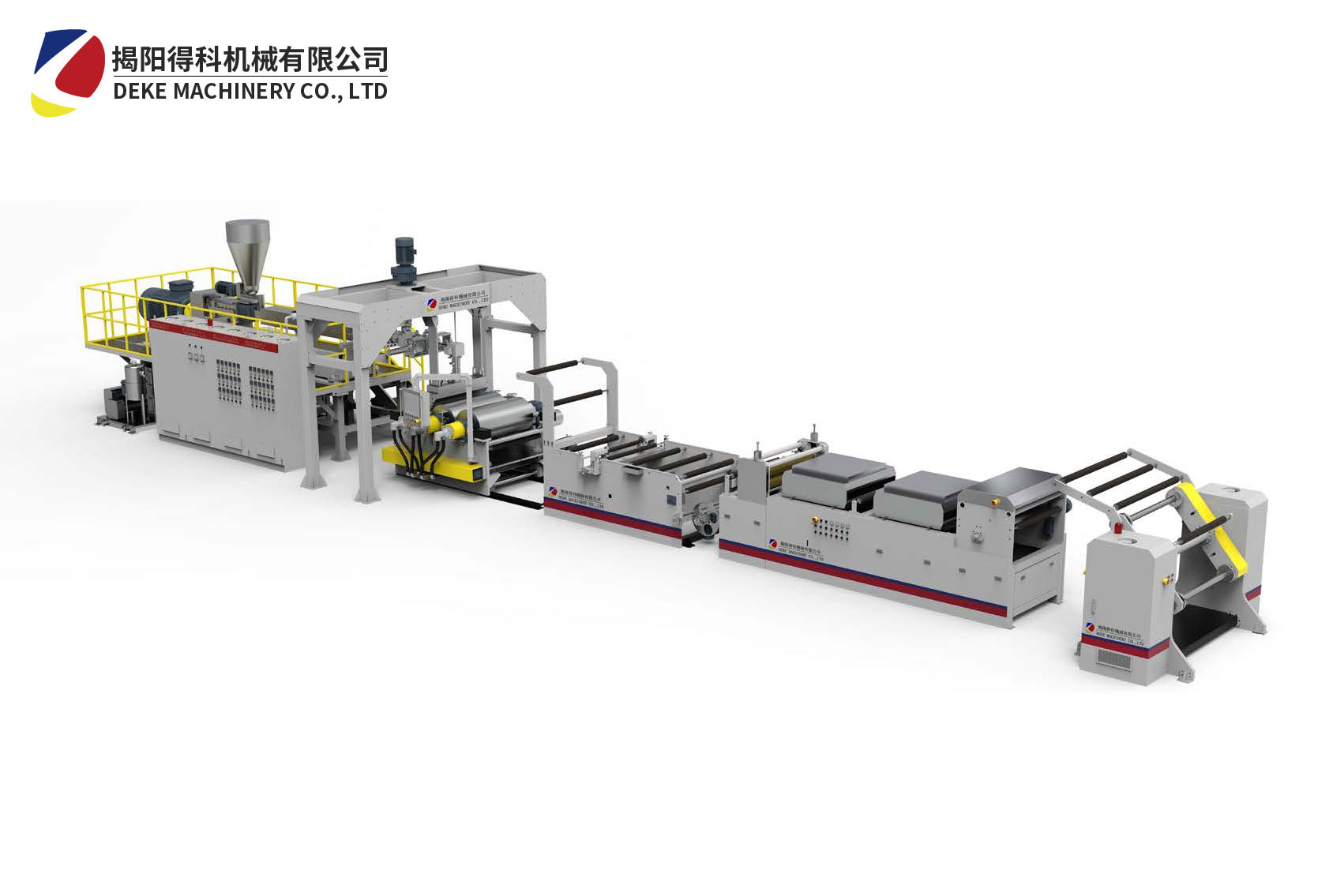
Unlocking Efficiency: The Role of Conical Extruders in Plastic Processing
Table of Contents
- 1. Introduction to Conical Extruders
- 2. Understanding Conical Extruders
- 3. Benefits of Conical Extruders in Plastic Processing
- 4. Applications of Conical Extruders
- 5. Conical Extruders vs. Parallel Extruders
- 6. Key Design Features of Conical Extruders
- 7. Maintenance Tips for Conical Extruders
- 8. Future Trends in Conical Extrusion Technology
- 9. Frequently Asked Questions
- 10. Conclusion
1. Introduction to Conical Extruders
In the fast-evolving realm of **plastic processing**, *conical extruders* have emerged as a pivotal technology, streamlining production and improving efficiency. These specialized machines are designed to transform raw plastic materials into a variety of end-products with exceptional quality. Understanding their role and functionality is essential for anyone involved in **manufacturing** and **processing plastics**.
2. Understanding Conical Extruders
Conical extruders are characterized by their unique screw design. Unlike traditional parallel extruders, they feature a conical screw configuration that allows for better mixing, melting, and conveying of materials. The conical shape facilitates a gradual transition from the feed zone to the metering section, ensuring a uniform melt and consistent output.
How Conical Extruders Work
The operation of a conical extruder begins with the loading of raw plastic pellets into the hopper. As the screw rotates, the pellets are pushed through the feed zone, where they are heated and softened. The conical design allows for efficient melting and homogenization as the material flows toward the die. This process results in a high-quality melt that is crucial for producing uniform products.
3. Benefits of Conical Extruders in Plastic Processing
The adoption of conical extruders in plastic processing offers numerous advantages that are compelling for manufacturers:
Improved Mixing and Homogenization
The conical screw configuration enhances the mixing of additives, colors, and other components, leading to a more uniform product quality. This is particularly important in applications requiring precise color matching or the incorporation of specific additives.
Energy Efficiency
Conical extruders are designed with energy efficiency in mind. Their streamlined design reduces the amount of energy needed for heating and processing, resulting in lower operational costs. This efficiency not only benefits manufacturers financially but also contributes to more sustainable production practices.
Versatility in Material Processing
Conical extruders can process a wide range of materials, including thermoplastics, elastomers, and composites. This versatility makes them suitable for various applications, from simple profiles to complex multi-layer films.
Reduced Residence Time
The design of conical extruders minimizes the residence time of materials within the machine. This reduction helps prevent thermal degradation of sensitive materials and enhances the overall quality of the final product.
4. Applications of Conical Extruders
Conical extruders are utilized in a variety of applications across the plastic processing industry:
Film and Sheet Extrusion
Conical extruders are ideal for producing thin films and sheets used in packaging and other applications. Their ability to create uniform melts ensures high-quality products with consistent thickness.
Pipe and Profile Extrusion
These machines excel in producing pipes and profiles, making them essential for the construction and plumbing industries. The precise control over melt temperature and flow rates enables the creation of intricate shapes.
Compounding and Masterbatch Production
In compounding applications, conical extruders effectively mix base polymers with additives to create masterbatches. This process is crucial for producing materials with specific properties, such as enhanced strength or UV resistance.
Recycling of Plastics
Conical extruders are increasingly being used in recycling processes, where they help convert recycled plastic waste back into usable materials. Their ability to handle various feedstocks makes them a valuable asset in sustainable manufacturing.
5. Conical Extruders vs. Parallel Extruders
While both conical and parallel extruders serve the purpose of processing plastics, they have distinct differences that can impact their performance in various applications.
Design and Functionality
Conical extruders feature a tapered screw design that allows for better mixing and material flow, while parallel extruders have screw designs that focus on uniformity and consistency. This fundamental difference influences the choice of extruder based on the specific application requirements.
Cost and Efficiency
Conical extruders are typically more cost-effective in terms of energy consumption and maintenance, making them an attractive option for manufacturers looking to optimize their operations. However, parallel extruders may provide better performance for specific applications requiring high output rates.
Material Handling
The ability of conical extruders to handle a wider range of materials makes them a versatile option for manufacturers. Conversely, parallel extruders may be better suited for specific polymers with narrow processing windows.
6. Key Design Features of Conical Extruders
Understanding the design features of conical extruders can help manufacturers appreciate their functionality and advantages:
Screw Geometry
The geometry of the screw is critical for determining the performance of a conical extruder. The conical shape enhances material mixing and melting, while the pitch and depth of the screw flights influence the flow and pressure within the extruder.
Heating Zones
Conical extruders are equipped with multiple heating zones that allow for precise temperature control throughout the processing line. This feature ensures optimal melting and prevents thermal degradation of materials.
Die Design
The die used in conical extrusion significantly affects the final product's shape and quality. Customizable die designs can accommodate a variety of shapes and sizes, enhancing the versatility of the extruder.
7. Maintenance Tips for Conical Extruders
To ensure optimal performance, regular maintenance of conical extruders is essential. Here are some tips for effective upkeep:
Regular Cleaning
Frequent cleaning of the extruder components, especially the screw and die, is crucial to prevent material buildup and contamination. A clean machine promotes better processing and product quality.
Monitoring Temperature and Pressure
Regularly checking the temperature and pressure settings is vital for maintaining the efficiency of the extruder. Deviations from the ideal range can lead to quality issues and increased downtime.
Scheduled Inspections
Conducting routine inspections of key components, such as bearings and seals, can help identify potential issues before they escalate into significant problems. This proactive approach minimizes downtime and maintenance costs.
8. Future Trends in Conical Extrusion Technology
As the plastic processing industry continues to evolve, several trends are shaping the future of conical extrusion technology:
Integration of Smart Technologies
The incorporation of smart technologies, such as IoT sensors and predictive maintenance systems, is revolutionizing conical extruder operations. These advancements allow for real-time monitoring and data analysis, enhancing efficiency and reducing downtime.
Sustainable Practices
As sustainability becomes a priority, manufacturers are increasingly seeking ways to reduce waste and energy consumption in their processes. Conical extruders' energy-efficient designs and versatility in handling recycled materials position them well in this evolving landscape.
Advanced Materials Processing
With the development of new materials, including biodegradable plastics and composite materials, conical extruders will play a critical role in adapting processing techniques to accommodate these innovations. Their flexibility enables manufacturers to stay ahead in a competitive market.
9. Frequently Asked Questions
What are conical extruders best used for?
Conical extruders are best suited for applications such as film and sheet extrusion, pipe and profile production, and compounding of specialty materials.
How do conical extruders improve efficiency?
By reducing energy consumption, enhancing mixing capability, and minimizing residence time, conical extruders significantly improve overall processing efficiency.
Can conical extruders process recycled materials?
Yes, conical extruders are highly effective at processing a wide range of recycled materials, making them integral to sustainable manufacturing practices.
What maintenance is required for conical extruders?
Regular cleaning, monitoring of temperature and pressure, and scheduled inspections of components are essential for maintaining the performance of conical extruders.
Are conical extruders more expensive than parallel extruders?
While the initial investment may vary, conical extruders often provide long-term savings through energy efficiency and reduced maintenance costs, making them a cost-effective option over time.
10. Conclusion
In the competitive landscape of plastic processing, **conical extruders** stand out as a vital tool for enhancing efficiency and product quality. Their unique design and operational advantages offer manufacturers the opportunity to optimize their production processes, reduce costs, and stay ahead in a rapidly changing market. As technology continues to advance, the role of conical extruders is likely to expand, paving the way for innovations that will further transform the plastic processing industry.
Previous Page:
RELATED INFORMATION

Why Choose Conical Twin Screw for Your Next Extrusion Project?
Why Choose Conical Twin Screw for Your Next Extrusion Project? Understanding Extrusion Technology In the realm of **plastic processing**, extrusion is an essential manufacturing technique that transforms raw plastic materials into usable products. The **extrusion process** involves forcing molten plastic through a die to create continuous shapes like sheets, films, and profiles. With advancements
Understanding the Advantages of Counter Rotating Twin Screw Extruders for Plastic Processing
Counter rotating twin screw extruders are pivotal in the plastic processing industry, recognized for their versatility and efficiency. Unlike single screw extruders, twin screw extruders feature two intermeshing screws that rotate in opposite directions. This design allows for enhanced material handling and processing capabilities, making them suitable for a wide array of applications. One of the

Website

Copyright©Jieyang Deke Machinery Co., Ltd.