
The Role of Counter Rotating Twin Screw Extruders in Advanced Plastic Production
2025-09
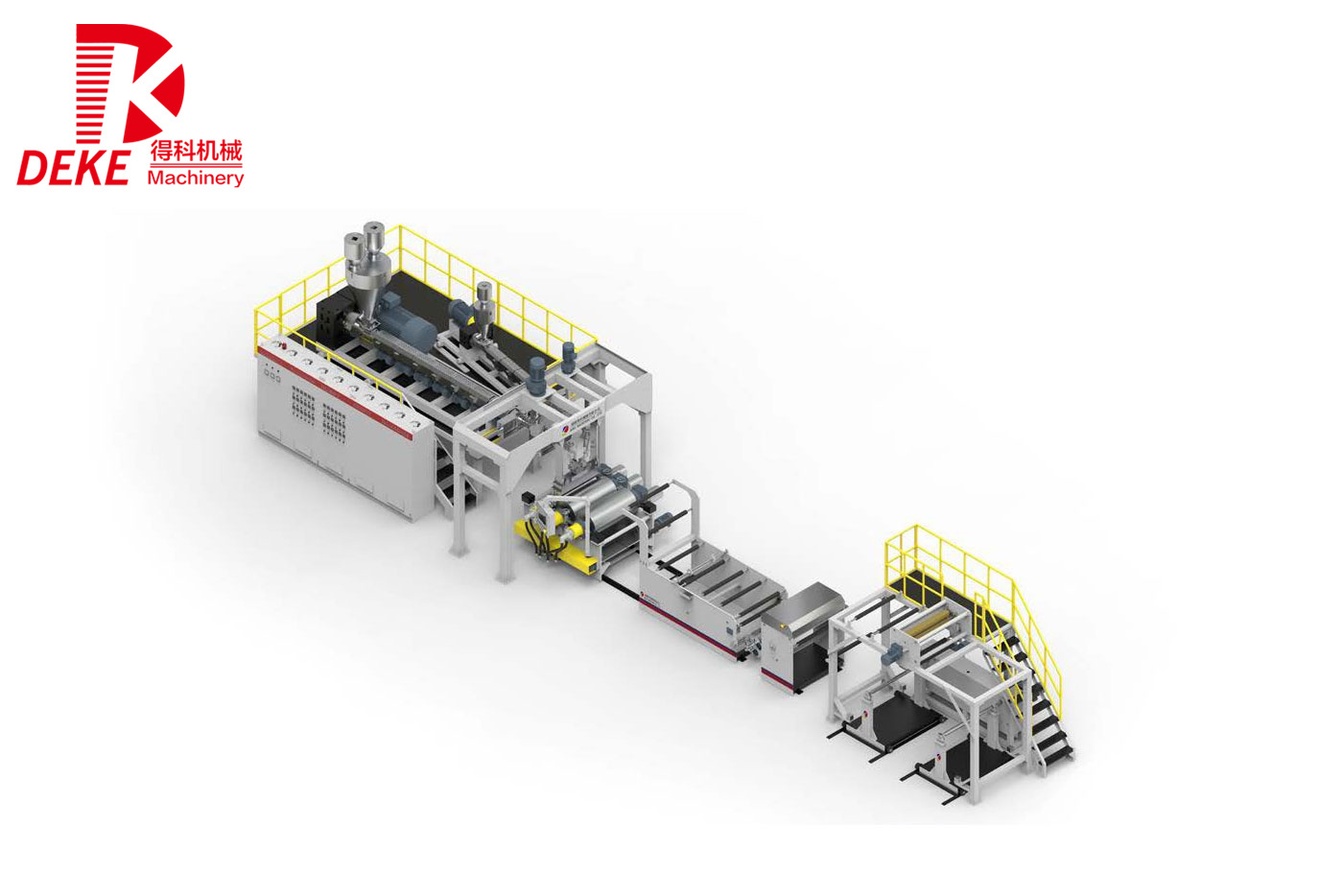
The Role of Counter Rotating Twin Screw Extruders in Advanced Plastic Production
Introduction to Counter Rotating Twin Screw Extruders
Counter rotating twin screw extruders have emerged as a pivotal technology in the plastic processing industry. These machines facilitate the production of high-quality plastic materials by effectively mixing, melting, and extruding polymers. Their unique design allows for precise control over the material processing, making them indispensable in advanced plastic production.
Understanding the Mechanism of Counter Rotating Twin Screw Extruders
Counter rotating twin screw extruders consist of two intermeshing screws that rotate in opposite directions. This configuration enables a highly efficient mixing and conveying action, which is crucial for achieving uniform temperature and material distribution.
Key Components of Counter Rotating Twin Screw Extruders
1. **Screws**: The screws are designed with various geometries to enhance mixing and processing capabilities. Each screw can have flights of different depths, which influence the flow characteristics and mixing efficiency.
2. **Barrel**: The barrel houses the screws and is equipped with temperature control systems to maintain the desired processing temperature.
3. **Feed Zone**: This area is where raw materials are introduced into the extruder. The design of the feed zone is critical for ensuring a steady and uniform flow of materials.
4. **Melt Zone**: In this zone, the material is heated and melted. The efficiency of this zone determines the quality of the final product.
5. **Die**: The die shapes the extruded material into the desired form. Precision in the die design is essential for ensuring product consistency.
How Counter Rotating Twin Screw Extruders Work
The operation of counter rotating twin screw extruders involves several stages:
- **Feeding**: Raw materials, such as plastic pellets, are fed into the feed zone.
- **Melting & Mixing**: The screws rotate in opposite directions, generating shear forces that melt and mix the materials effectively.
- **Extrusion**: The molten plastic is forced through the die, taking on its final shape as it exits the extruder.
The Advantages of Counter Rotating Twin Screw Extruders in Plastic Production
Counter rotating twin screw extruders offer numerous benefits that enhance their appeal in the plastic production process.
Enhanced Mixing Capabilities
The counter-rotating design allows for superior mixing of various materials. This feature is particularly advantageous for producing compounds with additives, colors, or fillers, ensuring a homogenous final product.
Improved Thermal Control
These extruders provide excellent control over the thermal profile of the material. They can maintain consistent temperatures throughout the melting and mixing zones, which is crucial for processing temperature-sensitive materials.
Flexibility in Processing Different Materials
Counter rotating twin screw extruders can process a wide range of materials, including recyclables, thermoplastics, and elastomers. This flexibility makes them suitable for diverse applications in the plastic manufacturing industry.
Higher Production Efficiency
Due to their efficient design, counter rotating twin screw extruders can achieve higher throughput rates compared to traditional single screw extruders. This efficiency translates into lower production costs and increased profitability for manufacturers.
Applications of Counter Rotating Twin Screw Extruders
The versatility of counter rotating twin screw extruders allows them to be employed in various applications within the plastic industry.
Compounding and Masterbatch Production
One of the primary applications of counter rotating twin screw extruders is in the production of polymer compounds and masterbatches. Their ability to mix additives uniformly with the base polymer ensures consistent product quality.
Recycling of Plastics
These extruders play a crucial role in the recycling of plastics by enabling the processing of recycled materials into high-quality products. Their design allows for effective degassing, which is essential for removing impurities from recycled plastics.
Film and Sheet Production
Counter rotating twin screw extruders are also used in producing films and sheets. Their precision in processing ensures that these products meet the stringent quality standards required in the packaging industry.
Future Trends in Counter Rotating Twin Screw Extruders
As the plastic industry continues to evolve, so too will the technology surrounding counter rotating twin screw extruders.
Integration with Industry 4.0 Technologies
The future of plastic production is leaning towards automation and smart manufacturing. Counter rotating twin screw extruders will increasingly integrate with Industry 4.0 technologies, such as IoT and AI, to enhance process control and efficiency.
Sustainability and Eco-Friendly Solutions
With an increasing focus on sustainability, manufacturers will seek ways to minimize waste and energy consumption in their production processes. Counter rotating twin screw extruders, with their efficient design, are poised to support these initiatives by enabling the processing of biodegradable and recycled materials.
FAQs about Counter Rotating Twin Screw Extruders
1. What are the main benefits of using counter rotating twin screw extruders?
Counter rotating twin screw extruders offer enhanced mixing capabilities, improved thermal control, flexibility to process various materials, and higher production efficiency.
2. How do counter rotating twin screw extruders differ from single screw extruders?
Counter rotating twin screw extruders feature two screws that rotate in opposite directions, allowing for better mixing and material handling compared to single screw extruders, which have only one screw.
3. What materials can be processed using counter rotating twin screw extruders?
These extruders can process a wide variety of materials, including thermoplastics, elastomers, and recycled plastics, making them suitable for various applications.
4. What role do counter rotating twin screw extruders play in recycling processes?
Counter rotating twin screw extruders enable effective processing of recycled plastics by removing impurities and ensuring homogenous material quality.
5. Are there any upcoming advancements expected in counter rotating twin screw extruder technology?
Future advancements may include integration with smart manufacturing technologies, enhanced energy efficiency, and the development of solutions for processing sustainable materials.
Conclusion
Counter rotating twin screw extruders have become a cornerstone of advanced plastic production. Their unique design and operational efficiency facilitate a wide range of applications, from compounding to recycling. As the plastic industry continues to innovate, these extruders will play an essential role in meeting the evolving demands for quality, efficiency, and sustainability. Embracing this technology not only enhances production capabilities but also positions manufacturers at the forefront of the plastic processing industry.
Previous Page:
RELATED INFORMATION

Why Choose Conical Twin Screw for Your Next Extrusion Project?
Why Choose Conical Twin Screw for Your Next Extrusion Project? Understanding Extrusion Technology In the realm of **plastic processing**, extrusion is an essential manufacturing technique that transforms raw plastic materials into usable products. The **extrusion process** involves forcing molten plastic through a die to create continuous shapes like sheets, films, and profiles. With advancements
Understanding the Advantages of Counter Rotating Twin Screw Extruders for Plastic Processing
Counter rotating twin screw extruders are pivotal in the plastic processing industry, recognized for their versatility and efficiency. Unlike single screw extruders, twin screw extruders feature two intermeshing screws that rotate in opposite directions. This design allows for enhanced material handling and processing capabilities, making them suitable for a wide array of applications. One of the

Website

Copyright©Jieyang Deke Machinery Co., Ltd.