
Unlocking Efficiency in Plastic Processing: The Role of Compounding Twin Screw Extruders
2025-09
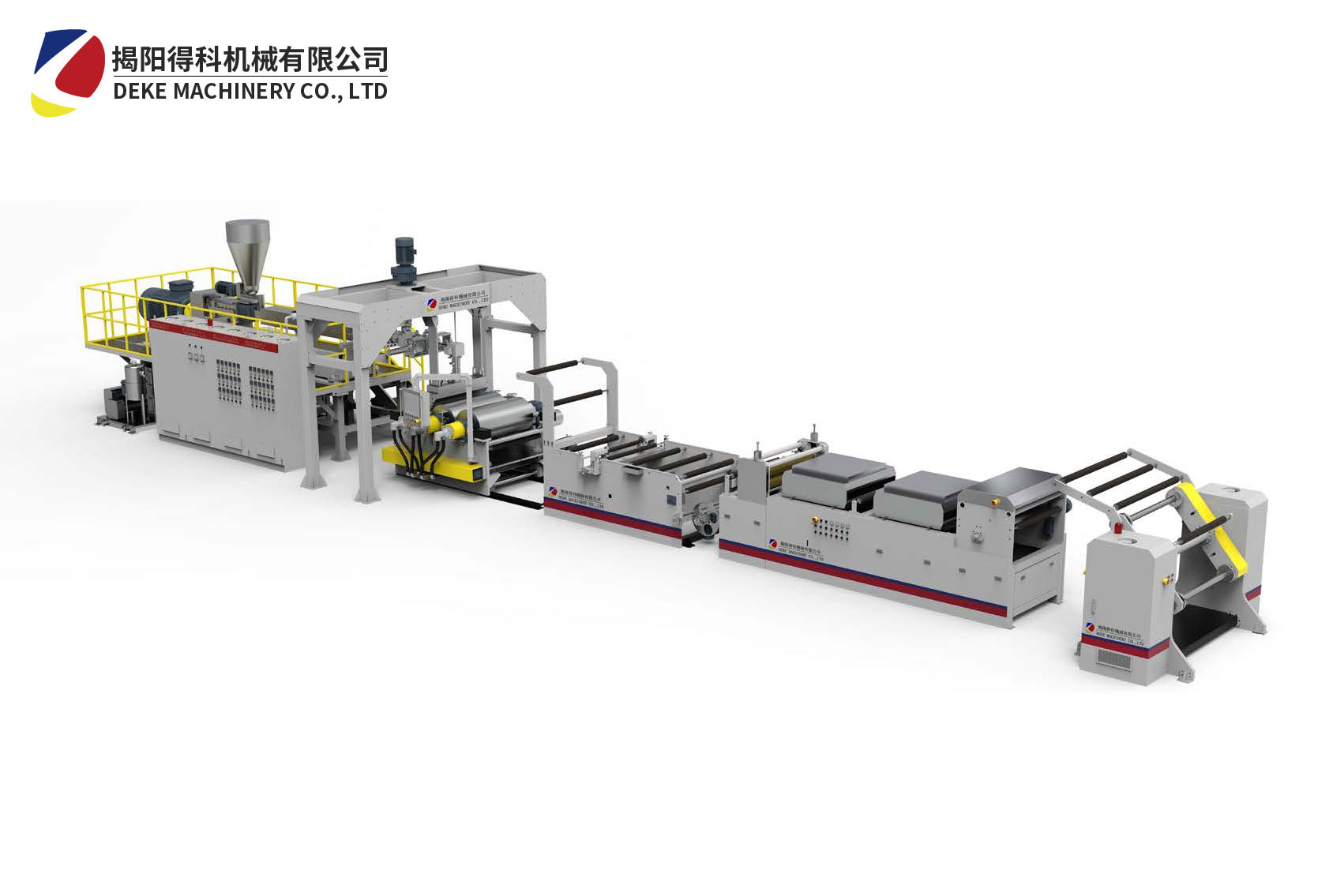
One of the core advantages of using a compounding twin screw extruder is its ability to achieve a high level of homogeneity in the final product. This is particularly essential when producing materials that require precise formulations, such as those used in automotive, packaging, and medical applications. The intense mixing action ensures that additives like colorants and stabilizers are thoroughly dispersed, resulting in enhanced performance characteristics of the finished product.
Moreover, the versatility of compounding twin screw extruders allows manufacturers to process a wide range of materials, including polymers with different viscosities. The machine can handle everything from low to high melt flow rates, accommodating various applications and production needs. This adaptability is a considerable advantage in today’s fast-paced manufacturing environment, where flexibility can significantly impact efficiency.
Another key feature of compounding twin screw extruders is their ability to facilitate in-line compounding. This process eliminates the need for pre-compounding materials, thus streamlining production and reducing costs. In-line compounding allows for quicker adjustments to formulations, enabling manufacturers to respond swiftly to changing market demands or to experiment with new material compositions.
The operational efficiency of compounding twin screw extruders is further enhanced by advanced control systems that monitor and optimize the processing conditions in real-time. These systems can ensure consistent product quality, minimize waste, and reduce energy consumption. Consequently, manufacturers can achieve both economic and environmental benefits, aligning with sustainability goals that are increasingly important in the plastics industry.
In summary, compounding twin screw extruders are a vital asset for professionals in plastic processing, offering numerous advantages in terms of efficiency, flexibility, and product quality. As the industry continues to evolve, investing in such advanced machinery can provide a competitive edge, enabling manufacturers to meet the high standards expected in today’s market. Understanding the mechanics and operational benefits of these machines is crucial for anyone looking to enhance their manufacturing processes and drive innovation in their product offerings.
Previous Page:
RELATED INFORMATION

Why Choose Conical Twin Screw for Your Next Extrusion Project?
Why Choose Conical Twin Screw for Your Next Extrusion Project? Understanding Extrusion Technology In the realm of **plastic processing**, extrusion is an essential manufacturing technique that transforms raw plastic materials into usable products. The **extrusion process** involves forcing molten plastic through a die to create continuous shapes like sheets, films, and profiles. With advancements
Understanding the Advantages of Counter Rotating Twin Screw Extruders for Plastic Processing
Counter rotating twin screw extruders are pivotal in the plastic processing industry, recognized for their versatility and efficiency. Unlike single screw extruders, twin screw extruders feature two intermeshing screws that rotate in opposite directions. This design allows for enhanced material handling and processing capabilities, making them suitable for a wide array of applications. One of the

Website

Copyright©Jieyang Deke Machinery Co., Ltd.