
Why Choose a Conical Extruder for Your Manufacturing Needs?
2025-09
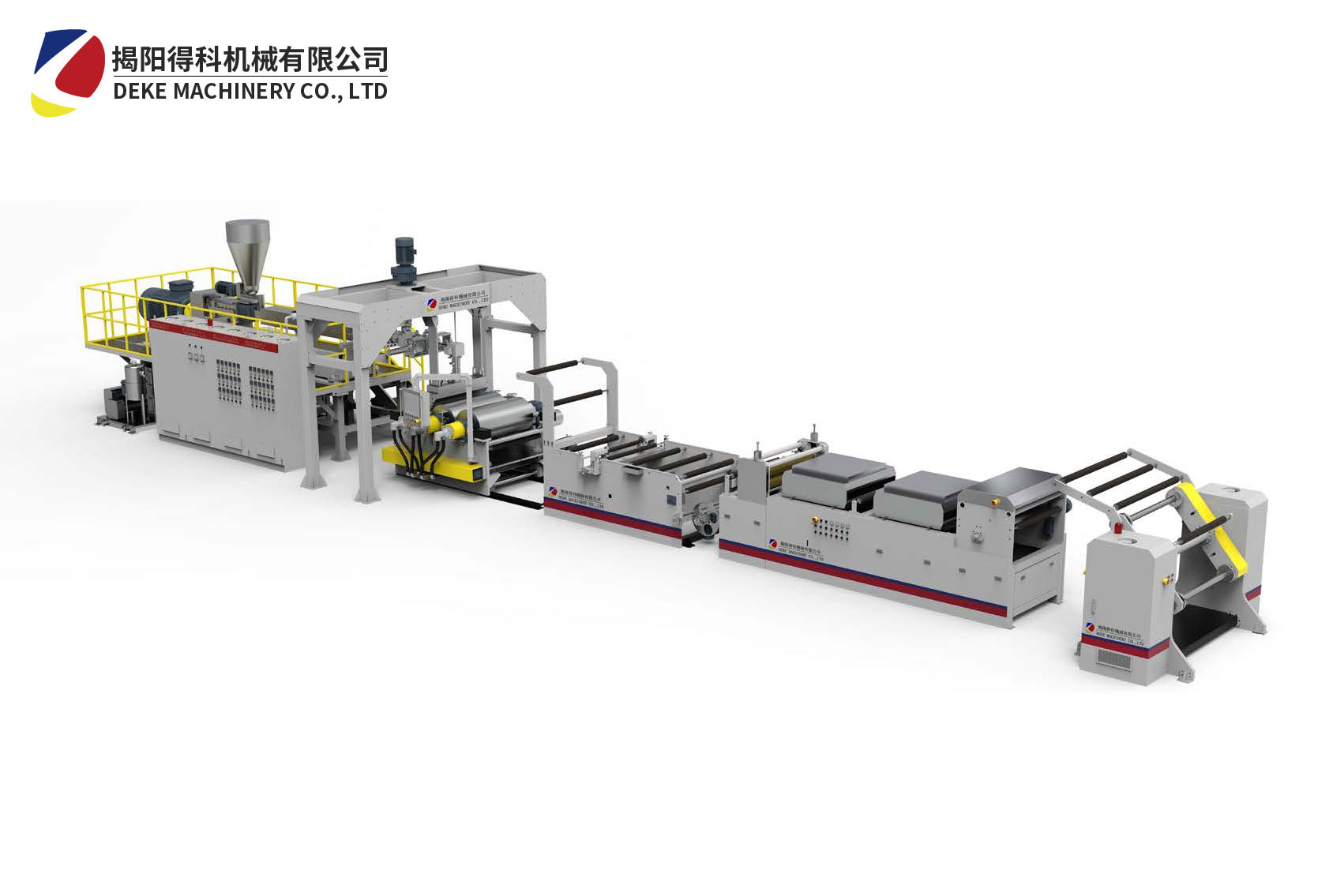
Why Choose a Conical Extruder for Your Manufacturing Needs?
Introduction to Conical Extruders
Conical extruders play a pivotal role in the manufacturing of plastic products. These specialized machines are designed to process raw materials into usable forms efficiently. Unlike traditional extruders, conical extruders feature a tapered design that enhances material flow and mixing. This article will uncover the myriad benefits of conical extruders, why they stand out in the industry, and how they can optimize your manufacturing processes.
Understanding the Mechanism of Conical Extruders
Conical extruders utilize a unique twin-screw mechanism that operates on a conical profile. This design facilitates a more effective distribution of material, resulting in superior mixing and melting. The following sections will explore the operational efficiencies and technical advantages offered by conical extruders.
How Conical Extruders Work
Conical extruders consist of two intermeshing screws that rotate within a conical barrel. As material enters the extruder, it is fed into the first section where the screws gradually increase in pitch. This geometric design allows for increased shear and pressure, ensuring that the material is thoroughly mixed and heated before exiting the die.
Key Components of a Conical Extruder
Understanding the components of a conical extruder is crucial for appreciating its functionality. Here are the main parts:
1. **Screws**: These are the heart of the extruder, designed to provide optimal mixing and material transport.
2. **Barrel**: The conical barrel supports the screws and is typically equipped with heating zones to control temperature.
3. **Die**: The die shapes the extruded material into the desired product form.
Advantages of Using Conical Extruders
Choosing a conical extruder for your manufacturing needs offers several distinct advantages. Below, we will explore these benefits in detail.
1. Enhanced Material Mixing and Shearing
Conical extruders excel in materials that require precise mixing and shearing, such as composite materials or filled polymers. The conical design ensures that materials are subjected to uniform heat and shear, resulting in a consistent end product.
2. Versatility in Material Processing
Conical extruders are adaptable to various raw materials, including thermoplastics, thermosets, and even biodegradable plastics. This versatility allows manufacturers to innovate and expand their product lines without investing in multiple machines.
3. Energy Efficiency
With their efficient design, conical extruders consume less energy compared to traditional extruders. The improved flow dynamics reduce the energy required for heating and pushing materials through the machine, leading to lower operational costs.
4. High Throughput and Productivity
The design of conical extruders enables higher throughput rates, making them ideal for large-scale production. Manufacturers can achieve significant output without compromising on quality.
5. Reduced Maintenance Requirements
Conical extruders are built for durability and low maintenance. Their simplified design reduces wear and tear, minimizing downtime and maintenance costs.
Applications of Conical Extruders in Manufacturing
Conical extruders find applications in a wide range of industries. This section will highlight some of the most common uses.
1. Plastics and Polymers
The primary application of conical extruders is in the plastics industry, where they are used to produce items such as films, sheets, and pipes. Their ability to handle various plastic grades makes them indispensable.
2. Food Processing
In food manufacturing, conical extruders are used for producing snack foods, cereals, and other processed items. Their hygienic design and precise temperature control ensure food safety and quality.
3. Chemical Processing
Conical extruders are also utilized in the chemical industry for blending and processing various compounds. Their capability to handle viscous materials makes them suitable for this application.
4. Medical Applications
The medical industry uses conical extruders for producing specialized plastic components, such as tubing and containers, where precision and cleanliness are paramount.
Choosing the Right Conical Extruder for Your Needs
Selecting the appropriate conical extruder for your manufacturing operation involves several considerations.
1. Material Specifications
Evaluate the types of materials you will be processing. Understanding their melting points, viscosity, and flow characteristics will help you choose the right machine.
2. Production Capacity
Determine your production requirements. A higher throughput machine may be necessary for large-scale operations, while smaller operations may benefit from modular machines that can be upgraded as needed.
3. Customization Options
Many manufacturers offer customizable conical extruders. Look for features that align with your production goals, such as adjustable heating zones, interchangeable screws, and specialized dies.
4. Budget Considerations
While investing in a conical extruder may seem significant, the long-term benefits often outweigh the initial costs. Consider total cost of ownership, including energy efficiency and maintenance.
Maintenance Tips for Conical Extruders
Proper maintenance is essential to ensure the longevity and efficiency of your conical extruder.
1. Regular Cleaning
Frequent cleaning prevents material buildup and contamination. Schedule regular cleaning cycles based on your production volume.
2. Monitor Wear and Tear
Regularly inspect screws and barrels for signs of wear. Replacing worn components proactively can prevent costly downtime.
3. Lubrication
Ensure that moving parts are adequately lubricated. This reduces friction and prolongs the lifespan of the machine.
The Future of Conical Extrusion Technology
As technology advances, the design and capabilities of conical extruders continue to evolve. Innovations may include enhanced automation, smart technology integration, and improved energy efficiency. Staying informed about these advancements can help manufacturers maintain a competitive edge.
Conclusion
Conical extruders offer unparalleled advantages for modern manufacturing processes. Their unique design enhances efficiency, versatility, and productivity, making them a wise choice for businesses in various industries. By understanding their operational mechanisms, applications, and maintenance needs, manufacturers can optimize their production capabilities and achieve better outcomes. As the market evolves, investing in a conical extruder today ensures that your business remains at the forefront of innovation and efficiency.
FAQs
1. What is a conical extruder?
A conical extruder is a type of extrusion machine that uses a twin-screw mechanism with a tapered design to process and shape materials, primarily plastics.
2. What are the main benefits of using a conical extruder?
The main benefits include improved material mixing, versatility in processing various materials, energy efficiency, high throughput, and reduced maintenance requirements.
3. What types of materials can be processed using a conical extruder?
Conical extruders can process a wide range of materials, including thermoplastics, thermosets, composites, and biodegradable plastics.
4. How does a conical extruder differ from a traditional extruder?
Conical extruders feature a tapered design that allows for better mixing, material flow, and energy efficiency compared to traditional extruders.
5. What maintenance is required for a conical extruder?
Routine maintenance includes regular cleaning, monitoring for wear and tear, and ensuring proper lubrication of moving parts to maintain efficiency and prevent downtime.
RELATED INFORMATION

Why Choose Conical Twin Screw for Your Next Extrusion Project?
Why Choose Conical Twin Screw for Your Next Extrusion Project? Understanding Extrusion Technology In the realm of **plastic processing**, extrusion is an essential manufacturing technique that transforms raw plastic materials into usable products. The **extrusion process** involves forcing molten plastic through a die to create continuous shapes like sheets, films, and profiles. With advancements
Understanding the Advantages of Counter Rotating Twin Screw Extruders for Plastic Processing
Counter rotating twin screw extruders are pivotal in the plastic processing industry, recognized for their versatility and efficiency. Unlike single screw extruders, twin screw extruders feature two intermeshing screws that rotate in opposite directions. This design allows for enhanced material handling and processing capabilities, making them suitable for a wide array of applications. One of the

Website

Copyright©Jieyang Deke Machinery Co., Ltd.