
The Connection Between PET Extrusion Sheet Lines and Industry 4.0: Transforming Plastic Manufacturing
2025-09
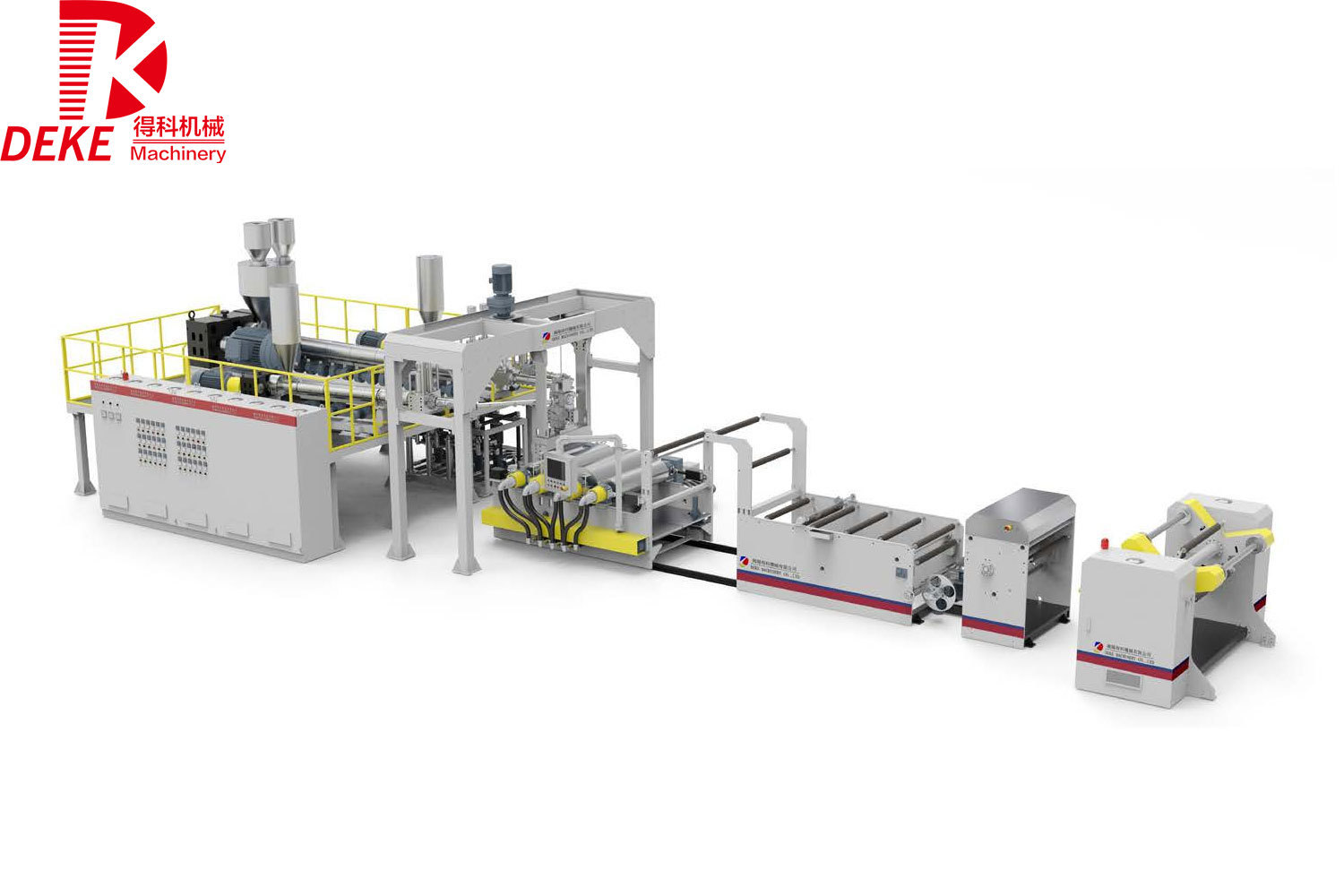
The Connection Between PET Extrusion Sheet Lines and Industry 4.0
Introduction to Industry 4.0 and Its Impact on Manufacturing
The term **Industry 4.0** refers to the fourth industrial revolution, characterized by the integration of **cyber-physical systems**, the Internet of Things (IoT), and cloud computing into manufacturing processes. This technological evolution is reshaping how industries operate, including **plastic manufacturing**. At the forefront of this transformation is the **PET extrusion sheet line**, a critical component in the production of plastic sheets used in various applications.
As we delve deeper into the connection between PET extrusion sheet lines and Industry 4.0, we will explore the innovative technologies that are enhancing operational efficiency, product quality, and sustainability.
Understanding PET Extrusion Sheet Lines
What Are PET Extrusion Sheet Lines?
PET extrusion sheet lines are specialized systems designed to manufacture sheets from **polyethylene terephthalate (PET)** resin. These lines involve several processes, including:
1. **Feeding**: PET pellets are fed into the extruder.
2. **Melting**: The pellets are heated and melted to form a homogeneous material.
3. **Extrusion**: The molten PET is forced through a die to create a sheet.
4. **Cooling**: The extruded sheet is cooled and solidified.
5. **Cutting**: The sheets are cut to the desired length.
The versatility of PET makes it a popular choice for a wide range of applications, including packaging, automotive components, and electronic devices.
The Role of Automation in PET Extrusion Lines
Automation plays a pivotal role in enhancing the efficiency and precision of PET extrusion sheet lines. With the integration of advanced sensors and control systems, manufacturers can achieve:
- **Real-time monitoring**: Continuous tracking of temperature, pressure, and flow rates ensures consistent product quality.
- **Predictive maintenance**: IoT-enabled devices can predict equipment failures before they occur, minimizing downtime and maintenance costs.
- **Data analytics**: Advanced analytics tools can process large amounts of data to optimize production processes and improve decision-making.
The Influence of Industry 4.0 on PET Extrusion Sheet Lines
Enhanced Efficiency Through Smart Manufacturing
Industry 4.0 brings about a paradigm shift in how PET extrusion sheet lines operate. **Smart manufacturing** techniques leverage connectivity and automation to enhance overall efficiency. These advancements include:
- **IoT integration**: Connecting machines and devices to the internet allows for seamless communication and data sharing.
- **Cloud computing**: Storing and analyzing data in the cloud enables manufacturers to access insights from anywhere, facilitating better decision-making.
By embracing these technologies, manufacturers can optimize production cycles, reduce waste, and improve lead times.
Improving Product Quality and Consistency
The integration of smart technologies within PET extrusion sheet lines leads to improved product quality. Real-time data monitoring allows manufacturers to adjust parameters instantly, ensuring that the final product meets stringent quality standards. This capability significantly reduces defects and enhances customer satisfaction.
Moreover, the use of artificial intelligence (AI) in quality control processes can identify anomalies in production, thus enabling immediate corrective actions. Automated vision systems can inspect finished sheets for defects, ensuring that only products meeting quality criteria reach the market.
Energy Efficiency and Sustainability in PET Manufacturing
The Role of Industry 4.0 in Reducing Energy Consumption
Energy efficiency is a critical concern in plastic manufacturing. Industry 4.0 technologies promote energy-saving practices through:
- **Smart energy management systems**: These systems monitor energy consumption in real-time and optimize operations to reduce waste.
- **Variable frequency drives (VFDs)**: VFDs adjust motor speeds based on production needs, significantly lowering energy usage.
By implementing these technologies, manufacturers can achieve substantial energy savings, reducing their carbon footprint and contributing to sustainability efforts.
Promoting Sustainable Practices in PET Production
In addition to energy efficiency, Industry 4.0 encourages sustainable practices in PET manufacturing. The cycle of recycling PET materials is enhanced by advanced tracking systems that monitor material usage and waste generation. Manufacturers can implement closed-loop systems where recycled PET is reintegrated into the production process, significantly reducing reliance on virgin materials.
Furthermore, innovations in biodegradable PET alternatives and eco-friendly additives contribute to reducing the environmental impact of plastic production.
Challenges and Solutions in Adopting Industry 4.0 in PET Extrusion
Overcoming Technological Barriers
While the advantages of Industry 4.0 are clear, manufacturers may face challenges in adopting these technologies. Common barriers include:
- **High initial investment**: Implementing advanced technologies often requires significant upfront costs.
- **Lack of skilled workforce**: The need for skilled personnel to manage and operate smart manufacturing systems can be a hindrance.
To overcome these obstacles, companies should consider:
- **Strategic partnerships**: Collaborating with technology providers can reduce costs and accelerate the implementation process.
- **Training programs**: Investing in employee training ensures that the workforce is equipped to handle new technologies, fostering a culture of innovation.
Data Security Concerns
With increased connectivity comes the risk of cyber threats. Protecting sensitive data and manufacturing systems is crucial. Manufacturers must adopt robust cybersecurity measures, including:
- **Regular software updates**: Keeping systems updated with the latest security patches can prevent vulnerabilities.
- **Access controls**: Implementing stringent access controls ensures that only authorized personnel can access critical systems.
Future Trends in PET Extrusion and Industry 4.0
The Rise of Artificial Intelligence and Machine Learning
AI and machine learning are set to revolutionize PET extrusion sheet lines further. These technologies will enable predictive analytics, allowing manufacturers to anticipate market trends and adjust production accordingly. By analyzing historical data, AI can identify patterns that improve operational efficiency and product innovation.
Blockchain Technology in Supply Chain Management
Blockchain technology promises to enhance transparency and traceability in the PET supply chain. By recording every transaction on a decentralized ledger, manufacturers can ensure the authenticity of materials and products, which is vital in today’s marketplace.
Conclusion
The integration of PET extrusion sheet lines with Industry 4.0 technologies represents a significant advancement in the plastic manufacturing sector. By embracing smart manufacturing principles, manufacturers can enhance efficiency, improve product quality, reduce energy consumption, and promote sustainability. While challenges exist, the potential rewards of adopting these technologies are substantial. As we move forward, companies that leverage the synergies between PET extrusion and Industry 4.0 will undoubtedly lead the industry into a more innovative and sustainable future.
FAQs
1. What is PET, and why is it used in extrusion sheet lines?
PET, or polyethylene terephthalate, is a thermoplastic polymer widely used for its excellent strength, flexibility, and barrier properties, making it ideal for various applications in packaging and manufacturing.
2. How does automation improve PET extrusion processes?
Automation enhances precision and efficiency by allowing real-time monitoring and adjustments during the production process, reducing defects and optimizing resource use.
3. What are some common applications for PET sheets produced by extrusion lines?
Common applications include packaging materials, automotive components, medical devices, and electronic housings, where durability and lightweight properties are essential.
4. How does Industry 4.0 contribute to sustainability in PET manufacturing?
Industry 4.0 promotes sustainability through energy-efficient practices and facilitates recycling initiatives, reducing waste and reliance on virgin materials.
5. What challenges do manufacturers face when adopting Industry 4.0 technologies?
Challenges include high initial investments, a lack of skilled workforce, and cybersecurity concerns. Addressing these issues is vital for successful implementation.
RELATED INFORMATION

Why Choose Conical Twin Screw for Your Next Extrusion Project?
Why Choose Conical Twin Screw for Your Next Extrusion Project? Understanding Extrusion Technology In the realm of **plastic processing**, extrusion is an essential manufacturing technique that transforms raw plastic materials into usable products. The **extrusion process** involves forcing molten plastic through a die to create continuous shapes like sheets, films, and profiles. With advancements
Understanding the Advantages of Counter Rotating Twin Screw Extruders for Plastic Processing
Counter rotating twin screw extruders are pivotal in the plastic processing industry, recognized for their versatility and efficiency. Unlike single screw extruders, twin screw extruders feature two intermeshing screws that rotate in opposite directions. This design allows for enhanced material handling and processing capabilities, making them suitable for a wide array of applications. One of the

Website

Copyright©Jieyang Deke Machinery Co., Ltd.