
Understanding Twin Screw Compounders: Revolutionizing Plastic Processing
2025-09
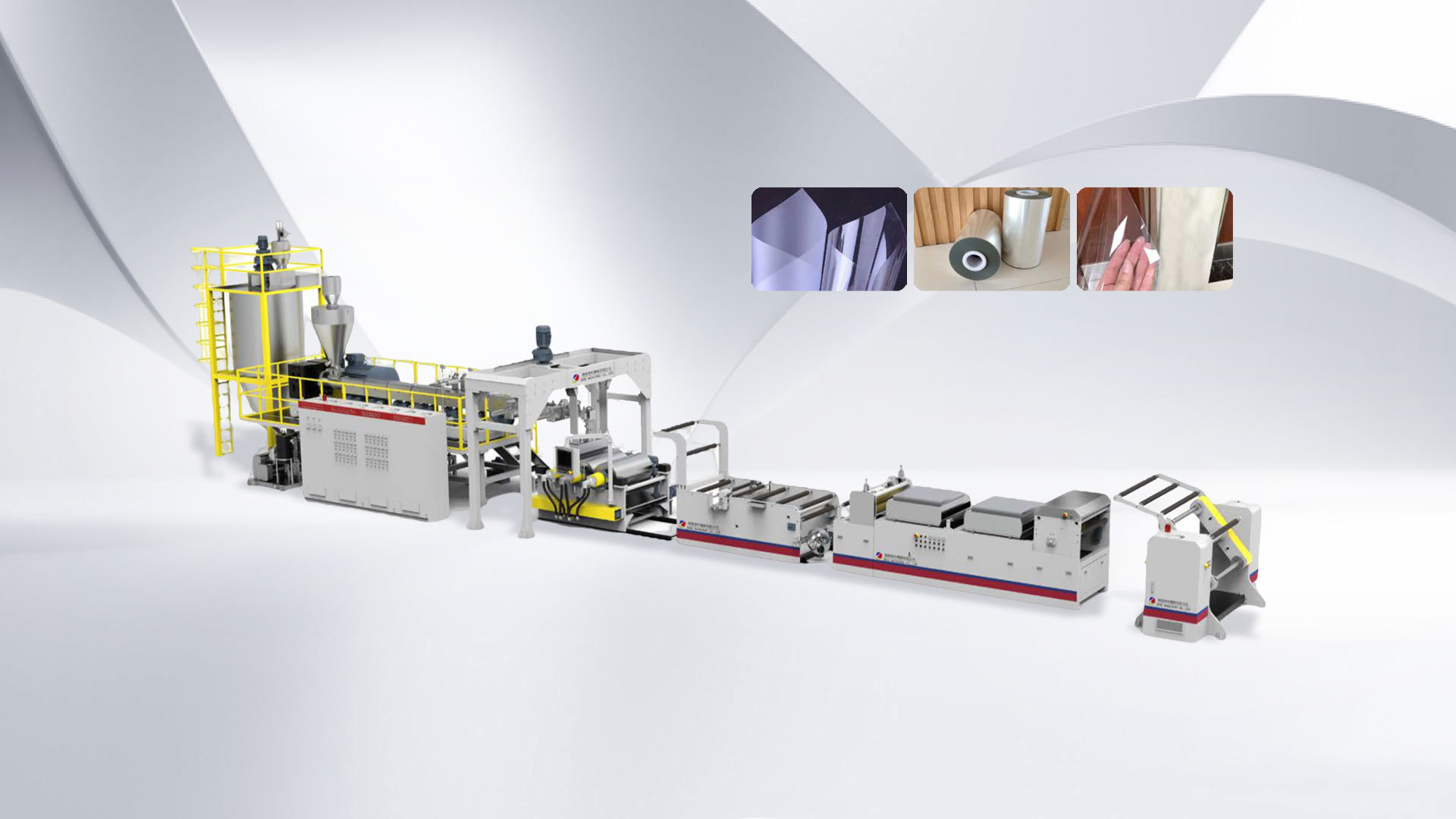
One of the primary advantages of twin screw compounders is their ability to process a wide range of materials. From thermoplastics to thermosets, these machines can accommodate various feedstocks, including powders, pellets, and even liquids. The intermeshing screw configuration facilitates an efficient material flow, ensuring uniform distribution and optimal compounding of additives, fillers, and reinforcements. This versatility enables manufacturers to tailor products to meet specific performance criteria, which is crucial in today’s competitive market.
Another significant benefit of twin screw compounders is their enhanced processing capabilities. The machine's design allows for precise temperature control and pressure management, which are critical for achieving desired material properties. By providing a high level of shear and mixing intensity, twin screw compounders can effectively break down polymers, ensuring thorough dispersion of additives and resulting in superior end products. This is particularly important for applications requiring high-performance characteristics, such as improved strength, durability, and thermal stability.
Moreover, twin screw compounders are renowned for their flexibility and scalability. Manufacturers can easily adjust processing parameters to accommodate different formulations or production scales, making these machines suitable for both small-batch runs and large-volume production. This adaptability is a game-changer for companies looking to innovate rapidly or respond to changing market demands without significant capital investment in new equipment.
In addition to their technical advantages, twin screw compounders contribute to sustainability in the plastics industry. By enabling the efficient use of recycled materials and reducing waste through precise formulations, these machines help manufacturers meet growing environmental regulations and consumer expectations for sustainable practices. The ability to create high-quality products from recycled inputs not only supports circular economy principles but also enhances the overall profitability of production processes.
In conclusion, twin screw compounders represent a remarkable advancement in plastic processing technology. Their unique capabilities and versatility make them an essential tool for manufacturers aiming to produce high-quality polymer compounds efficiently. As the industry continues to evolve, embracing such innovative solutions will be crucial for maintaining a competitive edge and meeting the challenges of a rapidly changing market. Understanding the role and benefits of twin screw compounders can help professionals make informed decisions in their operations, ultimately leading to enhanced productivity and superior product quality.
Previous Page:
RELATED INFORMATION

Why Choose Conical Twin Screw for Your Next Extrusion Project?
Why Choose Conical Twin Screw for Your Next Extrusion Project? Understanding Extrusion Technology In the realm of **plastic processing**, extrusion is an essential manufacturing technique that transforms raw plastic materials into usable products. The **extrusion process** involves forcing molten plastic through a die to create continuous shapes like sheets, films, and profiles. With advancements
Understanding the Advantages of Counter Rotating Twin Screw Extruders for Plastic Processing
Counter rotating twin screw extruders are pivotal in the plastic processing industry, recognized for their versatility and efficiency. Unlike single screw extruders, twin screw extruders feature two intermeshing screws that rotate in opposite directions. This design allows for enhanced material handling and processing capabilities, making them suitable for a wide array of applications. One of the

Website

Copyright©Jieyang Deke Machinery Co., Ltd.