
A Comprehensive Guide to Twin Screw Extruder Operation and Maintenance: Mastering the Art of Efficient Plastic Processing
2025-09
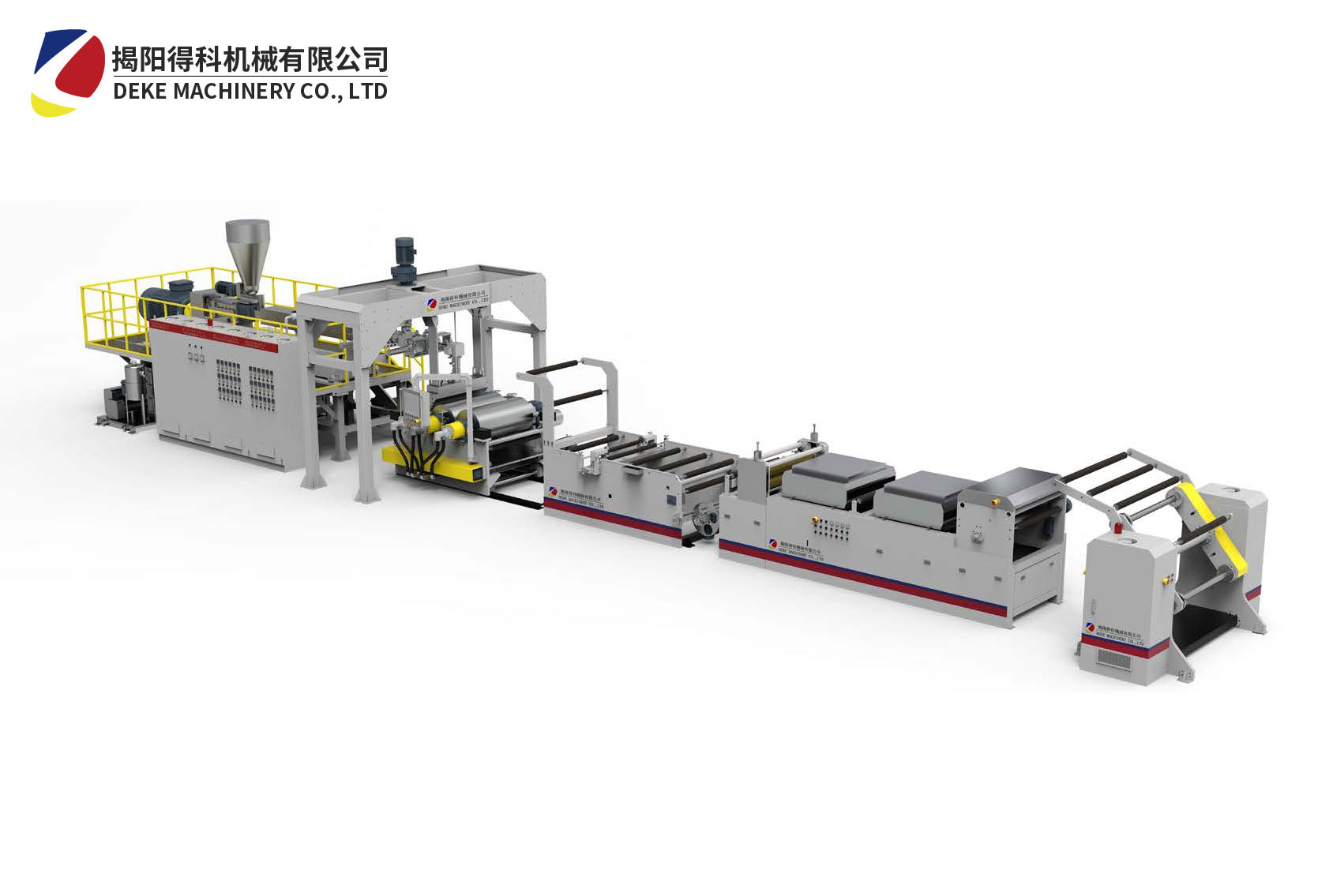
A Comprehensive Guide to Twin Screw Extruder Operation and Maintenance
Table of Contents
- 1. Introduction to Twin Screw Extruders
- 2. Understanding Twin Screw Extruders
- 3. Operation of Twin Screw Extruders
- 4. Maintenance Practices for Twin Screw Extruders
- 5. Safety Considerations in Operation
- 6. Conclusion
- 7. FAQs
1. Introduction to Twin Screw Extruders
In the realm of plastic processing, **twin screw extruders** play a pivotal role in transforming raw materials into usable products. This comprehensive guide aims to equip operators and maintenance personnel with the knowledge necessary to optimize the efficiency and lifespan of these specialized machines.
2. Understanding Twin Screw Extruders
2.1 Mechanical Design and Functionality
Twin screw extruders consist of two intermeshing screws that rotate within a barrel. This design allows for thorough mixing, compounding, and conveying of materials. The precision in their design ensures a uniform flow of materials, which is crucial for achieving high-quality end products.
2.2 Types of Twin Screw Extruders
There are two primary types of twin screw extruders: **counter-rotating** and **co-rotating**. Counter-rotating extruders are ideal for mixing and compounding, while co-rotating extruders are favored for their self-cleaning properties and enhanced material processing capabilities. Understanding these differences will aid operators in selecting the right machine for their specific applications.
3. Operation of Twin Screw Extruders
3.1 Set Up and Startup Procedures
Before operating a twin screw extruder, it is vital to follow a systematic setup procedure. This includes:
- **Checking all components** for wear and tear.
- **Ensuring that all safety guards** are in place.
- **Calibrating temperature settings** based on the material being processed.
- **Loading the feed material** evenly to prevent jamming.
Once these steps are completed, operators can initiate the startup sequence. Gradually increase the temperature and speed settings, monitoring the extruder’s response to ensure proper functioning.
3.2 Key Operational Parameters
To achieve optimal performance, several operational parameters must be controlled:
- **Temperature**: Maintain consistent temperatures across the barrel to facilitate uniform melting.
- **Screw speed**: Adjust the speed based on material viscosity to ensure proper mixing.
- **Feed rate**: Monitor the feed rate to avoid overloading the extruder, which can lead to material degradation.
Regular monitoring of these parameters is essential for maintaining product quality and machine efficiency.
4. Maintenance Practices for Twin Screw Extruders
4.1 Preventative Maintenance Strategies
Preventative maintenance is crucial to prolonging the life of a twin screw extruder. Key strategies include:
- **Regular inspections**: Conduct frequent visual checks for signs of wear, leakage, or misalignment.
- **Lubrication**: Ensure all bearings and moving parts are adequately lubricated to reduce friction and wear.
- **Cleaning**: Implement a routine cleaning schedule to remove any residue that may affect performance.
By adhering to these practices, operators can minimize downtime and reduce the risk of costly repairs.
4.2 Troubleshooting Common Issues
Despite careful maintenance, operators may encounter issues such as:
- **Material blockage**: Often caused by improper feed rates. Adjusting the feed rate can alleviate this problem.
- **Inconsistent product quality**: This may indicate temperature fluctuations or incorrect screw speeds. Regularly calibrating equipment can rectify these issues.
- **Excessive wear on screws**: Monitor the condition of screws and replace them as necessary to prevent operational failures.
Documenting and addressing these common issues promptly will ensure smoother operations.
5. Safety Considerations in Operation
Safety should always be a priority when operating twin screw extruders. Operators must adhere to safety guidelines, which include:
- **Wearing appropriate personal protective equipment (PPE)** such as gloves and safety goggles.
- **Ensuring that emergency stop buttons** are functioning and easily accessible.
- **Conducting safety audits** to identify potential hazards in the workspace.
By fostering a culture of safety, companies can ensure a secure working environment and reduce the risk of accidents.
6. Conclusion
Twin screw extruders are indispensable in the plastic processing industry, offering unparalleled mixing and compounding capabilities. By understanding their operation and adhering to robust maintenance practices, operators can significantly enhance the performance and longevity of these machines. Continuous education on safety and troubleshooting ensures that all personnel are equipped to handle any challenges that may arise.
7. FAQs
What is a twin screw extruder?
A twin screw extruder is a machine that uses two intermeshing screws to process materials, allowing for efficient mixing, compounding, and shaping of plastics.
What are the advantages of twin screw extruders over single screw extruders?
Twin screw extruders provide better mixing capabilities, higher material throughput, and the ability to process a wider range of materials, making them ideal for complex formulations.
How often should I perform maintenance on my twin screw extruder?
Routine inspections should be conducted weekly, with more comprehensive maintenance checks performed monthly or quarterly, depending on the machine's usage.
What types of materials can be processed using a twin screw extruder?
Twin screw extruders are versatile and can process various materials, including polymers, additives, and other compounds used in plastics manufacturing.
Can I troubleshoot issues with my twin screw extruder on my own?
Many common issues can be resolved through basic troubleshooting techniques; however, complex problems may require the expertise of a trained technician.
By following the guidelines presented in this comprehensive guide, operators can ensure the optimal operation and maintenance of twin screw extruders, enhancing productivity and product quality in their plastic processing endeavors.
RELATED INFORMATION

Why Choose Conical Twin Screw for Your Next Extrusion Project?
Why Choose Conical Twin Screw for Your Next Extrusion Project? Understanding Extrusion Technology In the realm of **plastic processing**, extrusion is an essential manufacturing technique that transforms raw plastic materials into usable products. The **extrusion process** involves forcing molten plastic through a die to create continuous shapes like sheets, films, and profiles. With advancements
Understanding the Advantages of Counter Rotating Twin Screw Extruders for Plastic Processing
Counter rotating twin screw extruders are pivotal in the plastic processing industry, recognized for their versatility and efficiency. Unlike single screw extruders, twin screw extruders feature two intermeshing screws that rotate in opposite directions. This design allows for enhanced material handling and processing capabilities, making them suitable for a wide array of applications. One of the

Website

Copyright©Jieyang Deke Machinery Co., Ltd.