
Unlocking the Potential of PLA Sheet Extruder Series for Efficient Plastic Processing
2025-10
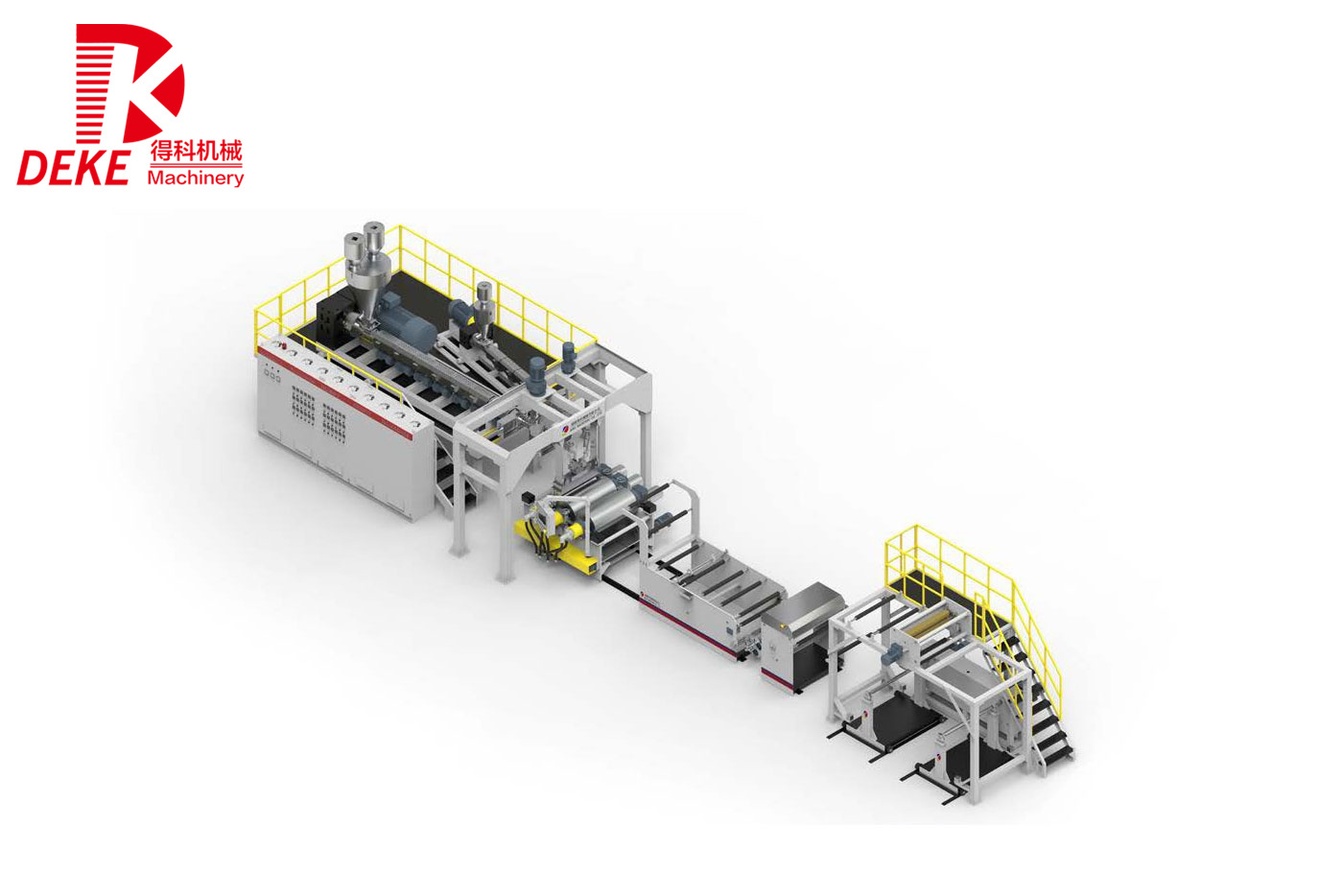
One of the key features of the PLA Sheet Extruder Series is its ability to maintain precise temperature control during the extrusion process. This is crucial for PLA, as it has a lower processing temperature compared to conventional plastics. The extruder is equipped with advanced heating and cooling systems that optimize the extrusion environment, ensuring consistent material quality and preventing degradation of the PLA during processing.
Another important aspect of the PLA Sheet Extruder Series is its versatility. The extruder can be configured to produce sheets of varying thicknesses and widths, catering to specific application requirements. This adaptability makes it a valuable investment for manufacturers looking to diversify their product offerings. Whether producing biodegradable packaging, disposable tableware, or other PLA-based products, the extruder series can be tailored to meet diverse production needs.
Efficiency is a top priority in modern manufacturing, and the PLA Sheet Extruder Series delivers on this front as well. With cutting-edge technology, these extruders feature high throughput rates and low energy consumption, helping manufacturers reduce operational costs. The streamlined design and user-friendly interface also facilitate easy operation and maintenance, minimizing downtime and enhancing productivity.
In addition to its technical advantages, the PLA Sheet Extruder Series supports sustainable manufacturing practices. As businesses increasingly aim to reduce their environmental impact, adopting PLA technology can align with corporate sustainability goals. By utilizing renewable resources and producing biodegradable products, manufacturers not only cater to eco-conscious consumers but also contribute to a more sustainable future.
In conclusion, the PLA Sheet Extruder Series stands out as a game-changer in the plastic processing industry. Its innovative design, efficiency, and commitment to sustainability make it an essential tool for manufacturers looking to enhance their production capabilities while embracing environmentally friendly practices. As the demand for sustainable materials continues to rise, investing in a PLA Sheet Extruder Series could be the key to staying competitive in the market.
RELATED INFORMATION

Why Choose Conical Twin Screw for Your Next Extrusion Project?
Why Choose Conical Twin Screw for Your Next Extrusion Project? Understanding Extrusion Technology In the realm of **plastic processing**, extrusion is an essential manufacturing technique that transforms raw plastic materials into usable products. The **extrusion process** involves forcing molten plastic through a die to create continuous shapes like sheets, films, and profiles. With advancements
Understanding the Advantages of Counter Rotating Twin Screw Extruders for Plastic Processing
Counter rotating twin screw extruders are pivotal in the plastic processing industry, recognized for their versatility and efficiency. Unlike single screw extruders, twin screw extruders feature two intermeshing screws that rotate in opposite directions. This design allows for enhanced material handling and processing capabilities, making them suitable for a wide array of applications. One of the

Website

Copyright©Jieyang Deke Machinery Co., Ltd.