
Understanding the Fundamentals of PET Extrusion Sheet Line Processes
2025-10
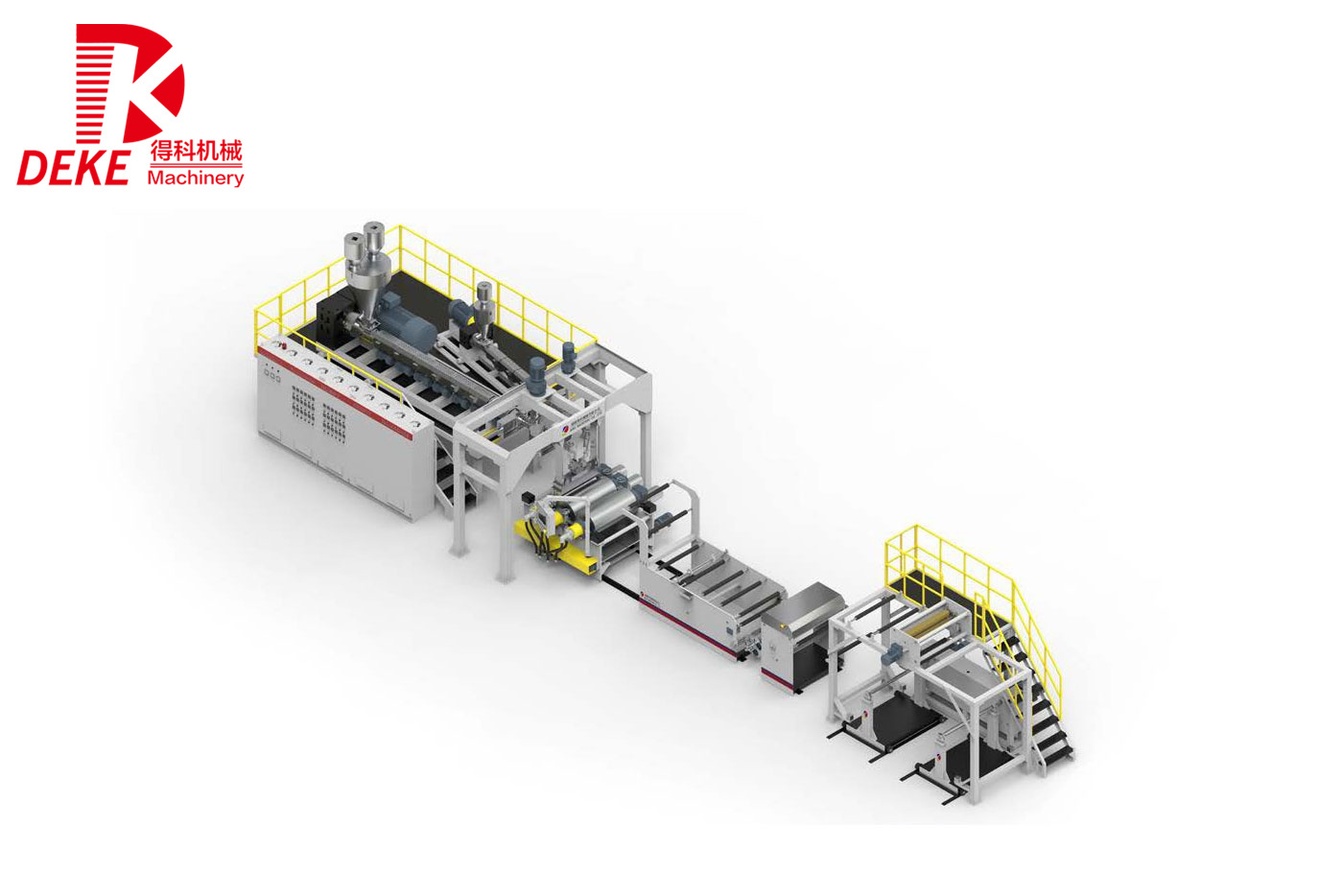
Understanding the Fundamentals of PET Extrusion Sheet Line Processes
Table of Contents
- Introduction to PET Extrusion
- What is PET Extrusion?
- The PET Extrusion Process Explained
- Types of PET Extrusion Machines
- Applications of PET Sheets
- Advantages of PET Extrusion
- Common Challenges in PET Extrusion
- The Future of PET Extrusion Technology
- Frequently Asked Questions
- Conclusion
Introduction to PET Extrusion
Polyethylene Terephthalate (PET) has emerged as one of the most versatile and widely used thermoplastics in the manufacturing industry. Particularly in packaging and industrial applications, understanding PET extrusion sheet line processes is critical for manufacturers looking to enhance production efficiency and product quality. This article provides a thorough exploration of PET extrusion, detailing the processes, machinery, and applications associated with this crucial technology.
What is PET Extrusion?
PET extrusion is a manufacturing process that involves melting and forming PET resin into flat sheets. This transformation enables the production of a variety of products, including containers, packaging materials, and industrial components. The process is characterized by its continuous flow nature, where raw PET pellets are heated, melted, and then forced through a die to create flat sheets.
The PET Extrusion Process Explained
The PET extrusion process can be broken down into several key stages, each playing a vital role in ensuring the quality and efficiency of the final product. Below, we discuss each stage in detail.
Material Preparation
Before the extrusion process begins, the PET pellets must undergo thorough preparation. This stage involves:
- **Drying**: PET has hygroscopic properties, meaning it can absorb moisture from the air. Excessive moisture can lead to hydrolysis during the melting process, adversely affecting the mechanical properties of the final product. Therefore, reliable drying systems are employed to ensure that the pellets contain less than 0.02% moisture content.
- **Additives**: Depending on the intended application, various additives may be mixed with PET to enhance properties such as UV resistance, color, and flexibility. Masterbatches containing colorants or functional additives are typically used for this purpose.
Melting and Extrusion
Once prepared, the PET pellets are fed into the extruder, where the melting and extrusion process takes place:
- **Heating**: The extruder barrel is equipped with heating zones that progressively raise the temperature of the pellets. This controlled heating ensures that the PET reaches its melting point (approximately 260°C) without degradation.
- **Screw Rotation**: The rotating screw within the extruder plays a critical role in transporting and mixing the melted PET. As the screw rotates, it compresses and conveys the material through the barrel, ensuring uniform melting and preventing the formation of hot spots.
- **Die Forming**: The melted PET is then forced through a specially designed die that shapes it into a flat sheet. The die is critical in determining the thickness and width of the final product.
Sheet Cooling
After exiting the die, the hot PET sheet enters the cooling section, where it must be rapidly cooled to solidify. Cooling methods can vary, but commonly involve:
- **Air Cooling**: Ambient air is used to cool the sheet as it moves through a series of rollers. This method is cost-effective and widely used for standard applications.
- **Water Cooling**: In some cases, water is employed to rapidly cool the sheet, especially for thicker gauges where even cooling is crucial to avoid warping.
Cutting and Finishing
Once cooled, the PET sheet is cut to the desired size and undergoes finishing processes, which may include:
- **Trimming**: Edges are trimmed to achieve the required dimensions and ensure a clean finish.
- **Surface Treatment**: Depending on the application, surface treatments such as corona treatment or coatings may be applied to enhance adhesion or printability.
Types of PET Extrusion Machines
The choice of machinery can significantly impact the efficiency and quality of PET sheet production. Common types of PET extrusion machines include:
- **Single-Screw Extruders**: These are the most common type and are suitable for various applications. They are effective for processing standard PET but may struggle with certain additives.
- **Twin-Screw Extruders**: More complex than single-screw models, twin-screw extruders offer better mixing capabilities, making them suitable for a wider range of materials, including those with additives. They are particularly advantageous for producing specialty PET sheets.
- **Co-Extrusion Machines**: For applications requiring multi-layered sheets, co-extrusion machines enable the simultaneous extrusion of different materials, enhancing barrier properties and overall sheet performance.
Applications of PET Sheets
PET sheets produced through extrusion have a vast array of applications across various industries, such as:
- **Packaging**: Due to its excellent clarity and strength, PET is widely used for food containers, blister packs, and shrink films.
- **Electrical and Electronics**: PET sheets are employed in the manufacture of electrical insulation materials and components due to their dielectric properties.
- **Medical Applications**: The biocompatibility and sterilizability of PET make it suitable for medical packaging and devices.
- **Automotive Industry**: Lightweight and durable, PET sheets are increasingly used for interior components, improving fuel efficiency without compromising safety.
Advantages of PET Extrusion
Understanding the benefits of PET extrusion can help manufacturers make informed decisions about adopting this technology:
- **Versatility**: PET can be tailored with various additives to create specific properties, making it suitable for a wide range of applications.
- **Recyclability**: PET is one of the most recycled plastics globally, supporting sustainability initiatives and reducing environmental impact.
- **Cost-Effectiveness**: The extrusion process is efficient and allows for high production rates, leading to lower costs per unit compared to alternative manufacturing methods.
- **High Quality**: With proper control over the extrusion process, manufacturers can achieve consistent quality and performance in the final products.
Common Challenges in PET Extrusion
Despite its advantages, manufacturers may encounter challenges during PET extrusion:
- **Moisture Control**: Inadequate drying can lead to defects in the final product, such as splay or poor mechanical properties.
- **Temperature Management**: Maintaining optimal temperatures throughout the process is crucial. Overheating can lead to degradation, while insufficient heating can result in poor melting.
- **Quality Control**: Variability in raw materials can impact the consistency of the final product. Implementing stringent quality control measures is essential to mitigate this risk.
The Future of PET Extrusion Technology
The PET extrusion industry is poised for continued growth and innovation. Emerging trends include:
- **Sustainable Practices**: Manufacturers are increasingly focusing on sustainable production methods and recycling initiatives, driving demand for eco-friendly PET sheets.
- **Advanced Automation**: The integration of smart technologies and automation in extruder operations is enhancing efficiency and precision, driving down costs and improving product quality.
- **Innovative Applications**: As PET technology evolves, new applications are being developed, particularly in the fields of medical devices and advanced packaging solutions.
Frequently Asked Questions
1. What is the primary use of PET sheets?
PET sheets are primarily used in packaging, electronics, medical applications, and automotive components due to their versatility and durability.
2. How does moisture affect the PET extrusion process?
Excess moisture in PET pellets can lead to hydrolysis during melting, resulting in defects and compromised mechanical properties in the final product.
3. What are the environmental benefits of using PET?
PET is recyclable and can be repurposed into new products, reducing waste and supporting sustainability initiatives in the manufacturing sector.
4. How can we improve the efficiency of the PET extrusion process?
Implementing advanced automation, maintaining optimal temperature controls, and focusing on raw material quality can significantly enhance the efficiency of PET extrusion.
5. Are there any limitations to using PET sheets?
While PET sheets offer numerous advantages, they may not be suitable for all applications due to limitations such as temperature resistance compared to other materials like polycarbonate.
Conclusion
Understanding the intricacies of PET extrusion sheet line processes is essential for manufacturers aiming to optimize their production capabilities. From the initial stages of material preparation to the final cutting and finishing processes, each phase plays a crucial role in determining the quality and efficiency of the final product. As the industry evolves, staying informed about technological advancements and sustainability practices will be vital for future success in the PET extrusion sector. By embracing these insights, manufacturers can enhance their productivity while meeting the growing demands of various applications across multiple industries.
Previous Page:
RELATED INFORMATION

Why Choose Conical Twin Screw for Your Next Extrusion Project?
Why Choose Conical Twin Screw for Your Next Extrusion Project? Understanding Extrusion Technology In the realm of **plastic processing**, extrusion is an essential manufacturing technique that transforms raw plastic materials into usable products. The **extrusion process** involves forcing molten plastic through a die to create continuous shapes like sheets, films, and profiles. With advancements
Understanding the Advantages of Counter Rotating Twin Screw Extruders for Plastic Processing
Counter rotating twin screw extruders are pivotal in the plastic processing industry, recognized for their versatility and efficiency. Unlike single screw extruders, twin screw extruders feature two intermeshing screws that rotate in opposite directions. This design allows for enhanced material handling and processing capabilities, making them suitable for a wide array of applications. One of the

Website

Copyright©Jieyang Deke Machinery Co., Ltd.