
The Crucial Role of Parallel Twin Screw Extruders in Revolutionizing Modern Manufacturing
2025-03
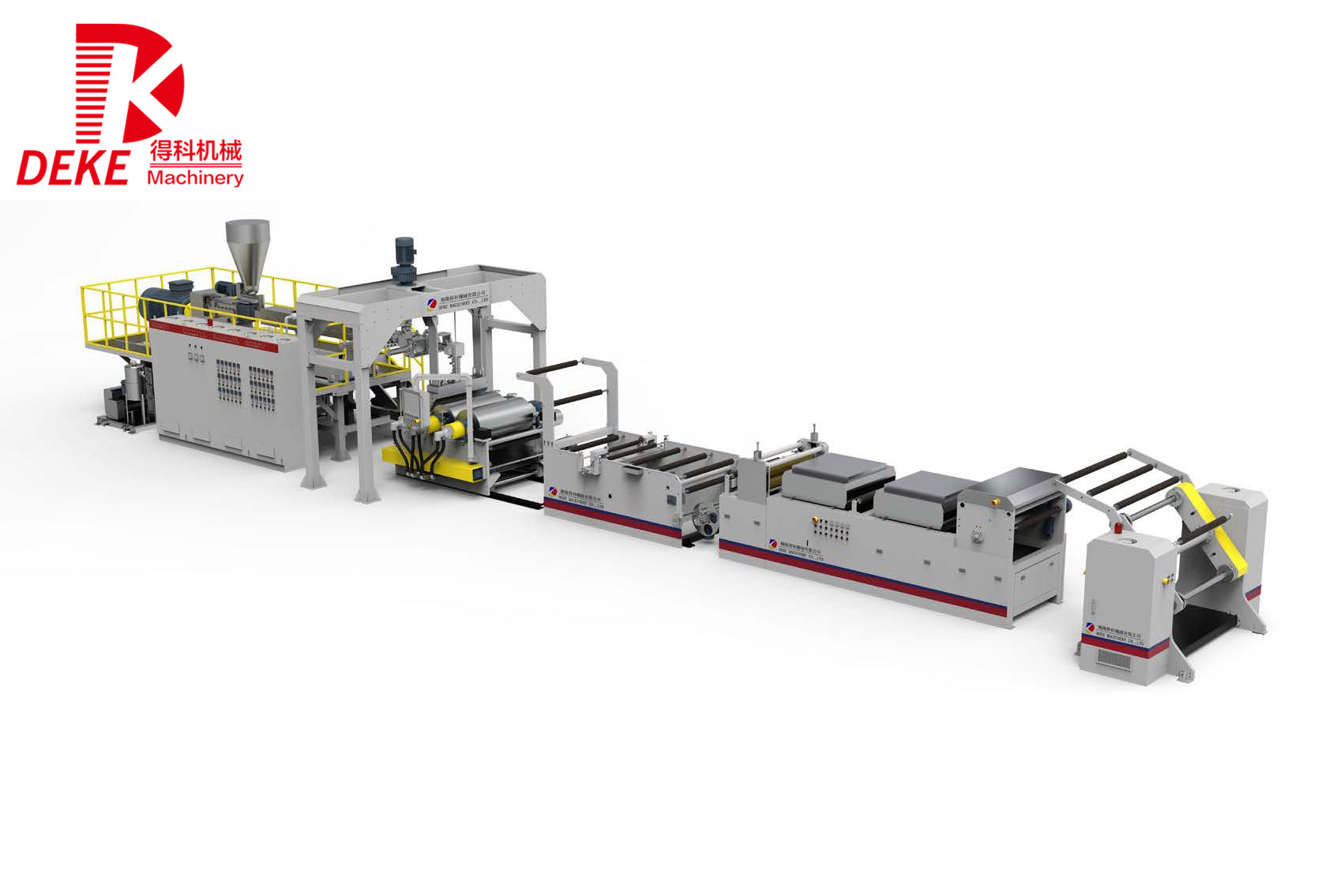
The Crucial Role of Parallel Twin Screw Extruders in Revolutionizing Modern Manufacturing
Table of Contents
1. Introduction to Parallel Twin Screw Extruders
2. Understanding the Mechanism of Operation
3. Key Advantages of Parallel Twin Screw Extruders
3.1 Versatility in Processing
3.2 Improved Mixing Capabilities
3.3 Enhanced Control Over Temperature and Pressure
4. Applications Across Various Industries
4.1 Plastics Industry
4.2 Food Processing
4.3 Pharmaceutical Industry
5. Comparison with Single Screw Extruders
6. The Future of Parallel Twin Screw Extrusion Technology
7. Frequently Asked Questions (FAQs)
8. Conclusion
1. Introduction to Parallel Twin Screw Extruders
In the realm of **manufacturing** and **plastic processing**, parallel twin screw extruders have emerged as a cornerstone technology. They are designed to handle a wide array of materials and are essential for producing high-quality goods with efficiency and precision. Understanding their role in modern manufacturing requires an exploration of their functionality, advantages, and applications across various sectors.
2. Understanding the Mechanism of Operation
Parallel twin screw extruders consist of two parallel screws that rotate in the same direction within a heated barrel. This design enables a continuous flow of materials while ensuring effective mixing and compounding. The geometry of the screws can be tailored based on the desired processing requirements, allowing for **customized throughput** and **optimized material properties**.
The operation begins with raw materials being fed into the extruder, where they are melted and mixed as they progress through the barrel. The combination of heat and shear forces helps in achieving a homogeneous mixture, which is crucial for product quality. As the material exits the extruder, it can be formed into various shapes, such as pellets, sheets, or films, depending on the final application.
3. Key Advantages of Parallel Twin Screw Extruders
Parallel twin screw extruders offer several distinctive advantages that make them preferable in many manufacturing scenarios.
3.1 Versatility in Processing
One of the most significant advantages of parallel twin screw extruders is their **versatility**. They can process a wide range of materials, including thermoplastics, thermosets, and even biopolymers. This capability makes them suitable for various applications, from producing everyday consumer products to high-performance industrial goods.
3.2 Improved Mixing Capabilities
The design of the twin screws facilitates excellent mixing and dispersing of additives within the base material. This is particularly important in applications such as color masterbatches or the incorporation of fillers, where uniformity is essential for product performance. Enhanced mixing ensures that the final product meets stringent industry specifications.
3.3 Enhanced Control Over Temperature and Pressure
Parallel twin screw extruders allow for precise control over processing conditions, including temperature and pressure. This control is critical in preventing thermal degradation of sensitive materials and ensuring optimal processing conditions for different formulations. By maintaining the right conditions, manufacturers can improve product consistency and quality.
4. Applications Across Various Industries
The versatility and efficiency of parallel twin screw extruders have led to their widespread adoption across multiple industries.
4.1 Plastics Industry
In the **plastics industry**, parallel twin screw extruders are used for compounding, blending, and recycling materials. They play a vital role in producing engineered plastics with enhanced properties, such as impact resistance and heat stability. Manufacturers leverage these extruders for developing specialty compounds tailored to specific applications, including automotive and consumer electronics.
4.2 Food Processing
Beyond plastics, these extruders find applications in **food processing**, particularly in producing snacks, cereals, and extruded products. The ability to precisely control temperature and mixing leads to improved flavor and texture in finished goods. Additionally, parallel twin screw extruders can facilitate the incorporation of functional ingredients, such as vitamins and minerals, enhancing the nutritional profile of food products.
4.3 Pharmaceutical Industry
In the **pharmaceutical industry**, parallel twin screw extruders are increasingly employed for the continuous production of solid dosage forms. They enable the efficient mixing of active pharmaceutical ingredients (APIs) with excipients, ensuring uniformity in drug formulations. This technology supports the ongoing trend towards continuous manufacturing, which offers benefits such as reduced production times and improved product consistency.
5. Comparison with Single Screw Extruders
While single screw extruders have their place in manufacturing, parallel twin screw extruders provide distinct advantages that make them more suitable for certain applications.
**Single screw extruders** are generally simpler in design and operation, often making them a cost-effective choice for basic processing tasks. However, they lack the mixing efficiency and versatility offered by their twin screw counterparts. The latter's ability to handle complex formulations and achieve uniform mixing makes them a preferred choice in specialized applications where product quality is paramount.
6. The Future of Parallel Twin Screw Extrusion Technology
As technology continues to advance, parallel twin screw extruders are poised to play an even more significant role in modern manufacturing. Innovations in materials science, automation, and Industry 4.0 principles are expected to enhance their capabilities, leading to smarter, more efficient production processes.
Continuous developments in **screw design** and **barrel technology** will further optimize performance, allowing manufacturers to tackle new challenges and meet evolving market demands. Additionally, as sustainability becomes a central focus, parallel twin screw extruders will be vital in enabling the processing of biodegradable materials and promoting recycling efforts.
7. Frequently Asked Questions (FAQs)
What are parallel twin screw extruders used for?
Parallel twin screw extruders are primarily used for compounding, mixing, and processing various materials, especially in the plastics, food, and pharmaceutical industries.
How do parallel twin screw extruders differ from single screw extruders?
Parallel twin screw extruders have two parallel screws that provide superior mixing and control over processing conditions compared to single screw extruders, which typically have one screw and are simpler in design.
Can parallel twin screw extruders process different materials?
Yes, they are highly versatile and can process a wide range of materials, including thermoplastics, thermosets, and food products.
What are the benefits of using parallel twin screw extruders in food processing?
They enable precise control over temperature and mixing, resulting in improved flavor, texture, and nutritional content in food products.
What advancements can we expect in parallel twin screw extrusion technology?
Future advancements may include enhanced screw designs, automation integration, and improvements in processing capabilities for biomaterials and recyclables.
8. Conclusion
Parallel twin screw extruders are undeniably revolutionizing the landscape of modern manufacturing. Their unique operational mechanisms provide numerous advantages that facilitate the production of high-quality goods across various industries. As technology continues to evolve, these extruders will likely become even more integral to the manufacturing process, enabling innovation and efficiency in ways we are just beginning to explore. Embracing parallel twin screw extruders is not just a trend; it's a strategic move towards securing a competitive edge in an ever-evolving market.
RELATED INFORMATION

Why Choose Conical Twin Screw for Your Next Extrusion Project?
Why Choose Conical Twin Screw for Your Next Extrusion Project? Understanding Extrusion Technology In the realm of **plastic processing**, extrusion is an essential manufacturing technique that transforms raw plastic materials into usable products. The **extrusion process** involves forcing molten plastic through a die to create continuous shapes like sheets, films, and profiles. With advancements
Understanding the Advantages of Counter Rotating Twin Screw Extruders for Plastic Processing
Counter rotating twin screw extruders are pivotal in the plastic processing industry, recognized for their versatility and efficiency. Unlike single screw extruders, twin screw extruders feature two intermeshing screws that rotate in opposite directions. This design allows for enhanced material handling and processing capabilities, making them suitable for a wide array of applications. One of the

Website

Copyright©Jieyang Deke Machinery Co., Ltd.