
Understanding the Benefits of Parallel Twin Screw Extruders in Plastic Processing
2025-03
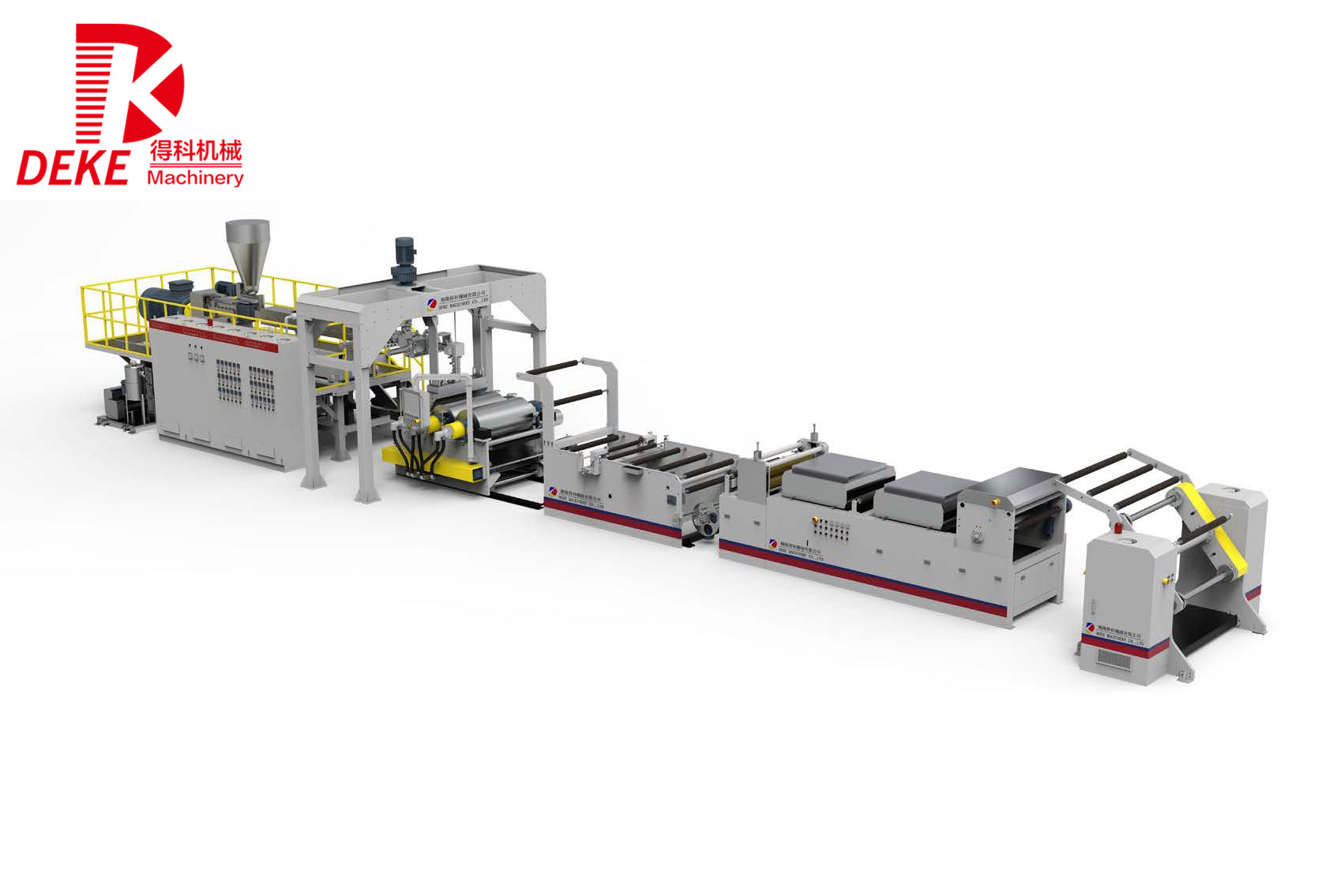
One of the standout characteristics of parallel twin screw extruders is their ability to handle a wide range of materials. This versatility allows manufacturers to work with various polymers, additives, and fillers, making it an ideal choice for diverse applications—from food packaging to automotive components. The precise temperature control and shear rate management offered by these extruders aid in optimizing the processing of different material compositions.
Moreover, the parallel configuration of the screws facilitates a high degree of mixing and venting capabilities. This is particularly beneficial when dealing with materials that require thorough blending or when moisture removal is necessary. The ability to provide effective degassing during the extrusion process helps in producing high-quality end products and reduces the risk of defects caused by trapped moisture.
In terms of operational efficiency, parallel twin screw extruders can significantly reduce processing times compared to single screw extruders. The continuous feeding and mixing action allow for a more streamlined workflow, which can lead to increased productivity. Additionally, the modular design of these machines often allows for easy customization and scalability, enabling manufacturers to adapt to varying production needs.
Another advantage is the enhanced control over the extrusion process. With advanced automation and monitoring systems, operators can achieve higher precision in parameters such as temperature and screw speed. This level of control ensures consistent product quality and minimizes material waste, thereby optimizing resource utilization.
Maintenance and operational costs are also important considerations. Although the initial investment in parallel twin screw extruders may be higher than traditional options, their long-term benefits often outweigh these costs. The robust construction and durability of these machines contribute to lower downtime and maintenance expenses, making them a sound investment for businesses aiming for sustained growth.
In conclusion, the parallel twin screw extruder represents a significant innovation in plastic processing machinery. Its ability to handle diverse materials, combined with enhanced mixing, rapid processing times, and rigorous control over production parameters, positions it as a superior choice for manufacturers seeking to improve their operational efficiency and product quality. For those in the plastic processing industry, understanding and utilizing this technology can lead to substantial competitive advantages.
RELATED INFORMATION

Why Choose Conical Twin Screw for Your Next Extrusion Project?
Why Choose Conical Twin Screw for Your Next Extrusion Project? Understanding Extrusion Technology In the realm of **plastic processing**, extrusion is an essential manufacturing technique that transforms raw plastic materials into usable products. The **extrusion process** involves forcing molten plastic through a die to create continuous shapes like sheets, films, and profiles. With advancements
Understanding the Advantages of Counter Rotating Twin Screw Extruders for Plastic Processing
Counter rotating twin screw extruders are pivotal in the plastic processing industry, recognized for their versatility and efficiency. Unlike single screw extruders, twin screw extruders feature two intermeshing screws that rotate in opposite directions. This design allows for enhanced material handling and processing capabilities, making them suitable for a wide array of applications. One of the

Website

Copyright©Jieyang Deke Machinery Co., Ltd.