
The Role of Compounding Twin Screw Extruders in Enhancing Material Properties
2025-03
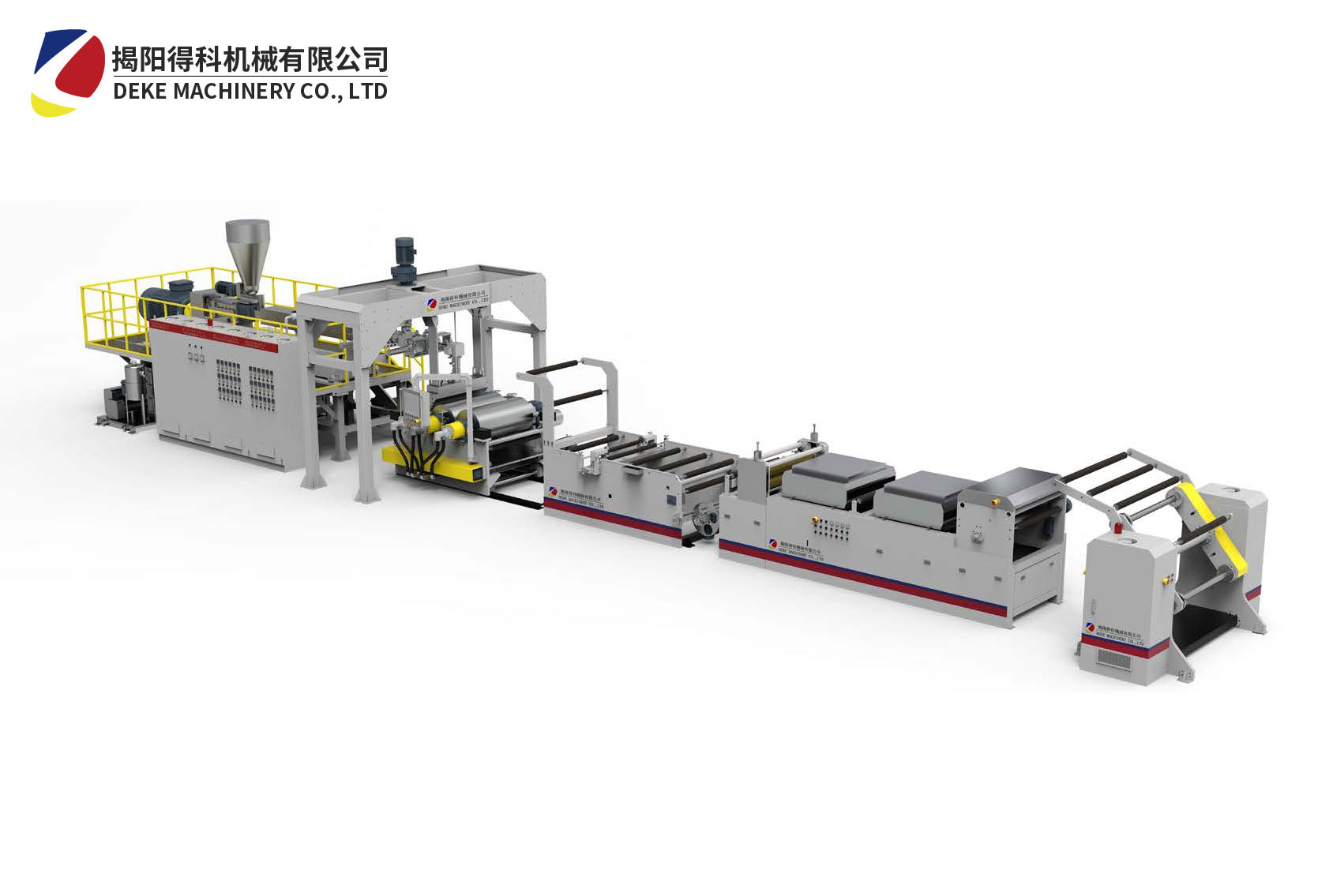
The Role of Compounding Twin Screw Extruders in Enhancing Material Properties
Introduction to Compounding Twin Screw Extruders
Compounding twin screw extruders are essential machines in the field of material processing, particularly within the plastics industry. Their unique design and operational capabilities allow for effective mixing, melting, and shaping of polymers. This article explores how these machines enhance material properties, providing insights into their functionality, advantages, and applications.
Understanding the Basics of Twin Screw Extrusion
What is Twin Screw Extrusion?
At its core, twin screw extrusion involves the use of two intermeshing screws that rotate within a heated barrel. This configuration facilitates the efficient processing of materials, allowing for a uniform melting and mixing of polymers. The intermeshing design enables intense shear forces, essential for the compounding process.
How Do Compounding Twin Screw Extruders Work?
Compounding twin screw extruders operate by feeding raw materials into the machine, where they are subjected to heat and mechanical shear. The screws' design allows for a variety of operations, including:
- **Mixing**: Combines different polymers or additives uniformly.
- **Heating and Cooling**: Regulates temperature for optimal processing.
- **Ventilation**: Removes volatiles and moisture, enhancing the material quality.
The Significance of Material Properties in Manufacturing
Material properties are critical when developing products in various industries. Characteristics such as strength, flexibility, and thermal stability directly affect the end product's performance. By optimizing these properties, manufacturers can deliver higher-quality products that meet consumer demands.
Enhancing Material Properties with Compounding Twin Screw Extruders
Improved Mechanical Properties
Compounding twin screw extruders significantly enhance mechanical properties like tensile strength and impact resistance. By allowing for precise control of the mixing process, these machines enable the incorporation of reinforcing agents, such as fiberglass or carbon fibers, which bolster the material's overall strength.
Enhanced Thermal Stability
The ability to finely tune the thermal properties of materials is another vital benefit of using compounding twin screw extruders. The controlled temperature environment ensures that polymers maintain their structural integrity during processing, leading to better thermal stability in the final product.
Optimized Flow Characteristics
Flow properties impact how materials behave during processing and application. Compounding twin screw extruders facilitate the adjustment of viscosity and flow rates, ensuring materials process smoothly through downstream equipment. This optimization minimizes defects and improves overall production efficiency.
Applications of Compounding Twin Screw Extruders
In the Plastics Industry
Compounding twin screw extruders are predominantly used in the plastics industry for applications such as:
- **Masterbatch Production**: Creating concentrated mixtures of pigments and additives for coloring plastics.
- **Polymer Blending**: Combining different polymer grades to achieve desired performance characteristics.
- **Recycling**: Processing post-consumer plastics to create high-quality recycled materials.
In the Rubber Industry
These extruders also find applications in the rubber industry, where they are used to mix rubber compounds and additives, ensuring uniform dispersion and optimized properties for products like tires and seals.
Advantages of Using Compounding Twin Screw Extruders
Versatility in Processing
One of the primary advantages of compounding twin screw extruders is their versatility. They can process a wide range of materials, including thermoplastics, thermosets, and elastomers. This flexibility allows manufacturers to adapt to changing market demands quickly.
Efficiency and Cost-Effectiveness
The efficiency of twin screw extruders translates into lower production costs. By reducing processing time and minimizing material waste, manufacturers can achieve higher output rates without compromising quality.
Advanced Control Systems
Modern compounding twin screw extruders are equipped with sophisticated control systems that monitor processing parameters in real-time. This capability ensures consistent product quality and enhances the ability to troubleshoot any issues that may arise during production.
Challenges and Considerations in Using Twin Screw Extruders
Material Compatibility
While twin screw extruders offer numerous benefits, compatibility between materials is crucial. Manufacturers must carefully select polymers and additives to ensure optimal blending and performance.
Maintenance and Upkeep
Regular maintenance of twin screw extruders is vital to ensure longevity and consistent performance. Operators must be trained to perform routine checks and address wear and tear promptly.
Future Trends in Compounding Twin Screw Extrusion Technology
The landscape of compounding twin screw extruders continues to evolve, with advancements in technology leading to improved performance and capabilities. Emerging trends include:
- **Increased Automation**: Enhancements in automation technology help streamline the production process, reducing manual intervention.
- **Sustainability Efforts**: There is a growing focus on developing eco-friendly materials and processes, with twin screw extruders playing a pivotal role in recycling and reprocessing initiatives.
FAQs About Compounding Twin Screw Extruders
1. What are the primary applications of compounding twin screw extruders?
Compounding twin screw extruders are widely used in the plastics and rubber industries for applications like masterbatch production, polymer blending, and recycling.
2. How do compounding twin screw extruders improve material properties?
These machines enhance material properties by allowing precise control over mixing, temperature, and shear forces, leading to improved mechanical, thermal, and flow characteristics.
3. What challenges do manufacturers face when using twin screw extruders?
Manufacturers may encounter challenges such as material compatibility issues and the need for regular maintenance to ensure optimal performance.
4. How do compounding twin screw extruders contribute to sustainability?
These machines facilitate recycling processes and the development of eco-friendly materials, contributing to sustainability efforts in the manufacturing sector.
5. What advancements can we expect in twin screw extrusion technology in the future?
Future trends may include increased automation, enhanced control systems, and a focus on sustainable material processing solutions.
Conclusion
Compounding twin screw extruders play a pivotal role in enhancing material properties, making them indispensable in the manufacturing landscape. Their ability to improve mechanical strength, thermal stability, and processing efficiency sets them apart as a vital technology in the plastics and rubber industries. As the industry continues to evolve, the importance of these machines will only grow, shaping the future of material processing and production. By understanding their functionalities and applications, manufacturers can leverage compounding twin screw extruders to deliver high-quality products that meet the demands of a competitive market.
Previous Page:
RELATED INFORMATION

Why Choose Conical Twin Screw for Your Next Extrusion Project?
Why Choose Conical Twin Screw for Your Next Extrusion Project? Understanding Extrusion Technology In the realm of **plastic processing**, extrusion is an essential manufacturing technique that transforms raw plastic materials into usable products. The **extrusion process** involves forcing molten plastic through a die to create continuous shapes like sheets, films, and profiles. With advancements
Understanding the Advantages of Counter Rotating Twin Screw Extruders for Plastic Processing
Counter rotating twin screw extruders are pivotal in the plastic processing industry, recognized for their versatility and efficiency. Unlike single screw extruders, twin screw extruders feature two intermeshing screws that rotate in opposite directions. This design allows for enhanced material handling and processing capabilities, making them suitable for a wide array of applications. One of the

Website

Copyright©Jieyang Deke Machinery Co., Ltd.