
Difference Between Twin Screw Extruder and Single Screw Extruder
2024-09
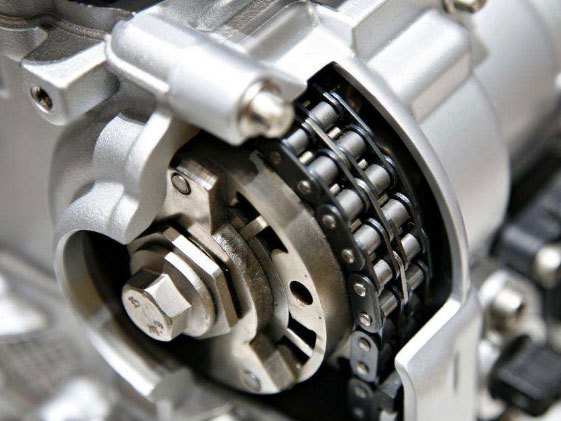
The difference between twin screw extruder and single screw extruder is mainly reflected in the following two aspects.
How the material is conveyed
In the single screw extruder, the friction drag is in the solid conveying section, and the viscous drag is in the melt conveying section. The tribological properties of the solid material and the viscosity of the molten material determine the conveying behavior. If some materials have poor friction performance, if the feeding problem is not solved, it is more difficult to feed the materials into the single screw extruder. In twin-screw extruders, especially intermeshing twin-screw extruders, the transfer of the material is to some extent positive displacement transfer, the degree of positive displacement depends on the degree of proximity of the spiral edge of one screw to the opposite groove of the other screw. The screw geometry of the closely meshing counter-rotating extruder can give a high degree of positive displacement conveying characteristics.
Flow velocity field of material
At present, the flow velocity distribution of materials in single-screw extruders has been described quite clearly, while the flow velocity distribution of materials in twin-screw extruders is quite complex and difficult to describe. Many researchers just do not consider the material flow in the meshing area to analyze the material flow velocity field, but these analysis results are very different from the actual situation. Since the mixing characteristics and the overall behavior of a twin-screw extruder mainly depend on the leakage flow occurring in the meshing zone, however, the flow situation in the meshing zone is rather complicated. The complex flow spectrum of the materials in the twin-screw extruder shows the advantages that the single-screw extruder cannot match on the macro level, such as sufficient mixing, good heat transfer, large melting ability, strong exhaust ability and good temperature control of the materials.
Previous Page:
Next page:
RELATED INFORMATION

Why Choose Conical Twin Screw for Your Next Extrusion Project?
Why Choose Conical Twin Screw for Your Next Extrusion Project? Understanding Extrusion Technology In the realm of **plastic processing**, extrusion is an essential manufacturing technique that transforms raw plastic materials into usable products. The **extrusion process** involves forcing molten plastic through a die to create continuous shapes like sheets, films, and profiles. With advancements
Understanding the Advantages of Counter Rotating Twin Screw Extruders for Plastic Processing
Counter rotating twin screw extruders are pivotal in the plastic processing industry, recognized for their versatility and efficiency. Unlike single screw extruders, twin screw extruders feature two intermeshing screws that rotate in opposite directions. This design allows for enhanced material handling and processing capabilities, making them suitable for a wide array of applications. One of the
Website

Copyright©Jieyang Deke Machinery Co., Ltd.