
The Critical Importance of Quality Control in PET Extrusion Sheet Line Production
2025-10
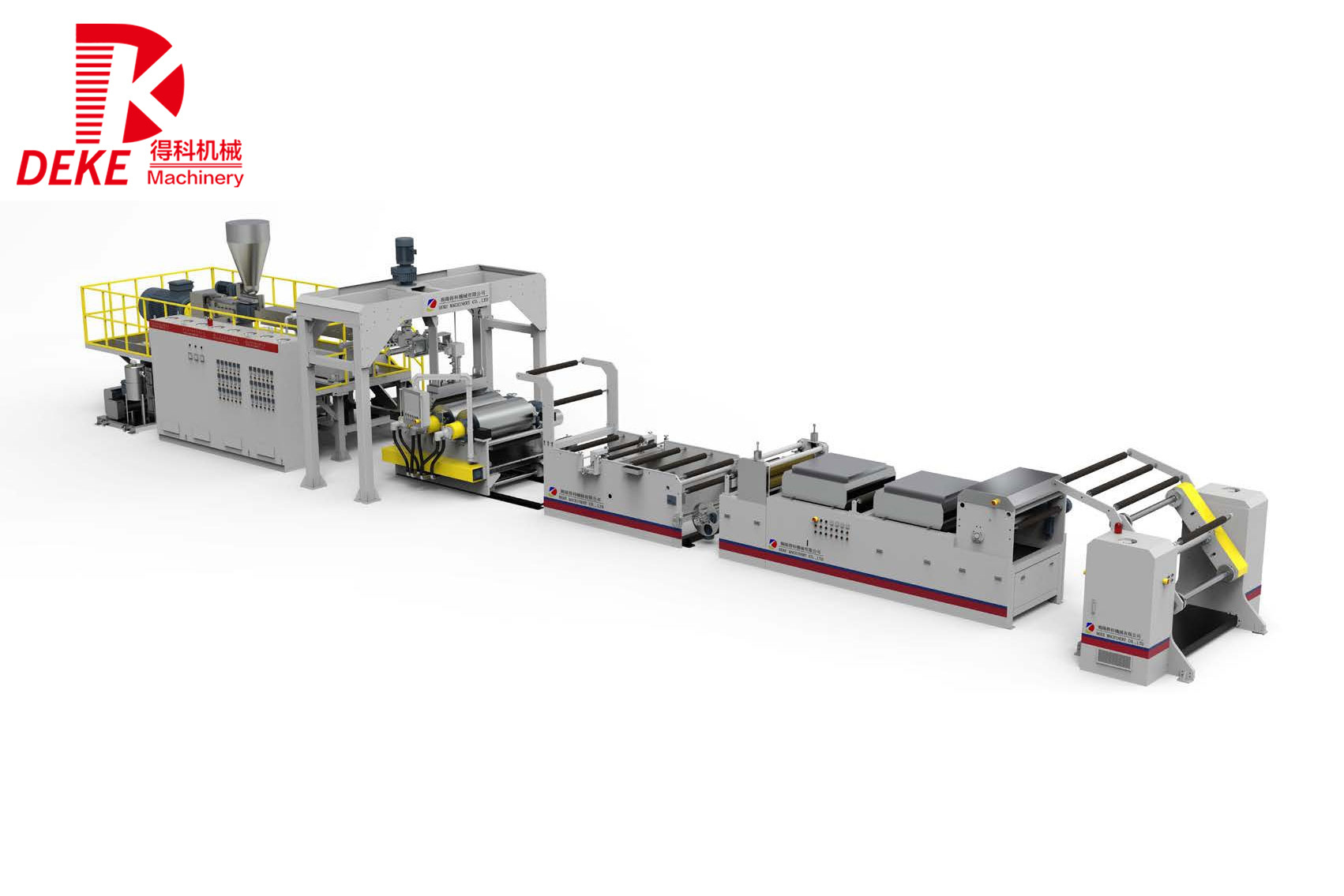
The Critical Importance of Quality Control in PET Extrusion Sheet Line Production
Production lines in the realm of plastic processing machinery, particularly those dealing with PET (polyethylene terephthalate) extrusion sheet lines, require meticulous oversight to ensure that the end products meet stringent quality standards. The role of **quality control** is paramount in this process, influencing everything from raw material selection to the final inspection of the sheets produced. In this article, we will delve deep into the pivotal role of quality control in PET extrusion sheet line production, exploring its practices, challenges, and the best strategies to maintain high standards.
Table of Contents
1. Introduction to PET Extrusion Sheet Production
2. The Importance of Quality Control in Production
3. Key Components of Quality Control in PET Production
- 3.1 Raw Materials Inspection
- 3.2 Process Monitoring and Control
- 3.3 Final Product Evaluation
4. Common Quality Issues in PET Extrusion
5. Strategies for Effective Quality Control
- 5.1 Training and Development of Staff
- 5.2 Technological Advancements in Quality Control
- 5.3 Ensuring Regulatory Compliance
6. Benefits of Strong Quality Control in PET Extrusion
7. Case Studies: Success Stories in Quality Control
8. Conclusion
9. FAQs
Introduction to PET Extrusion Sheet Production
PET is a versatile thermoplastic polymer that is widely used in various applications, including packaging, textiles, and automotive components. In the production of PET extrusion sheets, the process involves melting PET resin pellets and forcing them through a die to create a continuous sheet. The sheet is then cooled and cut to desired dimensions. Ensuring that each stage of production adheres to strict quality standards is vital for achieving superior product performance. This is where **quality control** comes into play.
The Importance of Quality Control in Production
Quality control serves as the backbone of any manufacturing operation, particularly in the PET extrusion process. By consistently monitoring each stage of production, manufacturers can detect defects early, reduce waste, and enhance operational efficiency. Quality control not only guarantees the integrity of the product but also instills trust in customers, fostering long-term business relationships. The importance of quality control can be summarized in the following key points:
- **Consistency**: Ensures that every sheet produced meets the same high standards, leading to greater customer satisfaction.
- **Cost-Effectiveness**: Reduces the costs associated with waste and rework by identifying issues early in the production cycle.
- **Compliance**: Helps manufacturers adhere to industry regulations and standards, avoiding potential fines and reputational damage.
Key Components of Quality Control in PET Production
Effective quality control in PET extrusion sheet production encompasses several critical components, each aimed at ensuring that the final product meets the required specifications.
Raw Materials Inspection
Quality control begins with the inspection of raw materials. Prior to production, it's essential to verify that the PET resin meets the necessary specifications regarding purity, viscosity, and color. Implementing rigorous testing protocols, such as:
- **Material Testing**: Evaluating the physical and chemical properties of the resin.
- **Supplier Audits**: Regularly assessing suppliers to ensure they consistently provide quality materials.
These steps help safeguard the production process from the outset.
Process Monitoring and Control
Once production begins, monitoring the extrusion process is crucial. Key parameters such as temperature, pressure, and speed must be meticulously controlled. Utilizing advanced monitoring systems allows for:
- **Real-Time Data Analysis**: Capturing data throughout the production process to identify trends and anomalies.
- **Automated Adjustments**: Making real-time adjustments to maintain optimal processing conditions.
This proactive approach is key to preventing quality issues before they arise.
Final Product Evaluation
After production, conducting a thorough evaluation of the final product is essential. This involves testing samples for critical attributes such as thickness, tensile strength, and optical clarity. Implementing a robust quality assurance program helps ensure:
- **Standard Compliance**: All products meet industry standards and customer specifications.
- **Defect Identification**: Detecting any defects that may have occurred during production, allowing for corrective measures.
Common Quality Issues in PET Extrusion
Despite stringent quality control measures, several common issues can arise in PET extrusion sheet production, including:
- **Surface Defects**: Issues such as scratches, bubbles, or discoloration can occur during the extrusion process.
- **Dimensional Tolerances**: Variances in thickness or width can lead to products that do not meet specifications.
- **Mechanical Properties**: Changes in temperature or pressure can affect the strength and flexibility of the sheets.
Identifying and addressing these issues promptly is crucial for maintaining product quality.
Strategies for Effective Quality Control
To enhance quality control in PET extrusion, manufacturers can implement several key strategies.
Training and Development of Staff
Investing in the training and development of staff is vital. Employees should be well-versed in quality control processes and the importance of their role in maintaining high standards. Regular training sessions can cover:
- **Quality Control Techniques**: Familiarizing staff with various testing and inspection methodologies.
- **Problem-Solving Skills**: Empowering employees to identify and rectify issues proactively.
Technological Advancements in Quality Control
Integrating the latest technologies can significantly enhance quality control processes. Options such as:
- **Machine Learning Algorithms**: Utilizing AI for predictive maintenance and quality assessment.
- **Automated Inspection Systems**: Implementing technology for real-time quality checks can vastly improve efficiency.
These advancements can lead to quicker detection of quality issues and more efficient production.
Ensuring Regulatory Compliance
Adhering to industry regulations is non-negotiable. Regular audits and compliance checks help ensure that production processes align with standards set forth by governing bodies. This not only protects the company from potential fines but also reinforces the commitment to quality.
Benefits of Strong Quality Control in PET Extrusion
The advantages of implementing robust quality control measures in PET extrusion sheet production are numerous:
- **Increased Customer Satisfaction**: Delivering high-quality products leads to repeat business and customer loyalty.
- **Reduced Production Costs**: Identifying issues early reduces waste, rework, and the costs associated with defective products.
- **Enhanced Reputation**: A commitment to quality establishes a positive reputation in the marketplace, attracting new customers and clients.
Case Studies: Success Stories in Quality Control
Examining successful quality control implementations can provide valuable insights. For instance, a leading PET manufacturer faced significant quality inconsistency issues. By integrating advanced monitoring systems and investing in staff training, they managed to reduce defects by over 30% within a year. This not only improved their product quality but also significantly decreased production costs. Such success stories underscore the importance of adapting and evolving quality control practices.
Conclusion
Quality control plays a vital role in the successful operation of PET extrusion sheet production lines. By implementing rigorous inspection protocols, maintaining process control, and fostering a culture of quality, manufacturers can deliver superior products that meet customer expectations. As the industry continues to evolve, investing in quality control will remain essential for achieving operational excellence and sustaining competitive advantage.
FAQs
1. **What is PET, and why is it used for extrusion sheets?**
PET is a thermoplastic polymer known for its strength and durability, making it ideal for various applications, including packaging and construction materials.
2. **What are the common quality issues faced during PET extrusion?**
Common issues include surface defects, dimensional tolerances, and inconsistencies in mechanical properties.
3. **How can I ensure the quality of raw materials used in PET extrusion?**
Implement rigorous testing and supplier audits to ensure that all raw materials meet required specifications.
4. **What role does technology play in enhancing quality control?**
Advanced technologies like machine learning and automated inspection systems can significantly improve the monitoring and assessment of product quality.
5. **Why is staff training essential for quality control in PET extrusion?**
Well-trained employees are better equipped to identify and address quality issues, ultimately leading to improved product standards and operational efficiency.
RELATED INFORMATION

How PET Sheet Extruders Revolutionize Plastic Processing Machinery
How PET Sheet Extruders Revolutionize Plastic Processing Machinery Table of Contents Introduction to PET Sheet Extruders Understanding Plastic Processing Machinery The Technology Behind PET Sheet Extruders Advantages of Using PET Sheet Extruders Sustainability in Plastic Manufacturing Applications of PET Sheets in Various Industries Future Trends in PET Sheet Extrusion
PET sheet extruder machines play a crucial role in the field of plastic processing, specifically in the production of polyethylene terephthalate (PET) sheets. These machines are designed to melt and extrude PET resin into sheets of varying thickness, which are then used in a variety of applications such as packaging, construction, and consumer goods. Understanding how these machines work and their
Website

Copyright©Jieyang Deke Machinery Co., Ltd.