
Troubleshooting Common Issues in Twin Screw Extruder Compounding Processes
2025-10
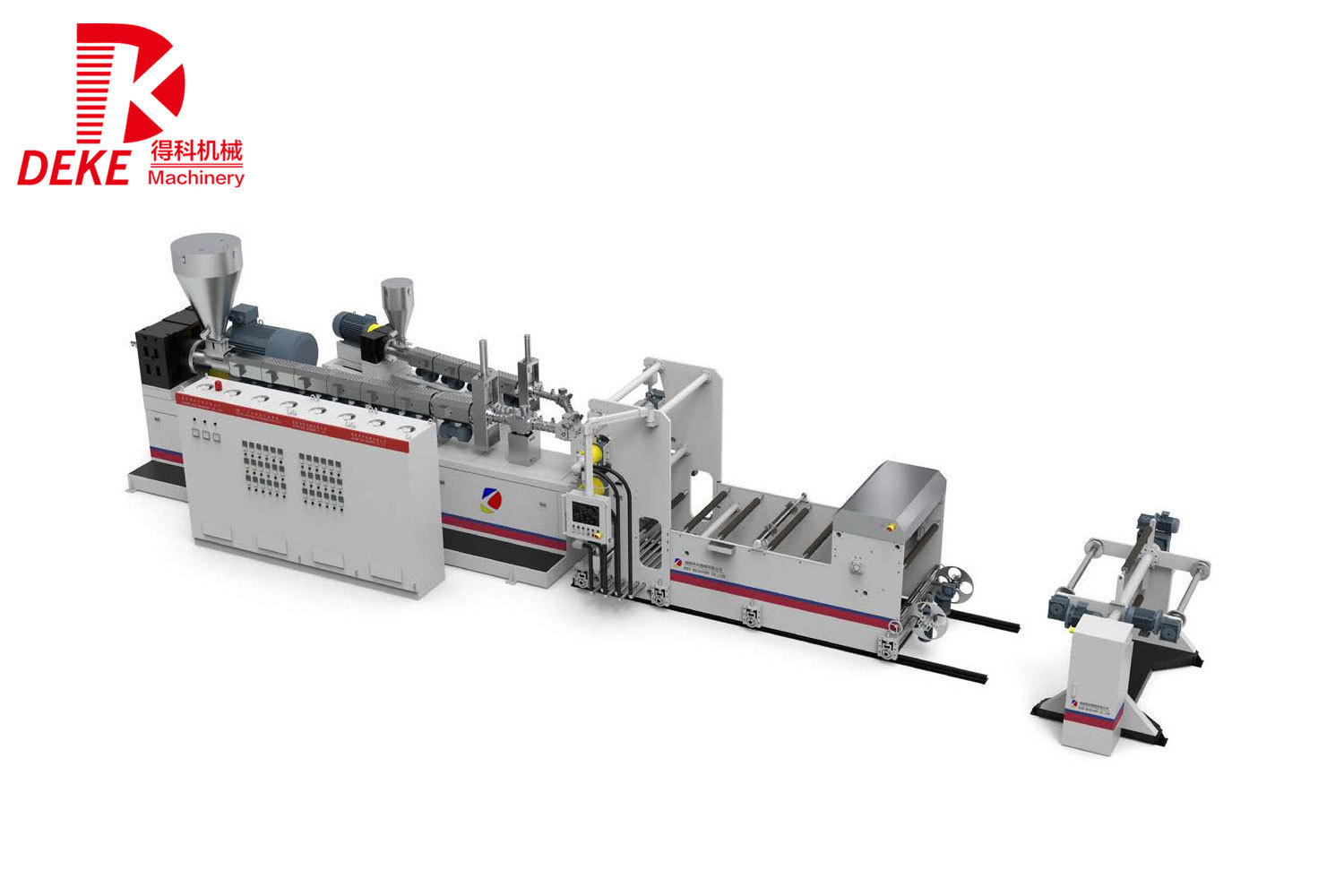
Troubleshooting Common Issues in Twin Screw Extruder Compounding Processes
Table of Contents
- Introduction to Twin Screw Extruders
- Common Issues in Twin Screw Extruder Processes
- Material Feed Issues
- Temperature Fluctuations
- Melt Fracture Problems
- Viscosity Variations
- Blockages and Jams
- Effective Troubleshooting Techniques
- Preventative Measures for Smooth Operations
- Conclusion
- FAQs
Introduction to Twin Screw Extruders
Twin screw extruders play a crucial role in the manufacturing and compounding of plastics, enabling the blending and processing of materials with precision. Their design allows for efficient mixing, heating, and cooling, which is essential for achieving the desired properties in the final product. However, like any sophisticated machinery, twin screw extruders can encounter issues that hinder their performance. This guide is designed to provide an in-depth exploration of common problems faced during compounding processes and effective strategies for troubleshooting them.
Common Issues in Twin Screw Extruder Processes
Understanding the common issues that can arise during the operation of twin screw extruders is the first step towards effective troubleshooting and optimization.
Material Feed Issues
Material feed problems can significantly affect the efficiency of the compounding process. These may include inconsistent feed rates or blockages within the feeding system. Causes can vary from moisture content in the materials to the physical characteristics of the feedstock. Regular monitoring of feed rates and ensuring uniform particle size can mitigate these issues.
Temperature Fluctuations
Temperature control is paramount for successful compounding. Fluctuations can lead to improper melting or degradation of materials. Factors contributing to temperature variations include inadequate cooling or heating systems, incorrect settings, or malfunctioning temperature sensors. Implementing a robust temperature control system and regularly calibrating sensors can help maintain consistent processing temperatures.
Melt Fracture Problems
Melt fracture occurs when the polymer material exhibits surface defects during the extrusion process. This issue can be attributed to excessive shear rates, temperature variations, or improper material formulations. To address melt fractures, it is vital to evaluate the screw design, adjust processing parameters, and select appropriate materials to ensure optimal flow characteristics.
Viscosity Variations
Viscosity is a critical property that affects the flow characteristics of the material being processed. Variability in viscosity can lead to inconsistent product quality. Factors such as moisture content, differing material grades, or incorrect mixing ratios can influence viscosity. Regular viscosity testing and adjustments to material formulations can help stabilize the process.
Blockages and Jams
Blockages in the extruder can cause significant disruptions in production. These may result from material buildup due to inadequate cleaning or inappropriate feedstock. To prevent blockages, it is essential to conduct routine maintenance, implement effective cleaning protocols, and ensure the use of compatible materials during the compounding process.
Effective Troubleshooting Techniques
When issues arise in twin screw extruder operations, employing systematic troubleshooting techniques is essential for identifying and resolving problems efficiently.
Visual Inspection
Conducting a thorough visual inspection of the twin screw extruder can provide valuable insights into potential issues. Look for signs of wear and tear, overheating, or material buildup that can hinder performance. Regular inspections help in early detection of problems, enabling timely interventions.
Data Analysis
Utilizing data analytics tools can significantly enhance troubleshooting efforts. Monitoring key performance indicators (KPIs) such as temperature, pressure, and material feed rates allows operators to identify trends and anomalies. Analyzing data over time can lead to the identification of recurring issues and inform operational adjustments.
Operator Training
Investing in operator training is a proactive approach to minimizing issues in twin screw extruder operations. Well-trained operators can quickly identify problems and make informed decisions to rectify them. Continuous education on best practices and troubleshooting techniques can foster a culture of safety and efficiency.
Preventative Measures for Smooth Operations
Prevention is always better than cure when it comes to twin screw extruder operations. By implementing effective preventative measures, manufacturers can significantly reduce the occurrence of common issues.
1. **Regular Maintenance**: Establish a routine maintenance schedule that includes cleaning, lubrication, and inspection of critical components.
2. **Quality Control**: Implement quality control measures to monitor the characteristics of input materials and maintain consistency.
3. **Optimized Settings**: Continuously review and adjust processing parameters based on real-time data to ensure optimal operation.
4. **Material Compatibility**: Always verify the compatibility of materials used in the compounding process to prevent adverse reactions or blockages.
5. **Feedback Mechanisms**: Develop a feedback system where operators can report issues and insights, leading to progressive improvements in processes.
Conclusion
Troubleshooting common issues in twin screw extruder compounding processes is essential for ensuring operational efficiency and product quality. By understanding the various problems that can arise, implementing effective troubleshooting techniques, and maintaining a proactive approach to preventative measures, manufacturers can enhance their compounding operations. Continuous learning, regular maintenance, and effective data analysis are the cornerstones of successful troubleshooting in the dynamic field of plastic processing.
FAQs
1. What are the common materials processed with twin screw extruders?
Twin screw extruders are commonly used for processing thermoplastics, such as polypropylene, polyethylene, and polystyrene, as well as additives and colorants.
2. How can I determine if my extruder is operating efficiently?
Monitoring key performance indicators such as throughput, temperature consistency, and product quality will help determine operational efficiency.
3. What maintenance practices are essential for twin screw extruders?
Regular cleaning, lubrication of moving parts, inspection of screws and barrels, and calibration of temperature sensors are vital maintenance practices.
4. How often should I train my operators on new techniques?
Continuous training is recommended, especially whenever new machinery, materials, or processes are introduced.
5. Can I troubleshoot issues independently, or should I consult an expert?
While basic troubleshooting can be done independently, consulting experts for complex issues or recurring problems is advisable.
RELATED INFORMATION

How PET Sheet Extruders Revolutionize Plastic Processing Machinery
How PET Sheet Extruders Revolutionize Plastic Processing Machinery Table of Contents Introduction to PET Sheet Extruders Understanding Plastic Processing Machinery The Technology Behind PET Sheet Extruders Advantages of Using PET Sheet Extruders Sustainability in Plastic Manufacturing Applications of PET Sheets in Various Industries Future Trends in PET Sheet Extrusion
PET sheet extruder machines play a crucial role in the field of plastic processing, specifically in the production of polyethylene terephthalate (PET) sheets. These machines are designed to melt and extrude PET resin into sheets of varying thickness, which are then used in a variety of applications such as packaging, construction, and consumer goods. Understanding how these machines work and their

Website

Copyright©Jieyang Deke Machinery Co., Ltd.