
The Essential Role of Conical Twin Screws in Optimizing Plastic Manufacturing Processes
2026-01
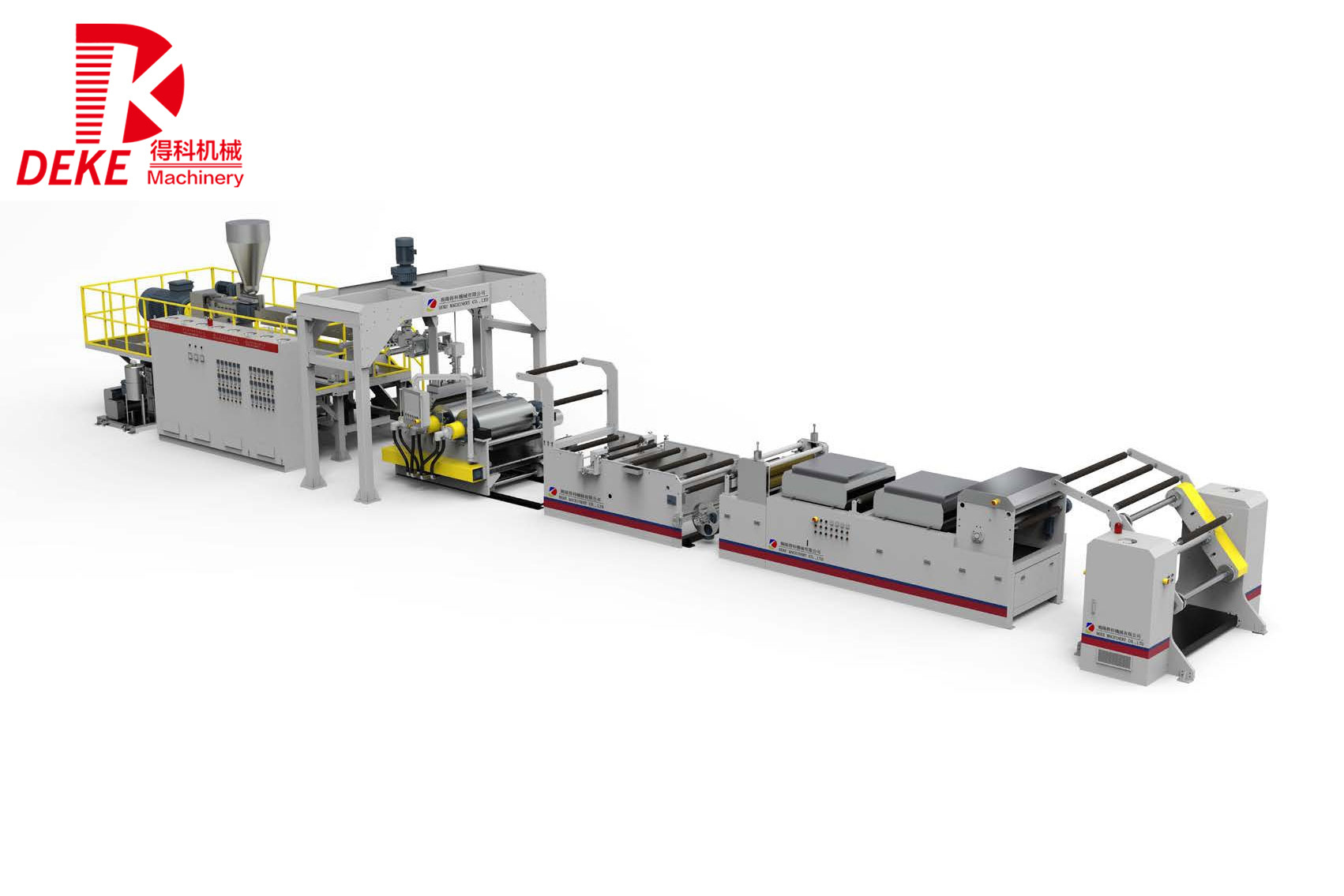
The Essential Role of Conical Twin Screws in Optimizing Plastic Manufacturing Processes
Table of Contents
- Introduction to Conical Twin Screws in Plastic Manufacturing
- What Are Conical Twin Screws?
- Advantages of Conical Twin Screws in Plastic Processing
- Mechanism of Action of Conical Twin Screws
- Applications of Conical Twin Screws in Plastic Manufacturing
- Impact on Product Quality and Consistency
- Cost Efficiency and Energy Savings
- Future Trends in Conical Twin Screw Technology
- Conclusion
Introduction to Conical Twin Screws in Plastic Manufacturing
In the realm of plastic manufacturing, the efficiency and quality of production processes are paramount. One of the pivotal components that contribute to enhancing these aspects is the **conical twin screw**. These screws have gained prominence in industries focused on plastic extrusion and processing due to their unique design and operational capabilities.
This article will explore the multifaceted role of conical twin screws in plastic manufacturing, discussing their benefits, mechanisms, applications, and the future of their technology.
What Are Conical Twin Screws?
Conical twin screws are specialized components used in extrusion processes, characterized by their conical shape and dual-screw design. Unlike parallel twin screws, conical screws feature a tapering design that allows for a more efficient material flow and better mixing capabilities.
In a typical configuration, these screws rotate in opposite directions, which not only aids in the thorough mixing of plastic resins but also ensures a uniform temperature throughout the processing phase. This unique design makes conical twin screws ideal for various applications, particularly in the production of complex plastic materials.
Advantages of Conical Twin Screws in Plastic Processing
The implementation of conical twin screws in plastic manufacturing offers several advantages:
1. Improved Mixing Efficiency
The conical shape of the screws enhances material flow and mixing, resulting in a more homogeneous product. This is particularly beneficial for applications requiring precise material compositions.
2. Enhanced Material Decomposition
Conical twin screws facilitate better thermal control during processing, effectively managing the temperature of the material being extruded. This leads to reduced degradation of sensitive polymers.
3. Versatility in Processing
These screws can handle a wide range of materials, including those with varying viscosity and thermal properties. Their adaptability is crucial for manufacturers looking to diversify their product lines.
4. Cost-Effective Solutions
By optimizing the processing time and energy consumption, conical twin screws can significantly reduce production costs. Their efficiency leads to less waste and lower energy bills.
Mechanism of Action of Conical Twin Screws
Understanding how conical twin screws operate is essential for appreciating their role in plastic manufacturing. The screws work through a combination of conveying, mixing, and melting operations.
1. Conveying
The dual screws move material through the barrel, transporting it from the feed zone to the discharge zone. The conical shape helps maintain a consistent pressure, ensuring a steady flow of material.
2. Mixing
As material travels through the screw, the intermeshing design creates shear forces that enhance mixing. This is crucial for ensuring that additives and fillers are uniformly distributed throughout the polymer matrix.
3. Melting
The design of conical twin screws allows for efficient heat transfer, which aids in melting the plastic. The gradual taper of the screw ensures that material is heated uniformly, reducing the risk of hot spots that can lead to degradation.
Applications of Conical Twin Screws in Plastic Manufacturing
Conical twin screws are employed in various applications within the plastic manufacturing sector:
1. Production of Compounds
These screws are highly effective in compounding processes, where multiple materials are blended to create specialized plastic compounds.
2. Polymer Blending
Conical twin screws are used to blend different types of polymers, ensuring consistent properties in the final product.
3. Recycling Processes
They play a crucial role in recycling processes, effectively reprocessing post-consumer plastics into high-quality materials.
4. Manufacturing of Masterbatches
Conical twin screws are ideal for producing masterbatches, which are concentrated mixtures of pigments, additives, or fillers that can be easily integrated into other plastic products.
Impact on Product Quality and Consistency
The utilization of conical twin screws significantly influences the quality and consistency of plastic products. Their ability to provide uniform mixing and precise temperature control results in products with fewer defects and higher performance characteristics.
1. Consistency in Product Properties
With improved mixing and processing capabilities, manufacturers can achieve consistent properties across batches, which is crucial for meeting stringent quality standards.
2. Enhanced Performance of Final Products
Products processed with conical twin screws often exhibit enhanced mechanical properties, thermal stability, and aesthetic qualities, making them more competitive in the market.
Cost Efficiency and Energy Savings
Cost efficiency is a critical factor in any manufacturing process. The introduction of conical twin screws can lead to significant savings in production costs:
1. Reduced Energy Consumption
The efficient design of these screws minimizes the energy required for processing, contributing to lower operational costs.
2. Decreased Material Waste
By optimizing the mixing and melting processes, conical twin screws help reduce material waste, leading to cost savings and enhanced sustainability.
3. Lower Maintenance Costs
The robust design of conical twin screws results in longer service life and reduced maintenance needs, further contributing to overall cost efficiency.
Future Trends in Conical Twin Screw Technology
As technology continues to advance, the role of conical twin screws in plastic manufacturing is expected to evolve:
1. Integration of Smart Technologies
The incorporation of sensors and IoT technology into conical twin screw systems can lead to real-time monitoring and adjustments, enhancing efficiency and product quality.
2. Development of Advanced Materials
With ongoing research, new materials and coatings for conical twin screws are emerging, aimed at improving their performance and lifespan.
3. Sustainability Initiatives
The push towards sustainability in manufacturing will lead to the development of conical twin screws that are designed to work with biodegradable and recycled materials, making them more environmentally friendly.
Conclusion
Conical twin screws play a vital role in optimizing plastic manufacturing processes, offering numerous advantages from improved mixing efficiency to cost savings. As the industry continues to advance, these innovative components will remain central to enhancing production quality, lowering costs, and ensuring sustainability. Embracing the potential of conical twin screws will empower manufacturers to meet the demands of a rapidly changing market, ultimately leading to greater competitiveness and success in the plastic manufacturing sector.
Frequently Asked Questions
1. What are the main benefits of using conical twin screws in plastic manufacturing?
The primary benefits include improved mixing efficiency, enhanced material decomposition, versatility in processing various materials, and cost savings due to reduced energy consumption and material waste.
2. How do conical twin screws differ from parallel twin screws?
Conical twin screws have a tapering design that allows for better material flow and mixing, while parallel twin screws maintain a uniform diameter throughout their length, which can limit their mixing efficiency.
3. In what applications are conical twin screws most commonly used?
Conical twin screws are commonly used in producing compounds, polymer blending, recycling processes, and manufacturing masterbatches for plastics.
4. How do conical twin screws impact the quality of plastic products?
They enhance product quality by providing consistent mixing, precise temperature control, and improved mechanical properties in the final products.
5. What trends are shaping the future of conical twin screw technology?
Future trends include the integration of smart technologies for real-time monitoring, development of advanced materials, and a focus on sustainability initiatives in plastic manufacturing.
RELATED INFORMATION

Unleashing the Power of PET Twin Screw Extruders in Plastic Manufacturing
In the realm of plastic processing machinery, PET twin screw extruders stand out as a robust solution for various applications, particularly in the production of polyethylene terephthalate (PET) materials. These extruders operate using two intermeshing screws that enhance the mixing and melting of plastics, resulting in superior product quality and operational efficiency. One of the key advantages
The Essential Role of Conical Twin Screws in Optimizing Plastic Manufacturing Processes
The Essential Role of Conical Twin Screws in Optimizing Plastic Manufacturing Processes Table of Contents Introduction to Conical Twin Screws in Plastic Manufacturing What Are Conical Twin Screws? Advantages of Conical Twin Screws in Plastic Processing Mechanism of Action of Conical Twin Screws Applications of Conical Twin Screws in Plastic Manufacturing Impact on Product

Website

Copyright©Jieyang Deke Machinery Co., Ltd.