
How to Optimize Your Compounding Process with Twin Screw Extruders
2025-11
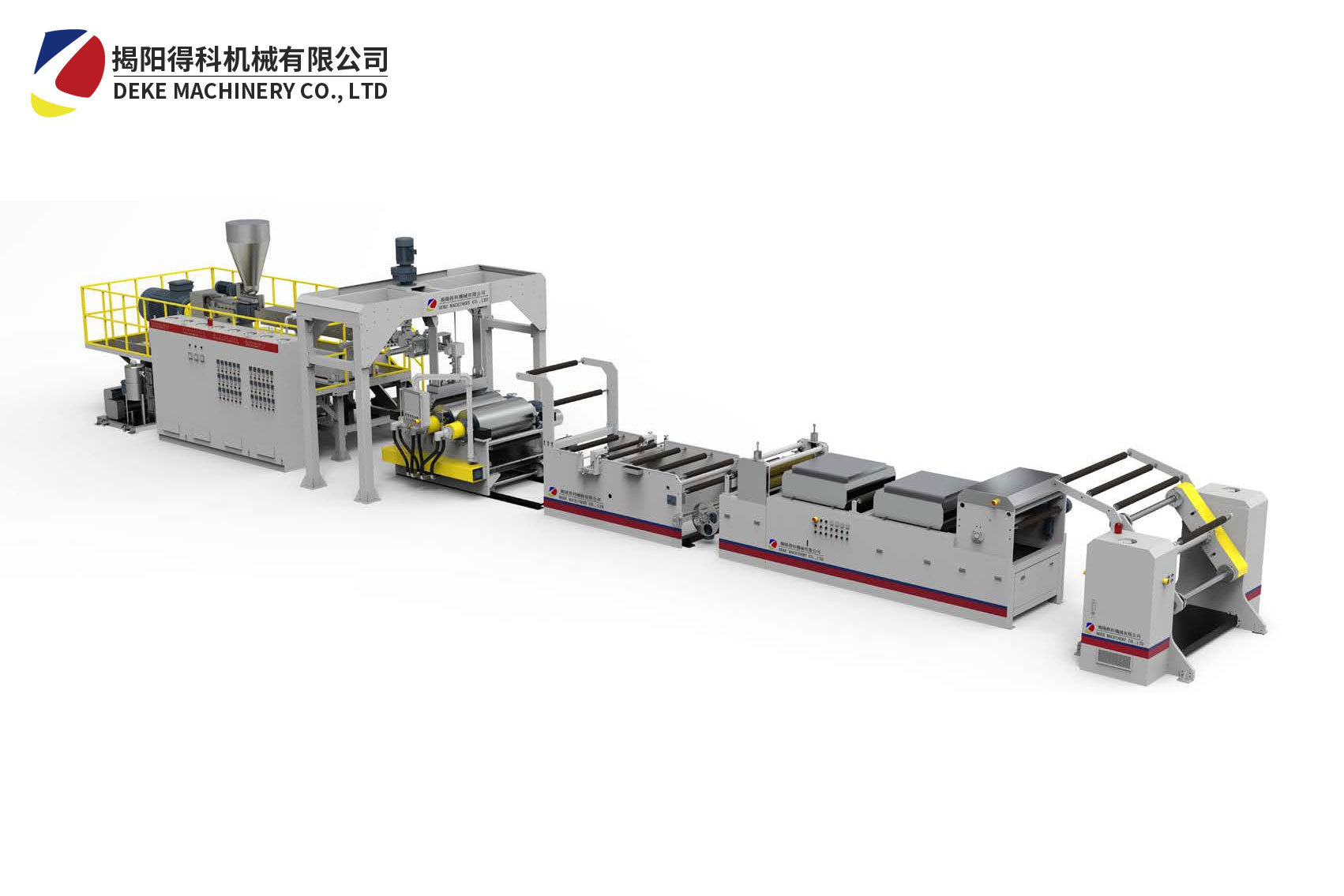
How to Optimize Your Compounding Process with Twin Screw Extruders
Introduction to Twin Screw Extruders in Plastic Processing
In the realm of plastic manufacturing, twin screw extruders play a pivotal role in the compounding process. These machines not only melt and mix polymers but also facilitate the incorporation of various additives, fillers, and colorants, offering flexibility and efficiency. Understanding how to optimize their functionality can significantly enhance production quality and throughput.
Understanding the Compounding Process
Compounding is the process of blending raw materials together to achieve a desired formulation. It involves the melting of polymers and the uniform distribution of additives, which can include plasticizers, stabilizers, and fillers. The use of twin screw extruders in this process allows for better control over mixing and temperature, leading to consistent product quality.
Why Choose Twin Screw Extruders?
The advantages of twin screw extruders over single screw extruders are numerous:
- **Enhanced Mixing Efficiency**: The intermeshing screws facilitate thorough mixing, resulting in a homogeneous material.
- **Greater Flexibility**: They accommodate a wide range of materials and formulations, making them suitable for diverse applications.
- **Improved Temperature Control**: The design allows for better heat dissipation, crucial for sensitive materials.
Key Factors to Optimize Your Compounding Process
Optimizing your compounding process requires a multifaceted approach. Here are critical factors to consider:
1. Screw Design and Configuration
The design and configuration of the screws in a twin screw extruder significantly influence the compounding process. Factors such as screw diameter, length, and the arrangement of elements (such as kneading blocks and conveying elements) affect the material flow and mixing efficiency.
- **Tailor the Screw Elements**: Adjusting the number and arrangement of screw elements can enhance material shear and mixing.
- **Consider the Material Properties**: Different materials may require specific screw designs to achieve optimal results.
2. Process Parameters: Temperature and Speed
Controlling the temperature and screw speed is vital for maintaining product quality.
- **Temperature Management**: Set optimal heating profiles to prevent thermal degradation of sensitive materials.
- **Screw Speed Adjustment**: Varying the screw speed can help control the residence time of materials in the extruder, affecting the final product’s properties.
3. Feeding Techniques and Material Preparation
Proper feeding techniques can enhance the efficiency of the compounding process.
- **Use of Gravimetric Feeders**: These provide precise control over the input of additives, ensuring consistent formulations.
- **Material Preconditioning**: Pre-drying materials and ensuring they are free from contaminants can enhance mixing and product quality.
Feeding Strategies
Experiment with different feeding strategies, such as side feeding and melt feeding, to determine which method yields the best results for your specific application.
4. Monitoring and Control Systems
Incorporating advanced monitoring and control systems can help maintain optimal processing conditions.
- **Real-Time Data Analysis**: Utilize sensors and software to analyze temperature, pressure, and viscosity during the compounding process.
- **Feedback Mechanisms**: Implement systems that can adjust parameters in real-time based on feedback from ongoing production.
Best Practices for Using Twin Screw Extruders
Implementing best practices ensures that your twin screw extruder operates at peak performance.
1. Regular Maintenance and Upkeep
Regular maintenance of the extruder is crucial for longevity and efficiency.
- **Routine Inspections**: Schedule inspections to check for wear and tear on screw elements and barrels.
- **Calibration**: Regularly calibrate temperature and pressure gauges to ensure accuracy.
2. Training Operators
Investing in operator training can significantly impact the optimization of the compounding process.
- **Understanding the Equipment**: Ensure that operators are well-versed in the workings of twin screw extruders and how to adjust settings effectively.
- **Troubleshooting Skills**: Equip operators with skills to identify and rectify common issues quickly.
3. Material Selection and Formulation
Choosing the right materials and formulations can make a significant difference in the performance of the extruder.
- **Compatibility**: Ensure that all materials are compatible to avoid issues during processing.
- **Experimentation**: Encourage experimentation with different formulations to discover optimal compounding recipes.
Real-World Applications of Optimized Twin Screw Extruders
Optimized compounding processes using twin screw extruders find applications across various industries, including:
1. Automotive Industry
In automotive manufacturing, optimized compounding processes lead to the production of high-performance materials for components like dashboards and bumpers.
2. Packaging Industry
In packaging, the ability to create lightweight yet strong materials enhances product delivery and sustainability.
3. Consumer Goods
From toys to household items, optimized formulations ensure consistency in quality and performance.
Case Studies: Success Stories of Optimization
To illustrate the benefits of optimization, several companies have successfully implemented strategies to enhance their twin screw extruder processes. For instance:
- **Case Study 1: Automotive Component Manufacturer**: By redesigning screw elements and utilizing advanced monitoring systems, this company improved its material quality and reduced production costs.
- **Case Study 2: Packaging Solutions Provider**: A shift to gravimetric feeding and careful control of process parameters led to a 20% increase in line productivity.
Frequently Asked Questions (FAQs)
1. What are twin screw extruders primarily used for?
Twin screw extruders are primarily used for compounding, mixing, and melting plastic materials, as well as incorporating various additives.
2. How do I choose the right screw configuration for my application?
Choose a screw configuration based on the specific material properties and the desired mixing efficiency. Consulting with equipment manufacturers can provide insights into optimal designs.
3. What are the common challenges faced in the compounding process?
Common challenges include inconsistent material quality, thermal degradation, and poor mixing efficiency. Monitoring and adjusting process parameters can help mitigate these issues.
4. Can twin screw extruders handle high-viscosity materials?
Yes, twin screw extruders are capable of handling high-viscosity materials due to their design, which allows for better shear and mixing.
5. How often should I perform maintenance on my extruder?
Perform maintenance regularly, typically every few months, or as recommended by the manufacturer, to ensure optimal performance and longevity.
Conclusion
Optimizing your compounding process with twin screw extruders is essential for achieving high-quality products and enhancing production efficiency. By understanding the intricacies of screw design, process parameters, and best practices, manufacturers can unlock the full potential of their operations. As the industry continues to evolve, staying informed and adaptable will ensure your processes remain competitive and effective. Embrace these strategies to elevate your compounding process to new heights and achieve lasting success in the field of plastic manufacturing.
RELATED INFORMATION

How PET Sheet Extruders Revolutionize Plastic Processing Machinery
How PET Sheet Extruders Revolutionize Plastic Processing Machinery Table of Contents Introduction to PET Sheet Extruders Understanding Plastic Processing Machinery The Technology Behind PET Sheet Extruders Advantages of Using PET Sheet Extruders Sustainability in Plastic Manufacturing Applications of PET Sheets in Various Industries Future Trends in PET Sheet Extrusion
PET sheet extruder machines play a crucial role in the field of plastic processing, specifically in the production of polyethylene terephthalate (PET) sheets. These machines are designed to melt and extrude PET resin into sheets of varying thickness, which are then used in a variety of applications such as packaging, construction, and consumer goods. Understanding how these machines work and their

Website

Copyright©Jieyang Deke Machinery Co., Ltd.