
Unlocking Efficiency in Plastic Processing: The Role of PET Twin Screw Extruders
2025-11
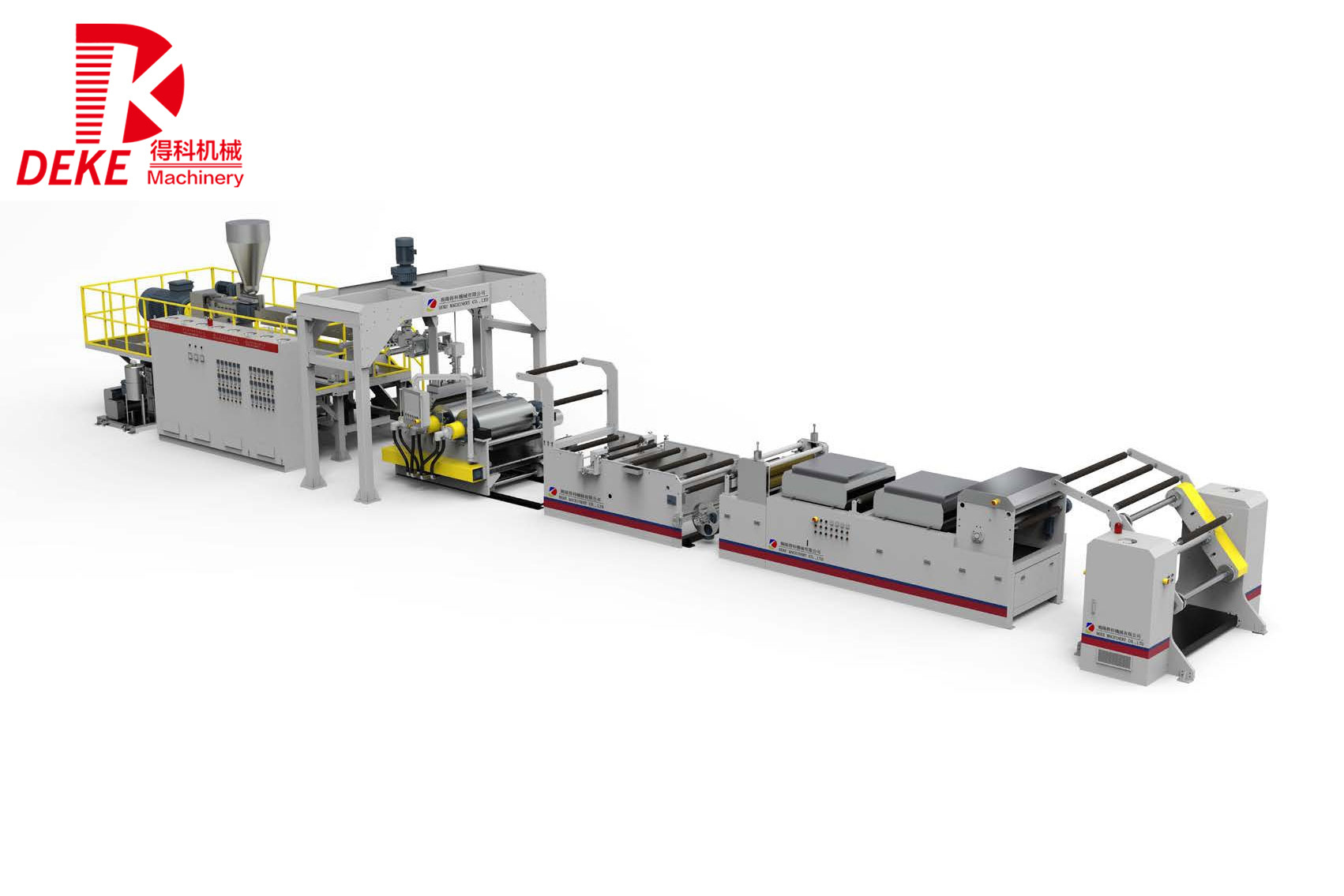
One of the primary advantages of PET twin screw extruders is their ability to mix, melt, and convey materials simultaneously. The twin screw configuration allows for enhanced mixing capabilities, which is essential when dealing with various additives or colorants in PET. This results in a more uniform product, which is crucial for applications requiring consistent quality and performance.
Moreover, the design of the twin screw extruder allows for better temperature control throughout the process. This is particularly important for PET, as it requires precise thermal management to avoid degradation. With the ability to fine-tune temperature settings, manufacturers can ensure that the PET is processed at optimal conditions, leading to higher quality end products.
Another noteworthy aspect of PET twin screw extruders is their adaptability. These machines can be tailored to accommodate different formulations and processing needs. This flexibility is vital in today’s fast-paced market, where customer demands are constantly evolving. Manufacturers can easily adjust the configuration of the extruder to switch between different products, ensuring competitiveness and responsiveness to market trends.
Efficiency is a significant consideration in any manufacturing process, and PET twin screw extruders excel in this area. Their design minimizes energy consumption while maximizing output, making them a cost-effective choice for manufacturers. The efficient use of resources not only lowers operational costs but also aligns with sustainability goals, which are increasingly important in the plastics industry.
Furthermore, the integration of advanced control systems in modern PET twin screw extruders enables real-time monitoring and adjustments. This capability allows manufacturers to maintain consistent quality while reducing waste and downtime. By leveraging technology, companies can enhance their operational efficiency and ensure that production runs smoothly.
In conclusion, the PET twin screw extruder is an essential tool in the plastic processing industry. Its ability to provide efficient mixing, superior temperature control, and adaptability makes it an excellent choice for manufacturers looking to improve their production capabilities. By investing in this advanced technology, companies can not only enhance their product quality but also achieve greater efficiency in their manufacturing processes, ultimately positioning themselves for success in a competitive market.
RELATED INFORMATION

How PET Sheet Extruders Revolutionize Plastic Processing Machinery
How PET Sheet Extruders Revolutionize Plastic Processing Machinery Table of Contents Introduction to PET Sheet Extruders Understanding Plastic Processing Machinery The Technology Behind PET Sheet Extruders Advantages of Using PET Sheet Extruders Sustainability in Plastic Manufacturing Applications of PET Sheets in Various Industries Future Trends in PET Sheet Extrusion
PET sheet extruder machines play a crucial role in the field of plastic processing, specifically in the production of polyethylene terephthalate (PET) sheets. These machines are designed to melt and extrude PET resin into sheets of varying thickness, which are then used in a variety of applications such as packaging, construction, and consumer goods. Understanding how these machines work and their
Website

Copyright©Jieyang Deke Machinery Co., Ltd.