
Maximizing Output: The Science Behind PET Twin Screw Extruders
2025-12
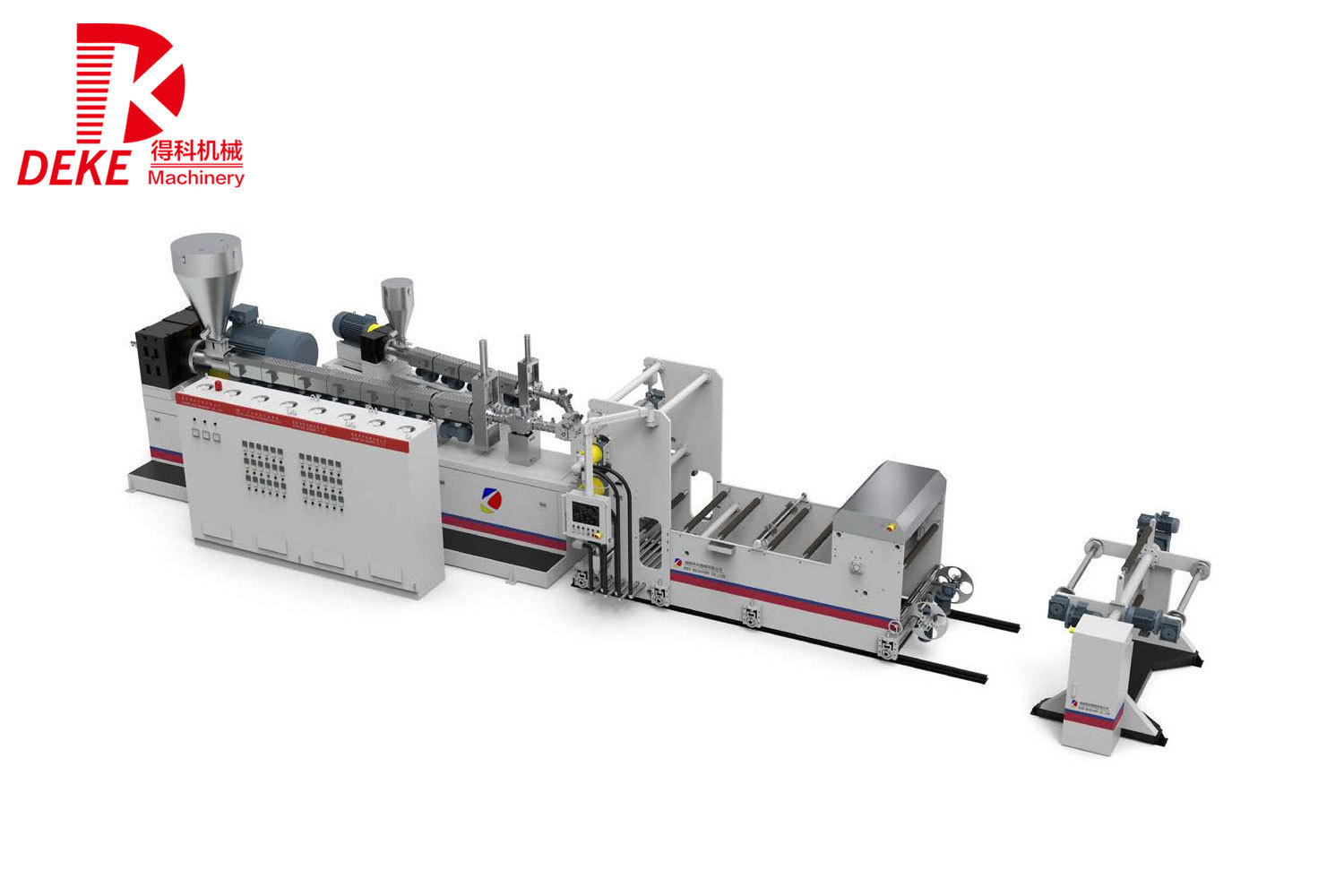
Maximizing Output: The Science Behind PET Twin Screw Extruders
Table of Contents
1. Introduction to PET Twin Screw Extruders
2. Understanding PET Extrusion Process
3. Design Principles of Twin Screw Extruders
4. Operational Mechanics of PET Twin Screw Extruders
5. Strategies for Maximizing Output
6. Troubleshooting Common Issues in PET Extrusion
7. Future Trends in Extrusion Technology
8. Conclusion
9. FAQs
Introduction to PET Twin Screw Extruders
The evolution of the plastics industry has led to significant advancements in processing technologies, one of the most notable being the **PET twin screw extruder**. These machines play a crucial role in converting raw materials into high-quality products, particularly in the production of polyethylene terephthalate (PET). Understanding the science behind these extruders is essential for manufacturers aiming to maximize output and enhance product quality.
PET twin screw extruders are preferred for their ability to blend, melt, and convey materials efficiently. This article will cover the foundational principles, design considerations, and operational strategies that contribute to the effective use of PET twin screw extruders.
Understanding PET Extrusion Process
Extrusion is a continuous manufacturing process that transforms solid plastic into a molten state, which can then be shaped and cooled into finished products. The process involves several steps:
The Raw Materials
The primary raw material used in PET extrusion is **polyethylene terephthalate**. This thermoplastic polymer is known for its excellent mechanical properties, chemical resistance, and transparency, making it suitable for applications ranging from beverage bottles to high-performance films.
The Heating Process
In a twin screw extruder, raw PET pellets are fed into the machine and subjected to heat through barrel sections. Various heating elements are strategically placed along the barrel to ensure uniform melting.
Melting and Mixing
As the PET pellets reach the melting temperature, the twin screws, designed with specific flight configurations, provide shear forces that help in mixing and homogenizing the material. This stage is critical as it influences the final product’s quality.
Shaping the Final Product
Once the PET is melted and thoroughly mixed, it is forced through a die that shapes it into the desired form. Cooling systems are employed to solidify the extruded product quickly and prevent deformation.
Design Principles of Twin Screw Extruders
The performance of PET twin screw extruders heavily relies on their design. Key design elements include:
Screw Geometry
The configuration of the screws, including their diameter, length, and flight design, significantly affects the flow and mixing of materials. A well-designed screw can enhance material transport and ensure consistent melt quality.
Barrel Design
The barrel must be designed to accommodate various heating and cooling requirements. Options like zoned heating elements allow for precise temperature control throughout the extrusion process, which is vital for processing PET.
Die Design
The die must be optimized to ensure uniform flow and adequate cooling of the extruded material. Variations in die design can impact the final product's characteristics, including thickness and surface finish.
Operational Mechanics of PET Twin Screw Extruders
Understanding the operational mechanics of PET twin screw extruders is crucial for maintaining efficiency. This involves:
Feed Rate Control
Maintaining an appropriate feed rate is essential for consistent output. An imbalance can lead to fluctuations in melt quality and production rates, negatively impacting overall efficiency.
Temperature Management
Effective temperature control is necessary to avoid thermal degradation of PET. Operators must monitor and adjust heating elements to ensure optimal processing temperatures throughout the extrusion process.
Pressure Regulation
Monitoring the pressure within the extruder is critical for ensuring that the melt maintains proper viscosity. Excessive pressure can lead to material degradation, while insufficient pressure can result in poor product quality.
Strategies for Maximizing Output
To maximize output in PET twin screw extrusion, manufacturers can implement several strategies:
Optimizing Process Parameters
Regularly reviewing and adjusting process parameters such as temperature, feed rate, and screw speed can help achieve better melt quality and, consequently, higher output.
Regular Maintenance
Routine maintenance of equipment is essential to prevent breakdowns and ensure consistent operation. This includes checking for wear and tear on screws and barrels and ensuring that heating elements are functioning optimally.
Utilizing Advanced Control Systems
Implementing advanced control systems that use real-time data can help operators make informed decisions, optimizing the extrusion process for higher efficiency and better product consistency.
Material Additives
Incorporating specific additives can enhance the properties of the extruded PET, leading to improved processing characteristics and product quality, ultimately impacting output positively.
Troubleshooting Common Issues in PET Extrusion
Despite the advanced technology of PET twin screw extruders, manufacturers may encounter challenges that can hinder output. Common issues include:
Melt Fracture
This occurs when the melt flow is disrupted, causing defects in the final product. It can often be mitigated by adjusting the temperature and screw speed.
Degradation of Material
Excessive heat or prolonged residence time in the extruder can lead to thermal degradation. Monitoring temperature profiles and reducing processing time can help combat this issue.
Inconsistent Product Quality
Variations in feed rate, temperature, or pressure can lead to inconsistent product quality. Implementing strict quality control measures and monitoring process parameters can help ensure uniformity.
Future Trends in Extrusion Technology
The field of extrusion technology is constantly evolving, with trends indicating a shift towards more sustainable practices and advanced automation.
Increased Automation
Automation in extrusion processes is expected to increase, with more manufacturers adopting smart technology to enhance efficiency and reduce labor costs.
Sustainable Materials
As environmental concerns grow, the use of recycled PET and bio-based materials in extrusion processes is likely to rise, pushing manufacturers to innovate in their processing techniques.
Energy Efficiency
There is a growing emphasis on energy-efficient machinery. Extruders designed to minimize energy consumption while maximizing output will be crucial for competitive manufacturing.
Conclusion
Maximizing output in PET twin screw extruders involves a comprehensive understanding of the extrusion process, design principles, and operational mechanics. By implementing effective strategies, troubleshooting common issues, and staying abreast of future trends, manufacturers can significantly enhance their production efficiency and product quality. Adopting these practices not only leads to improved output but also positions companies favorably in the competitive landscape of plastic processing.
FAQs
What is a PET twin screw extruder?
A PET twin screw extruder is a type of processing equipment used to melt and shape PET plastics. It features two intermeshing screws that enhance mixing and material transport.
How does a twin screw extruder differ from a single screw extruder?
Twin screw extruders provide better mixing, flexibility in processing, and the ability to handle a wider range of materials compared to single screw extruders.
What are the advantages of using PET in extrusion?
PET offers excellent mechanical properties, clarity, and chemical resistance, making it ideal for applications such as packaging and engineering plastics.
How can I troubleshoot melt fracture in PET extrusion?
To troubleshoot melt fracture, consider adjusting the processing temperature and screw speed to ensure a smooth melt flow.
What trends should manufacturers watch in extrusion technology?
Manufacturers should monitor trends such as increased automation, sustainable materials, and energy efficiency to remain competitive in the extrusion market.
Previous Page:
RELATED INFORMATION

How PET Sheet Extruders Revolutionize Plastic Processing Machinery
How PET Sheet Extruders Revolutionize Plastic Processing Machinery Table of Contents Introduction to PET Sheet Extruders Understanding Plastic Processing Machinery The Technology Behind PET Sheet Extruders Advantages of Using PET Sheet Extruders Sustainability in Plastic Manufacturing Applications of PET Sheets in Various Industries Future Trends in PET Sheet Extrusion
PET sheet extruder machines play a crucial role in the field of plastic processing, specifically in the production of polyethylene terephthalate (PET) sheets. These machines are designed to melt and extrude PET resin into sheets of varying thickness, which are then used in a variety of applications such as packaging, construction, and consumer goods. Understanding how these machines work and their

Website

Copyright©Jieyang Deke Machinery Co., Ltd.