
Maximizing Energy Efficiency in Your PET Extrusion Sheet Line: A Comprehensive Guide
2026-01
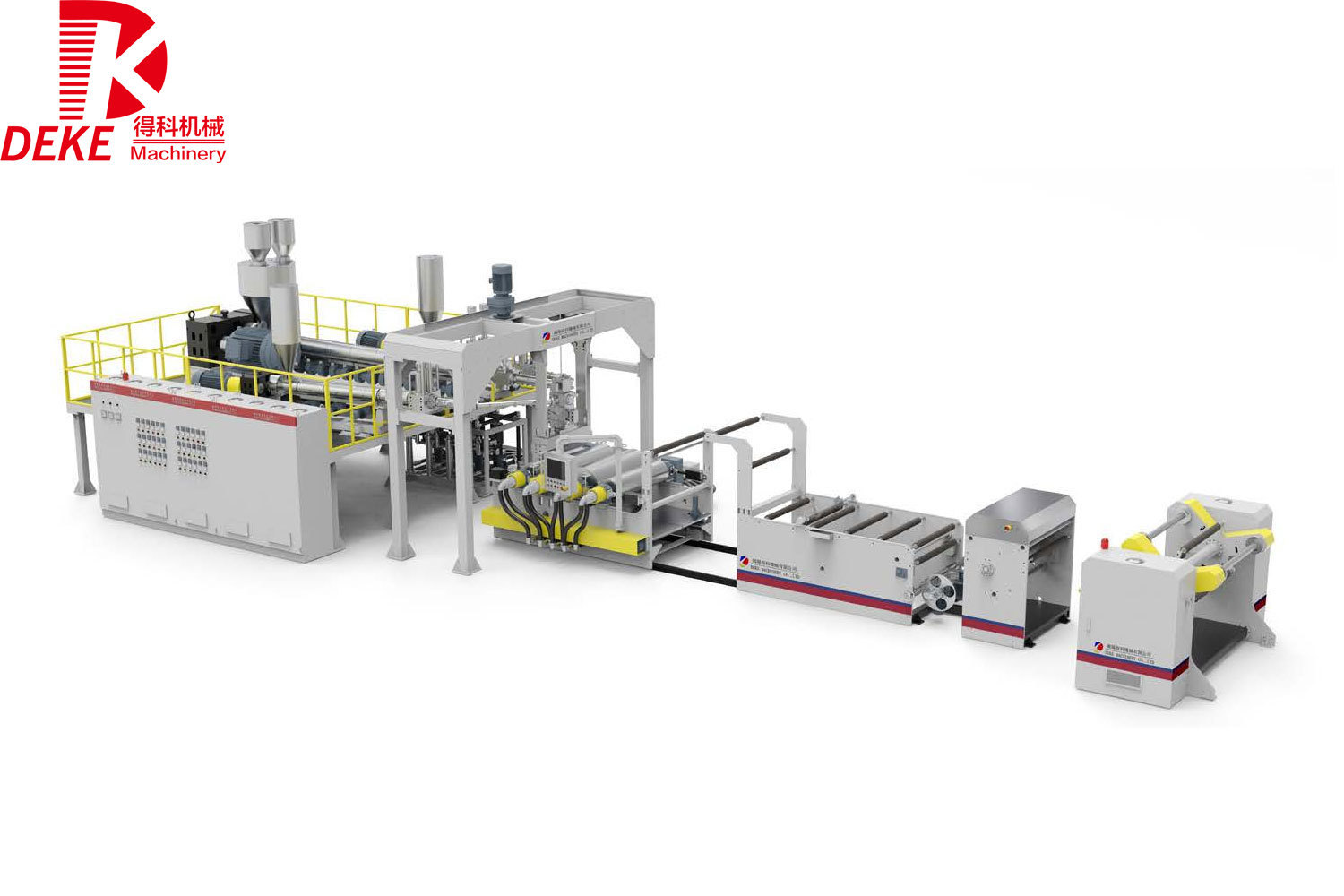
Maximizing Energy Efficiency in Your PET Extrusion Sheet Line: A Comprehensive Guide
Table of Contents
- 1. Introduction
- 2. Understanding Energy Efficiency in PET Extrusion
- 3. Key Factors Affecting Energy Consumption in PET Extrusion
- 4. Strategies for Enhancing Energy Efficiency
- 4.1 Optimizing Extruder Design
- 4.2 Utilizing Advanced Automation
- 4.3 Implementing Heat Recovery Systems
- 4.4 Upgrading to Energy-Efficient Motors
- 4.5 Conducting Regular Maintenance
- 5. Monitoring Energy Consumption
- 6. Case Studies: Successful Energy Efficiency Implementations
- 7. Frequently Asked Questions
- 8. Conclusion
1. Introduction
In today's competitive manufacturing landscape, **enhancing energy efficiency** within your PET extrusion sheet line is not just a smart choice—it's a necessity. With rising energy costs and increasing environmental regulations, businesses need to adopt strategies that minimize energy consumption while maximizing production output. This guide explores actionable strategies and modern technologies that can significantly improve energy efficiency in PET extrusion processes.
2. Understanding Energy Efficiency in PET Extrusion
Energy efficiency in the context of PET extrusion refers to the ability to produce high-quality sheets while consuming the least amount of energy possible. **PET (polyethylene terephthalate)** is widely used due to its excellent mechanical properties and recyclability. However, the energy-intensive nature of extrusion processes can lead to substantial operational costs. Understanding the key components of energy efficiency, including heat management, mechanical design, and process optimization, is crucial for achieving sustainable production practices.
3. Key Factors Affecting Energy Consumption in PET Extrusion
Several factors influence the energy consumption of a PET extrusion line. Some of the primary contributors include:
3.1 Extruder Design
An extruder's configuration, including screw design and barrel length, dramatically impacts energy consumption. Efficient designs reduce back pressure and optimize material flow, leading to lower energy requirements.
3.2 Material Properties
The viscosity and thermal characteristics of PET can affect how energy is used during the extrusion process. Variations in material quality and consistency may lead to inefficiencies.
3.3 Process Parameters
Operating parameters such as temperature, pressure, and speed are crucial. Fine-tuning these parameters can lead to substantial energy savings.
3.4 Equipment Condition
Well-maintained equipment runs more efficiently. Wear and tear can increase energy consumption significantly, making regular maintenance essential.
4. Strategies for Enhancing Energy Efficiency
Implementing effective energy-efficient strategies can lead to significant cost savings and improved production quality. Below are some **top strategies** for enhancing energy efficiency in your PET extrusion sheet line.
4.1 Optimizing Extruder Design
Investing in a well-designed extruder can lead to lower energy consumption. Considerations for optimization include:
- **Screw Geometry**: Use screws designed for specific materials to enhance flow characteristics.
- **Barrel Insulation**: Proper insulation can minimize heat loss, maintaining optimal processing temperatures without excessive energy input.
4.2 Utilizing Advanced Automation
Modern PET extrusion lines benefit from automation technologies. Implementing:
- **Real-time Monitoring Systems**: These systems help to adjust process parameters dynamically, ensuring optimal operation.
- **Predictive Maintenance**: Automation can predict equipment failures before they occur, reducing downtime and conserving energy.
4.3 Implementing Heat Recovery Systems
Heat recovery systems can capture and reuse thermal energy generated during the extrusion process. Strategies include:
- **Heat Exchangers**: Recycle waste heat to preheat materials or water for other processes.
- **Energy Storage Solutions**: Store excess energy for later use, minimizing reliance on external power.
4.4 Upgrading to Energy-Efficient Motors
Switching to high-efficiency motors can yield notable energy savings. Look for:
- **Variable Frequency Drives (VFDs)**: These allow motors to operate at optimal speeds as per demand, significantly reducing energy consumption.
- **Permanent Magnet Motors**: Offer higher efficiency than conventional induction motors, especially at lower speeds.
4.5 Conducting Regular Maintenance
Routine maintenance plays a vital role in energy efficiency. Key practices include:
- **Lubrication**: Reduces friction and enhances the performance of moving parts, leading to lower energy use.
- **Calibration**: Regularly calibrate equipment to ensure it operates within optimal parameters, minimizing energy wastage.
5. Monitoring Energy Consumption
Establishing a robust energy monitoring system is essential for tracking and optimizing energy use. Consider the following approaches:
- **Energy Management Systems (EMS)**: Implement an EMS to analyze energy data and identify trends that could indicate inefficiencies.
- **Benchmarking**: Compare your energy consumption with industry standards to pinpoint areas for improvement.
6. Case Studies: Successful Energy Efficiency Implementations
Real-world applications of energy efficiency strategies can provide valuable insights. Below are examples of companies that successfully enhanced their PET extrusion sheet lines.
6.1 Company A: Reducing Energy Costs by 30%
Company A implemented a comprehensive energy management system and upgraded to energy-efficient motors, resulting in a 30% reduction in energy costs. Through continuous monitoring, they identified areas for improvement and consistently optimized their processes.
6.2 Company B: Achieving Zero Waste Heat
Company B adopted a heat recovery system that captured and reused 100% of waste heat, significantly reducing energy consumption. The integration of predictive maintenance also helped minimize downtime and improve overall operational efficiency.
7. Frequently Asked Questions
7.1 What is energy efficiency in PET extrusion?
Energy efficiency in PET extrusion refers to the ability to produce sheets using the least amount of energy, ensuring sustainability and cost-efficiency.
7.2 How can I measure energy efficiency in my extrusion line?
You can measure energy efficiency by comparing energy consumption against production output and utilizing energy management systems for real-time monitoring.
7.3 What are the benefits of upgrading to energy-efficient motors?
Upgrading to energy-efficient motors can lead to lower operational costs, reduced energy consumption, and improved process control.
7.4 How often should I conduct maintenance on my extrusion equipment?
Regular maintenance should be conducted as per the manufacturer's recommendations, typically every six months, with more frequent checks for critical components.
7.5 Can heat recovery systems be retrofitted to existing equipment?
Yes, heat recovery systems can often be retrofitted to existing extrusion equipment, enhancing energy efficiency without the need for complete replacements.
8. Conclusion
Enhancing the energy efficiency of your PET extrusion sheet line is critical for both economic and environmental reasons. By implementing strategies such as optimizing extruder design, utilizing advanced automation technologies, and leveraging heat recovery systems, you can significantly reduce energy consumption and improve profitability. Monitoring energy usage and conducting regular maintenance are equally essential for sustaining these improvements. As the industry continues to evolve, staying committed to energy efficiency will position your business for success in a sustainable future.
Previous Page:
RELATED INFORMATION

Maximizing Energy Efficiency in Your PET Extrusion Sheet Line: A Comprehensive Guide
Maximizing Energy Efficiency in Your PET Extrusion Sheet Line: A Comprehensive Guide Table of Contents 1. Introduction 2. Understanding Energy Efficiency in PET Extrusion 3. Key Factors Affecting Energy Consumption in PET Extrusion 4. Strategies for Enhancing Energy Efficiency 4.1 Optimizing Extruder Design 4.2 Utilizing Advanced
Understanding the Advantages and Applications of PET Single Screw Extruders
PET (Polyethylene Terephthalate) single screw extruders are essential equipment in the plastic processing industry, particularly for applications involving the production of PET products. These extruders are designed to efficiently convert PET pellets into a continuous flow of plastic material, making them an integral part of the manufacturing process in various sectors, including packaging, texti

Website

Copyright©Jieyang Deke Machinery Co., Ltd.