
Unlocking the Potential of Twin Screw Compounders: A Comprehensive Guide to Advanced Material Processing
2025-12
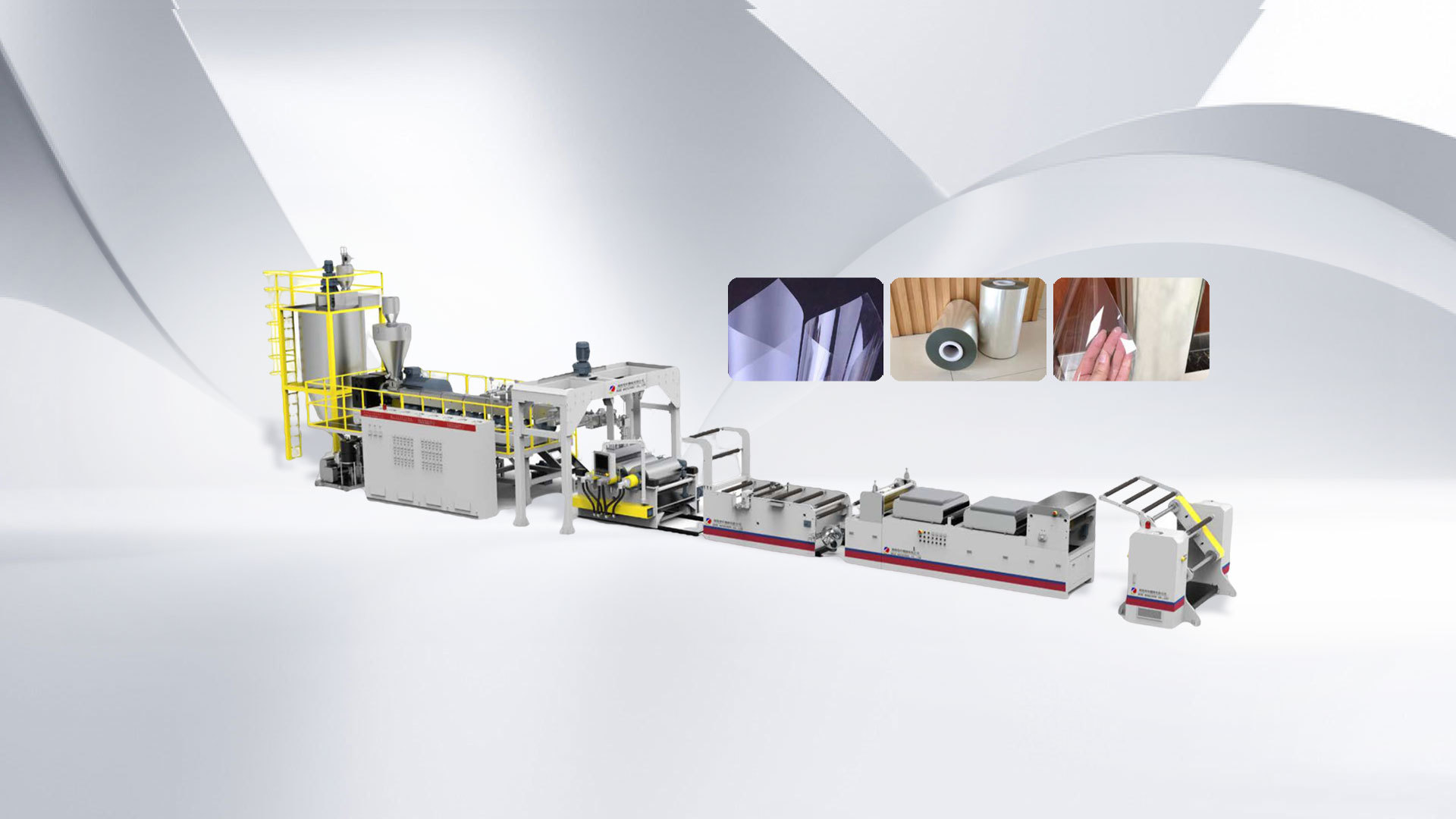
Unlocking the Potential of Twin Screw Compounders: A Comprehensive Guide to Advanced Material Processing
Table of Contents
- 1. Introduction to Twin Screw Compounders
- 2. Understanding the Mechanism of Twin Screw Compounders
- 3. Key Applications of Twin Screw Compounders in Material Processing
- 4. Advantages of Using Twin Screw Compounders
- 5. Key Factors Influencing the Performance of Twin Screw Compounders
- 6. Maintenance and Care for Twin Screw Compounders
- 7. Future Trends in Twin Screw Compounder Technology
- 8. Conclusion
- 9. Frequently Asked Questions
1. Introduction to Twin Screw Compounders
Twin screw compounders are pivotal in the realm of **advanced material processing**. These machines are designed to blend, compound, and process various materials, particularly polymers, into high-quality products. As the **demand for customized materials** in the industry continues to grow, the importance of twin screw compounders cannot be overstated. Their capacity to handle a wide array of formulations and the ability to achieve precise material properties make them a cornerstone in manufacturing processes.
2. Understanding the Mechanism of Twin Screw Compounders
To appreciate the versatility of twin screw compounders, one must first understand their mechanism. The core of these machines consists of two intermeshing screws that rotate simultaneously within a heated barrel. This configuration allows for several key processes:
2.1. Feeding and Mixing
Materials are fed into the compounder, where they are subjected to intense shear forces. This mixing action ensures a homogeneous blend of materials, which is crucial for achieving consistent product quality.
2.2. Heating and Cooling
As materials are processed, temperature control is vital. Twin screw compounders are equipped with temperature control systems that ensure optimal processing conditions, enabling precise melting and mixing of polymers.
2.3. Venting
One notable feature of twin screw compounders is their ability to vent volatile components. By removing gases and moisture during processing, manufacturers can enhance the quality of the final product.
3. Key Applications of Twin Screw Compounders in Material Processing
The versatility of twin screw compounders is evident in various applications across numerous industries, including:
3.1. Polymer Blending
The ability to blend different polymers allows for the creation of materials with desired properties, such as increased flexibility, strength, or thermal resistance.
3.2. Masterbatch Production
Twin screw compounders are ideal for producing **masterbatches**, which are concentrated mixtures of pigments or additives in a polymer carrier, used to color or enhance properties in final products.
3.3. Compounding and Recycling
These machines excel in compounding recycled materials, allowing manufacturers to incorporate sustainable practices into their operations. The ability to process post-consumer waste into reusable materials is increasingly important in today's eco-conscious market.
3.4. Thermoplastic Elastomers (TPEs)
Twin screw compounders are commonly used to produce TPEs, materials that exhibit both thermoplastic and elastomeric properties. Their elasticity and versatility make them suitable for applications ranging from automotive components to consumer goods.
4. Advantages of Using Twin Screw Compounders
The benefits of employing twin screw compounders in material processing are manifold:
4.1. Enhanced Material Properties
Through precise control over processing conditions, manufacturers can tailor material properties to meet specific requirements, resulting in superior products.
4.2. Efficiency and Productivity
The design of twin screw compounders allows for continuous processing, reducing downtime and increasing overall productivity. This efficiency translates to cost savings for manufacturers.
4.3. Flexibility in Production
With the capability to process a wide range of materials, twin screw compounders offer manufacturers the flexibility to quickly adapt to changing market demands and develop new products.
4.4. Improved Quality Control
The ability to monitor and control various processing parameters in real-time ensures consistent product quality, reducing waste and enhancing customer satisfaction.
5. Key Factors Influencing the Performance of Twin Screw Compounders
Several factors can significantly impact the performance of twin screw compounders, including:
5.1. Screw Design
The configuration of the screws plays a critical role in the efficiency of material processing. Customized screw designs can optimize mixing and shear rates.
5.2. Temperature Control
Maintaining appropriate temperatures throughout the processing stages is essential for achieving desired material properties. Advanced thermal management systems can greatly enhance processing efficiency.
5.3. Feed Rate and Material Selection
The choice of feed rate and the types of materials used directly affect the quality and characteristics of the final product. Careful consideration of these factors ensures superior results.
5.4. Batch Size
The scale of production can influence the performance of twin screw compounders. Adjusting parameters based on batch size can help maintain efficiency and product quality.
6. Maintenance and Care for Twin Screw Compounders
Proper maintenance is crucial for ensuring the longevity and efficiency of twin screw compounders. Regular checks and maintenance routines should include:
6.1. Cleaning
Frequent cleaning of the screws and barrel is necessary to prevent contamination and ensure optimal processing conditions.
6.2. Lubrication
Regular lubrication of moving parts reduces wear and tear, enhancing the operational lifespan of the machine.
6.3. Inspecting Wear Parts
Routine inspections of wear parts, such as screws and barrels, help identify potential issues before they escalate into costly repairs or downtime.
7. Future Trends in Twin Screw Compounder Technology
As technology advances, the future of twin screw compounders looks promising. Anticipated trends include:
7.1. Automation and Industry 4.0
The integration of automation in twin screw compounders will allow for smarter processing systems that can self-optimize based on real-time data, improving efficiency and product quality.
7.2. Sustainable Practices
As industries pivot towards sustainability, the role of twin screw compounders in recycling and processing bio-based materials will become increasingly significant.
7.3. Enhanced Customization
Future advancements may facilitate even greater customization of material properties, allowing manufacturers to meet specific client demands swiftly.
8. Conclusion
Twin screw compounders are integral to the modern landscape of **advanced material processing**. Their versatility, efficiency, and ability to produce high-quality materials position them as essential assets in various industries, particularly in plastics manufacturing. As technology continues to evolve, these machines will adapt and provide even more capabilities, supporting the industry's shift towards sustainability and innovation.
9. Frequently Asked Questions
Q1: What materials can be processed using twin screw compounders?
A: Twin screw compounders can process various materials, including thermoplastics, thermosets, elastomers, and composite materials.
Q2: How do twin screw compounders compare to single screw extruders?
A: Twin screw compounders offer better mixing and shear capabilities than single screw extruders, making them ideal for complex formulations.
Q3: What industries benefit the most from twin screw compounders?
A: Industries such as automotive, consumer goods, electronics, and packaging heavily rely on twin screw compounders for their material processing needs.
Q4: Are twin screw compounders suitable for small-scale production?
A: Yes, twin screw compounders can be adapted for small-scale production, although they are typically used in larger manufacturing setups.
Q5: How can I ensure optimal performance of my twin screw compounder?
A: Regular maintenance, proper screw design, and careful parameter adjustments based on material types and batch sizes are essential for optimal performance.
Previous Page:
RELATED INFORMATION

How PET Sheet Extruders Revolutionize Plastic Processing Machinery
How PET Sheet Extruders Revolutionize Plastic Processing Machinery Table of Contents Introduction to PET Sheet Extruders Understanding Plastic Processing Machinery The Technology Behind PET Sheet Extruders Advantages of Using PET Sheet Extruders Sustainability in Plastic Manufacturing Applications of PET Sheets in Various Industries Future Trends in PET Sheet Extrusion
PET sheet extruder machines play a crucial role in the field of plastic processing, specifically in the production of polyethylene terephthalate (PET) sheets. These machines are designed to melt and extrude PET resin into sheets of varying thickness, which are then used in a variety of applications such as packaging, construction, and consumer goods. Understanding how these machines work and their

Website

Copyright©Jieyang Deke Machinery Co., Ltd.